Blog
0115 990 1341: A Complete Guide to Understanding Calls, Searches, and Information About This Phone Number


Receiving an unexpected call from 0115 990 1341 may lead someone to search online for answers before deciding whether to return the call or ignore future contact. Searching an unfamiliar number has become a common part of modern communication because people receive calls from businesses, customer service teams, delivery services, automated systems, private individuals, and occasionally suspicious or unwanted callers. However, the appearance of a telephone number by itself does not necessarily reveal the identity, intentions, or legitimacy of the person or organization behind a call. For this reason, anyone researching 0115 990 1341 should approach the information carefully, use reliable sources, and avoid drawing conclusions solely from an online search result or a single comment.
This guide explores what to consider when searching for information about 0115 990 1341, why people look up unfamiliar numbers, how to investigate a caller safely, and what actions may be appropriate after receiving an unexpected phone call. Whether the call was answered, missed, repeated, or accompanied by a voicemail or text message, understanding the basic principles of phone number research can help users make better decisions. The purpose of this article is not to make an unsupported claim about the owner of 0115 990 1341, but to provide a practical framework for anyone trying to understand an unfamiliar number and assess a communication safely.
Why Are People Searching for 0115 990 1341?
There are many reasons why a person may search for 0115 990 1341 online. The most obvious reason is a missed call from a number that is not recognized. A person may see the number on a mobile phone, landline display, voicemail notification, or call history and want to know who attempted to make contact. In other situations, the caller may have spoken briefly, left an incomplete message, or requested that the recipient call back. This naturally creates curiosity and may encourage the recipient to search the number before taking further action.
Another reason for searching 0115 990 1341 is to determine whether other people have received calls from the same number. Online discussions, caller directories, business listings, and public reports can sometimes provide useful context. However, information found through these sources should be treated carefully. A comment from another user may describe a genuine experience, but it does not automatically prove that every call associated with a displayed number has the same source or purpose. Telephone numbers can also be reassigned, used by different departments, or displayed in ways that may not always reflect the true origin of a call.
Some people may also search 0115 990 1341 after receiving repeated calls. Repeated contact can be frustrating, particularly when no clear voicemail or explanation is provided. Before assuming the calls are unwanted or suspicious, it can be useful to document the dates and times of contact, review any messages received, and compare the information with official contact details if the caller claims to represent a company or organization. This approach is generally more reliable than making a decision based only on the number itself.
Understanding the 0115 Telephone Number Format
When researching 0115 990 1341, understanding the structure of the number can provide basic context. Telephone numbers often contain geographic or service-related prefixes that may indicate how a number is formatted within a national numbering system. However, a prefix alone should not be treated as definitive proof of the caller’s physical location or identity. Modern telecommunications systems can route calls in different ways, and businesses may use numbers that do not correspond directly to the current location of the person making the call.
The important point for anyone researching 0115 990 1341 is that number formatting is only one part of the investigation. A telephone prefix may offer general context, but it cannot independently confirm whether a call is legitimate, whether a specific business owns the number, or whether the displayed caller ID accurately represents the source of the communication. A responsible search should therefore combine number-format information with other evidence, such as official websites, verified customer support pages, voicemail details, and direct confirmation through independently obtained contact information.
How to Research 0115 990 1341 Safely
The first step after receiving a call from 0115 990 1341 is usually to review the circumstances of the call. Consider whether you were expecting a phone call from a business, service provider, delivery company, employer, financial institution, government office, or another organization. If the timing matches an existing appointment, order, application, or customer support request, this context may help explain the call. On the other hand, if the communication was completely unexpected, more caution may be appropriate.
A useful next step is to search 0115 990 1341 exactly as it appeared on the caller display. Try searching the number in quotation marks as well as without quotation marks to see whether relevant public information is available. Look for consistent information across multiple sources rather than relying on one isolated result. If a website claims that the number belongs to a particular organization, independently verify the organization by visiting its official website and comparing the published contact details. Do not rely solely on a search result that appears convincing without checking the original source.
If the caller claimed to represent a company, bank, government body, or service provider, avoid calling back using only the number supplied during the conversation if you have concerns. Instead, locate the organization’s official contact information independently and use that published channel to verify whether the call was genuine. This simple precaution can help protect against situations in which a caller provides misleading contact details or attempts to pressure the recipient into acting immediately.
What to Do If You Missed a Call From 0115 990 1341
A missed call from 0115 990 1341 does not always require an immediate response. Before returning the call, check whether a voicemail was left. A legitimate caller with an important reason for contacting someone may provide a name, organization, reference number, callback instructions, or a clear explanation of the reason for the call. Even then, it is wise to verify unexpected requests independently if sensitive information or payments are involved.
If there is no voicemail, consider whether there is another reason the call might have occurred. A person waiting for a delivery, appointment confirmation, job interview, service call, or customer support response may have more reason to investigate the number. If there is no obvious connection and the call occurred only once, some people may choose simply to wait and see whether the caller leaves a message or attempts contact again.
Repeated calls from 0115 990 1341 may justify further investigation. Keep a record of the dates, times, and frequency of the calls, particularly if the communication becomes disruptive. If the caller eventually identifies an organization, verify that information through an official channel. If the calls appear unwanted, your phone’s blocking and spam-reporting features may also be useful, depending on the circumstances and your device.
Can You Identify the Owner of 0115 990 1341 Through an Online Search?
In some cases, a public search for 0115 990 1341 may produce information connected with a business, organization, directory listing, or user-generated caller report. However, it is important to understand the limitations of online phone number searches. Not every number is publicly listed, and information available online may be outdated, incomplete, or inaccurate. A number may also have changed ownership or usage over time.
User-generated reports can provide clues about how other people experienced calls from 0115 990 1341, but these reports should not automatically be treated as verified facts. One person may describe a call as unwanted because they did not recognize the caller, while another person may have had a legitimate interaction with the same number. Context matters, and individual reports may not provide the full picture.
For this reason, the strongest approach is to look for verifiable evidence. If a company is believed to be connected with 0115 990 1341, check the company’s official website or verified customer service information. If a caller claims to represent an institution, contact that institution through independently sourced details. This method reduces the risk of falsely identifying a caller based on incomplete information.
Important Safety Tips When Receiving Calls From Unknown Numbers
An unfamiliar call from 0115 990 1341 should not automatically be considered dangerous, but caution is sensible whenever a caller requests sensitive information. Personal details such as passwords, security codes, banking credentials, account recovery information, or one-time verification codes should not be provided simply because a caller claims to represent a trusted organization. Legitimate organizations generally have established procedures for verifying customers and communicating securely.
Be particularly cautious when a caller creates a sense of urgency. Requests involving immediate payments, threats of account closure, warnings about legal consequences, or demands for confidential information should be independently verified. Pressure can prevent people from taking the time to think critically about a request. Ending the call and contacting the organization through an official channel can be a safer alternative when something does not seem right.
It is also useful to remember that the number displayed on a phone may not always provide complete information about the true source of a call. Therefore, even if a number appears familiar, callers should still be evaluated based on what they ask for and whether their identity can be independently confirmed. This principle applies to 0115 990 1341 and to any other unfamiliar or unexpected number.
Should You Call 0115 990 1341 Back?
Whether to return a call from 0115 990 1341 depends on the circumstances. If you were expecting a call and the number can be verified through a reliable source, returning the call may be reasonable. If a voicemail provides clear and verifiable information, you can use that context to decide what to do next. However, if the caller requested sensitive information, money, or urgent action, independent verification should come before any response.
If you cannot determine why 0115 990 1341 contacted you, there is usually no need to act impulsively. Search for reliable information, review the communication, and wait for additional context if necessary. A legitimate caller with an important reason for contacting you may call again or provide a clearer message. Taking a few minutes to verify the situation can be more valuable than immediately returning an unfamiliar call.
How to Protect Yourself From Unwanted or Suspicious Calls
The experience of receiving a call from 0115 990 1341 can serve as a reminder to maintain good phone security habits. Keep your phone’s operating system updated, use available spam protection features where appropriate, and review privacy settings that control how calls are handled. Many devices allow users to block specific numbers or silence calls from unknown callers, although these settings should be used according to individual needs.
Avoid publishing unnecessary personal information publicly, particularly information that could make it easier for a caller to impersonate a service provider or answer security questions. Be careful when sharing verification codes, account numbers, or login details over the phone. If an unexpected caller asks for information that could affect your financial accounts or online security, stop the conversation and verify the request independently.
Keeping records can also be helpful when calls become persistent. Note the number, the date, the time, and what was said during each call. This information can help establish a pattern and may be useful if you decide to report unwanted communications to the relevant service provider or authority. Accurate records are more useful than relying on memory when trying to understand repeated contact.
Common Reasons an Unknown Number May Call You
There are many ordinary reasons why someone may receive a call from a number such as 0115 990 1341. Businesses may call to confirm appointments, provide customer service updates, discuss orders, or respond to inquiries. Delivery services and contractors may also contact customers using numbers that are not immediately recognizable. Automated systems can place calls for reminders, surveys, or account notifications.
Personal calls may also come from numbers that are not stored in a recipient’s contacts. A family member, colleague, school, healthcare provider, or local service may use a different number than the one a person normally expects. Therefore, unfamiliarity alone does not indicate that a call is suspicious.
At the same time, some unexpected calls may be unwanted, misleading, or fraudulent. The safest approach is neither to trust nor automatically accuse the caller. Instead, evaluate the evidence, consider what was requested, and verify the caller independently when the communication involves important decisions or sensitive information.
Why Accurate Information Matters When Searching 0115 990 1341
People searching 0115 990 1341 often want a quick answer, but telephone number identification can be more complicated than it initially appears. Incorrectly identifying a number can cause unnecessary concern for individuals or businesses. Online directories may contain outdated records, and public comments may reflect personal experiences rather than independently verified facts.
For anyone creating or reading information about 0115 990 1341, accuracy should therefore be the priority. Claims about the owner, purpose, location, or reputation of a telephone number should be supported by reliable evidence. If verified information is unavailable, it is better to explain how the number can be investigated than to invent an identity or repeat unconfirmed allegations.
A high-quality resource should help readers understand the difference between a search result and verified information. This approach is useful not only for 0115 990 1341, but for virtually any number that appears unexpectedly on a phone.
Conclusion
Searching for 0115 990 1341 is a reasonable first step for anyone who has received an unfamiliar call and wants to understand the situation before responding. However, the telephone number alone may not provide enough information to establish who called or why. The most reliable approach is to examine the context of the call, review any voicemail or message, search for consistent public information, and independently verify any organization the caller claims to represent.
If 0115 990 1341 contacts you, there is no need to make an immediate decision based solely on the number appearing on your screen. Take time to investigate, avoid sharing sensitive information during an unexpected call, and use official contact channels when verification is necessary. By approaching unknown phone numbers with curiosity, caution, and a focus on reliable evidence, users can make more informed decisions and reduce the risk of responding to misleading or unwanted communications.
Frequently Asked Questions About 0115 990 1341
Who called me from 0115 990 1341?
The number alone may not be enough to reliably identify the caller. Check whether a voicemail was left, search for consistent public information, and independently verify any organization that claims to have contacted you.
Is 0115 990 1341 a legitimate phone number?
A displayed number cannot by itself confirm whether a particular call was legitimate. The safest approach is to assess the content of the communication and verify any claimed organization through independently obtained official contact information.
Should I call 0115 990 1341 back?
You may consider returning the call if you can verify the reason for the contact or were expecting a call. If the communication was unexpected and involved sensitive information, payments, or urgent demands, verify the situation before calling back.
Why did 0115 990 1341 call me repeatedly?
Repeated calls can have many possible explanations, including customer service follow-ups, automated systems, appointment reminders, or unwanted communications. Recording the times and circumstances of the calls can help you identify a pattern and decide what action to take.
Can online comments identify 0115 990 1341?
Online comments may provide useful clues, but they should not automatically be considered verified facts. Look for reliable and consistent information from trustworthy sources before reaching a conclusion.
What should I do if the caller asks for personal information?
Do not provide passwords, verification codes, banking credentials, or other sensitive information simply because the caller claims to represent an organization. End the call if necessary and contact the organization using independently verified official details.
Can I block 0115 990 1341?
Most modern smartphones provide options for blocking specific numbers. If calls are unwanted or disruptive, you can generally use your device’s blocking or spam-reporting features according to your circumstances.
Why should I search an unfamiliar phone number before responding?
Searching an unfamiliar number can provide additional context and may help you determine whether the call relates to an expected service, business, or communication. The search should be combined with independent verification rather than treated as definitive proof of the caller’s identity.

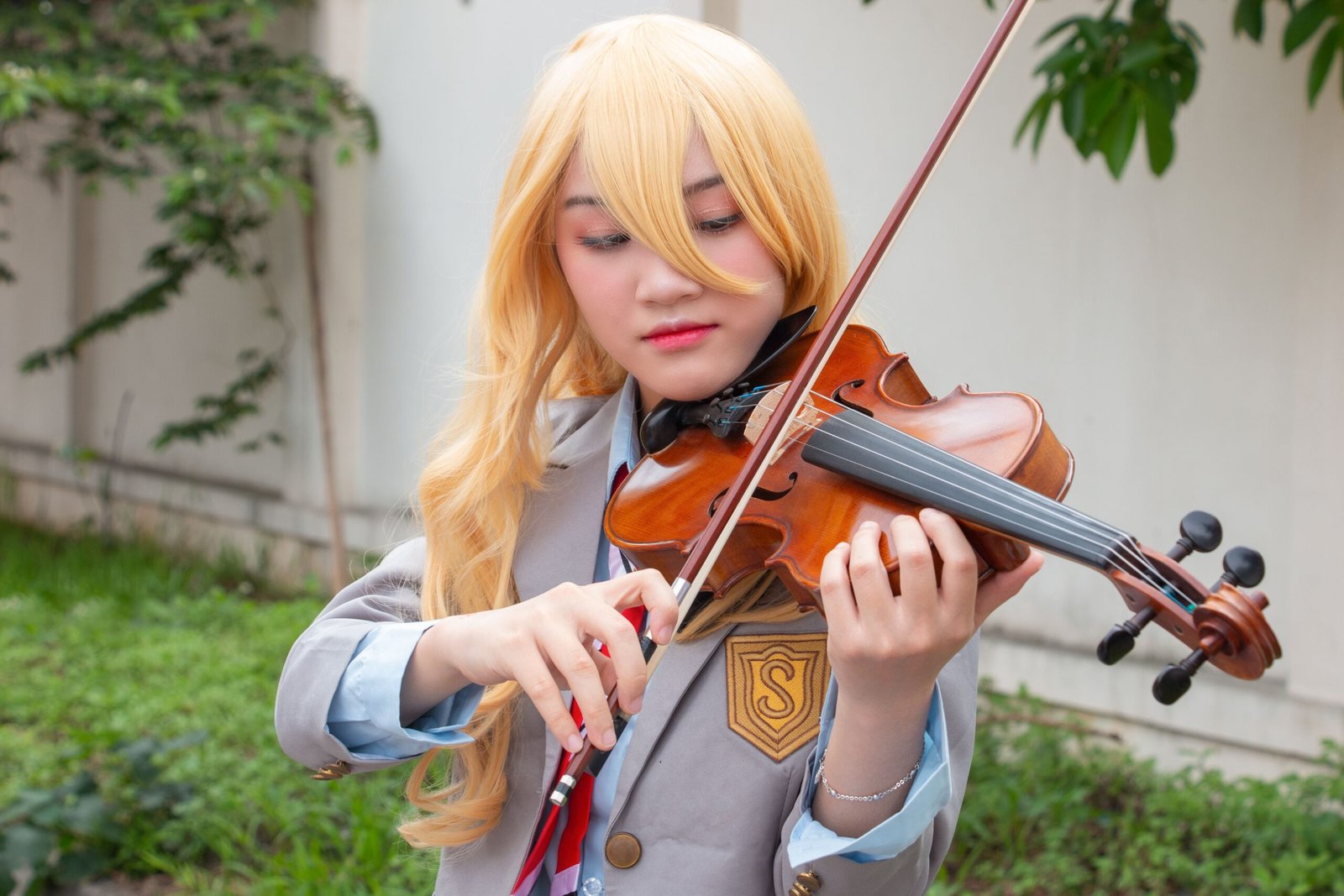
Takashi Morinozuka, better known to fans as Mori or Mori-senpai, is one of the most recognizable characters in Ouran High School Host Club. Unlike some of the louder and more theatrical members of the Host Club, Takashi Morinozuka stands out because of his quiet personality, impressive physical strength, loyalty, and ability to communicate more through actions than words. He is a third-year student at Ouran Academy and an important member of the Host Club, where his reserved nature gives him a very different presence from characters such as Tamaki Suoh, Kyoya Ootori, or the Hitachiin twins. His character combines an intimidating appearance with a surprisingly gentle and caring personality, making him one of the more memorable figures in the series.
The appeal of Takashi Morinozuka goes beyond his appearance and limited dialogue. His relationship with Mitsukuni “Honey” Haninozuka is central to understanding his character, while his skills in kendo and karate demonstrate that his physical strength is supported by serious discipline and training. The Morinozuka and Haninozuka families also have a long history that explains part of the bond between the two cousins. Although the old master-and-servant relationship between the families was broken after they became related through marriage, Mori continues to be deeply protective of Honey.
Who Is Takashi Morinozuka?
Takashi Morinozuka is a fictional character from Bisco Hatori’s Ouran High School Host Club, appearing in both the manga and its 2006 television anime adaptation. He is commonly called Mori, while “Mori-senpai” is another familiar name used by characters and fans. In the story, he is a third-year student at Ouran Academy and one of the members of the school’s famous Host Club. His Japanese name is written as 銛之塚崇, and his character is associated with the quiet, strong, and dependable side of the club.
Mori’s personality is intentionally understated. While other members of the Host Club may dominate conversations with humor, dramatic reactions, romantic gestures, or elaborate schemes, Takashi usually remains calm and observes what is happening around him. He often says very little, but his actions communicate his feelings clearly. This is particularly noticeable in his interactions with Honey, whom he watches over and supports throughout the story. His quiet nature does not mean that he lacks personality; instead, the series uses his reserved behavior as one of the defining elements of his character.
Takashi Morinozuka Appearance and Physical Characteristics
One of the first things viewers notice about Takashi Morinozuka is his remarkable height. Character references generally list him at 192 centimeters, or approximately 6 feet 4 inches, making him one of the tallest members of the Host Club. He has short black hair, gray or dark-gray eyes, and a strong athletic build. His physical appearance contributes to the intimidating first impression he can make, particularly when he stands silently beside the smaller Honey.
His appearance is deliberately contrasted with his personality. Someone encountering Mori for the first time might assume that he is aggressive or unfriendly because of his size, serious expression, and limited speech. However, the story repeatedly shows that this impression is incomplete. Mori is generally kind, dependable, and protective, and he frequently demonstrates concern for the people around him without seeking attention for himself. This contrast between appearance and behavior is one of the reasons the character fits so naturally into the exaggerated world of Ouran High School Host Club.
Takashi Morinozuka Personality
Takashi Morinozuka is best understood through his quiet personality. He does not need long speeches to communicate his intentions, and his straightforward approach often makes his reactions particularly memorable. The character is commonly described as the “strong and silent” type in discussions of the anime, while the manga uses the “wild” type as part of the Host Club’s characterization system. His silence is therefore not simply a lack of dialogue; it is an important part of the way the character is presented.
Beneath the stoic exterior is a character who is highly attentive to others. Mori is especially protective of Honey, but his concern is not limited to his cousin. He can also be supportive toward other members of the Host Club and people who need assistance. His personality provides an interesting counterbalance to Tamaki’s emotional theatricality and Kyoya’s analytical behavior. When Mori does speak, his short statements can have considerable impact because the audience has become accustomed to his restrained communication style.
Takashi Morinozuka and Honey Haninozuka
The relationship between Takashi Morinozuka and Mitsukuni “Honey” Haninozuka is one of the most important aspects of Mori’s character. The two are cousins and extremely close companions, and Mori is frequently shown looking after Honey. Their contrasting personalities create one of the most recognizable visual and comedic pairings in Ouran High School Host Club: Mori is exceptionally tall, serious, and physically imposing, while Honey is much smaller, cheerful, playful, and fond of sweets.
Their relationship also has a historical foundation. The Morinozuka family had traditionally protected and served the Haninozuka family for generations. A marriage between the families eventually changed that relationship, ending the old master-and-servant structure, yet Mori’s sense of loyalty toward Honey remained strong. The story presents his devotion as a personal bond rather than simply an obligation inherited from the past. This distinction helps explain why Mori continues to protect and support Honey even though the original social arrangement between their families no longer exists.
Takashi Morinozuka and the Ouran Host Club
As a member of the Ouran Host Club, Takashi provides a different kind of appeal from the other hosts. The club is built around different personality archetypes, allowing each member to attract guests with a particular style. Mori’s quiet and powerful presence gives him a strong contrast with the energetic Tamaki, strategic Kyoya, playful twins Hikaru and Kaoru, and childlike Honey. His appeal is based largely on his reserved behavior, imposing appearance, and the sense that his actions carry more meaning because he does not constantly explain himself.
Mori also contributes to the group by providing physical strength and a calm presence during chaotic situations. While Ouran High School Host Club frequently uses exaggerated comedy, Mori’s character can function as a stabilizing force within the group. His serious expression and willingness to act when necessary make him particularly effective in scenes where other characters become overly emotional or distracted. At the same time, the series occasionally reveals humorous sides of Mori, preventing him from becoming a one-dimensional “silent strongman” character.
Takashi Morinozuka’s Kendo Skills
Kendo is an important part of Takashi Morinozuka’s character. He is portrayed as exceptionally skilled in the martial art and is described as a national-level champion. His expertise helps establish that his physical ability is not simply the result of his large build. Instead, Mori possesses training, discipline, technique, and experience that make him a formidable martial artist.
His skill with kendo also connects naturally with the character’s overall personality. Kendo requires concentration, control, timing, and discipline, qualities that fit Mori’s calm and measured nature. Although the series is primarily a romantic comedy rather than a martial-arts story, his ability gives the character another dimension and provides opportunities for action-oriented scenes. His martial-arts background is therefore both a character trait and a source of comedy and drama within the series.
Takashi Morinozuka and Karate
In addition to kendo, Takashi Morinozuka is associated with karate. His proficiency in martial arts reinforces the image of Mori as one of the physically strongest members of the cast. His abilities also help explain why other characters may look to him when a situation becomes physically challenging or potentially dangerous.
The combination of kendo and karate makes Mori’s athletic identity particularly distinctive. However, his martial-arts abilities are not presented as his entire personality. The series balances his strength with his kindness, loyalty, and surprisingly gentle interactions, creating a character whose physical power is often used in service of protecting or helping others rather than simply demonstrating dominance.
Takashi Morinozuka’s Age and School Life
Mori is a third-year student at Ouran Academy. Character references give slightly different age information depending on whether they are discussing the anime or manga continuity; one commonly cited profile lists him as 17 in the anime and 18 in the manga. His birthday is May 5, and his height is generally listed as 192 centimeters.
At Ouran Academy, Mori is part of the elite social environment that defines much of the series. His membership in the Host Club places him alongside students from wealthy and influential families, but his character is less interested in social performance than some of his friends. His calm personality allows him to participate in the club’s activities without needing to dominate the room. This makes him particularly interesting because he is clearly an important member of the group even when he is standing quietly in the background.
Takashi Morinozuka’s Relationship With Other Characters
Although Mori’s closest relationship is with Honey, his interactions with other members of the Host Club also reveal important elements of his personality. With Tamaki, Mori often serves as a quieter counterpoint to the club president’s dramatic personality. With Kyoya, his relationship reflects a different form of mutual understanding, since both can recognize situations without needing extensive conversation. His interactions with Haruhi also show his protective and considerate side, while his occasional involvement with the other hosts demonstrates that he is more socially connected than his silence might suggest.
One interesting aspect of Mori’s characterization is that he can become noticeably different under certain circumstances. Some character references note that when he is tired, he can become unusually talkative and even playful or flirtatious. This provides a humorous contrast to his normal behavior and reinforces the idea that the “silent” image is a personality pattern rather than an absolute limitation.
Why Takashi Morinozuka Is Popular With Fans
Takashi Morinozuka has remained popular because his character combines several traits that work especially well within a comedy-romance series. He is physically imposing but gentle, quiet but observant, serious but capable of participating in comedy, and highly skilled without constantly seeking recognition. These contrasts make him easy to recognize and give fans several different aspects of his personality to appreciate.
Another reason Mori stands out is his loyalty. In a series filled with exaggerated romantic situations and comedic misunderstandings, his consistent willingness to protect and support people around him provides emotional stability. His relationship with Honey is especially important because it shows that his quietness does not mean emotional distance. Instead, Mori frequently communicates affection through practical actions rather than elaborate declarations.
Takashi Morinozuka in the Anime and Manga
Takashi Morinozuka appears in both the original Ouran High School Host Club manga and the 2006 anime adaptation. His Japanese voice in the anime is provided by Daisuke Kirii, while Travis Willingham voices the character in English.
The anime introduces viewers to Mori’s quiet personality early in the series and uses him throughout many of the Host Club’s adventures. Because the television adaptation covers only part of the original manga’s story, readers who want more information about the characters and their later development can find additional material in the manga. The character also appears in later Ouran High School Host Club stage adaptations, demonstrating that Mori remains part of the franchise’s broader legacy.
Interesting Facts About Takashi Morinozuka
There are several details that make Takashi Morinozuka more interesting than his quiet demeanor might initially suggest. His birthday is May 5, he is approximately 192 centimeters tall, and he is associated with both kendo and karate. He is also described as having interests that extend beyond martial arts, including model robot kits, while the manga gives him amusing interactions with animals. These details help show that Mori has interests and emotional qualities beyond his role as Honey’s protector.
Another memorable characteristic is his relationship with Honey. Mori is notably the only Host Club member who regularly calls Honey by his first name, Mitsukuni, reflecting the closeness of their relationship. His willingness to quietly support Honey becomes one of the most consistent themes surrounding his character. These small details are important because they demonstrate how Ouran High School Host Club builds personality through repeated character behavior rather than relying only on exposition.
Takashi Morinozuka’s Importance to Ouran High School Host Club
Takashi Morinozuka may not be the loudest character in Ouran High School Host Club, but his role is significant. His presence adds physical strength, emotional stability, comedy, and a distinctive personality type to the Host Club. Without Mori, the group would lose one of its strongest contrasts between outward appearance and inner personality.
His character also contributes to one of the central themes of the series: people are often more complicated than the first impression they create. Mori may appear intimidating because of his height, serious expression, and silence, yet the story repeatedly reveals his kindness and loyalty. That contrast is part of what makes him memorable and explains why fans continue to search for information about Takashi Morinozuka years after the original anime aired.
Conclusion
Takashi Morinozuka, or Mori-senpai, is one of the distinctive members of Ouran High School Host Club. As a third-year Ouran Academy student and Host Club member, he is known for his extraordinary height, quiet personality, martial-arts abilities, and strong sense of loyalty. His relationship with Honey Haninozuka is especially important, reflecting both the historical connection between their families and the genuine personal bond that exists between the two cousins.
What makes Takashi Morinozuka memorable is the contrast between his appearance and character. He may look intimidating and speak very little, but his actions consistently reveal a caring and dependable personality. His kendo skills, protective nature, calm temperament, and understated humor give him a unique place within the Ouran Host Club. For readers and viewers exploring Ouran High School Host Club, understanding Mori provides a deeper appreciation of the balance of personalities that makes the series so distinctive.
Frequently Asked Questions About Takashi Morinozuka
Who is Takashi Morinozuka?
Takashi Morinozuka is a fictional character from Ouran High School Host Club. He is a third-year student at Ouran Academy and a member of the Ouran Host Club. He is commonly called Mori or Mori-senpai.
What is Takashi Morinozuka’s nickname?
His most common nickname is Mori, and he is also frequently called Mori-senpai. His surname is Morinozuka, while his given name is Takashi.
How tall is Takashi Morinozuka?
Takashi Morinozuka is generally listed as 192 centimeters, or about 6 feet 4 inches tall. His exceptional height is one of his most recognizable physical characteristics.
How old is Takashi Morinozuka?
His age depends on the version being referenced. Character references commonly list him as 17 in the anime and 18 in the manga. He is a third-year student at Ouran Academy.
Is Takashi Morinozuka related to Honey?
Yes. Takashi Morinozuka and Mitsukuni “Honey” Haninozuka are cousins. Their families have a long historical connection, and Mori remains exceptionally protective of Honey.
Is Takashi Morinozuka good at kendo?
Yes. Mori is portrayed as an exceptionally skilled kendo practitioner and is described as a national champion. He is also skilled in karate.
What type of character is Mori in the Host Club?
Mori is generally associated with the strong and silent type in the anime. His appeal comes from his quiet demeanor, imposing appearance, strength, and understated kindness.
Who voices Takashi Morinozuka in the anime?
Daisuke Kirii provides Takashi Morinozuka’s Japanese voice in the 2006 anime, while Travis Willingham voices him in the English dub.
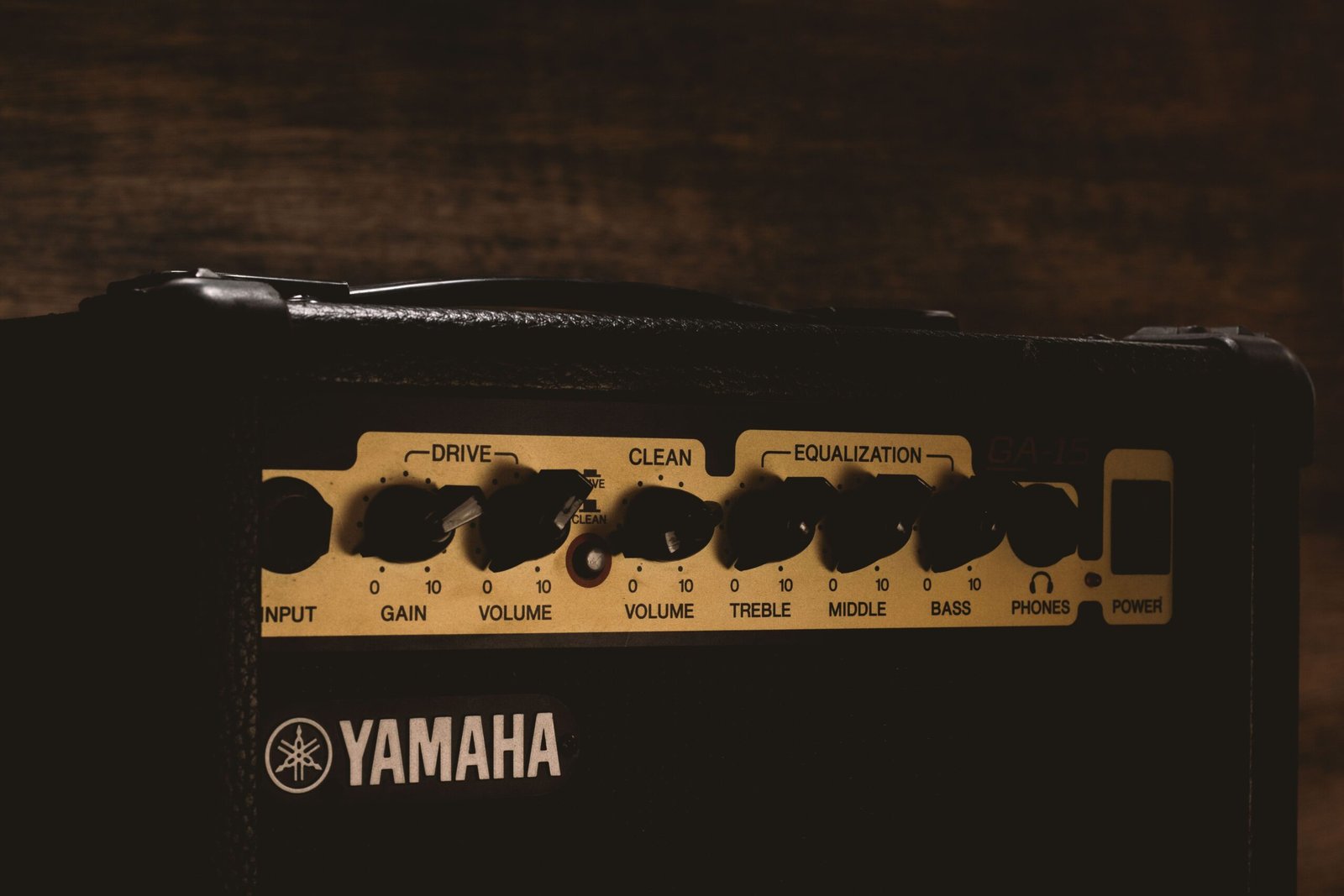
The Yamaha TW200 is a motorcycle that stands out from the crowd because of its distinctive appearance, unusually wide tires, compact design, and approachable riding position. While many dual-sport motorcycles focus on high performance, aggressive styling, and demanding off-road adventures, the TW200 takes a different approach by prioritizing accessibility, versatility, and enjoyable everyday riding. Its relatively small engine, low seat height, and simple mechanical design make it an appealing option for riders who want to explore back roads, travel through town, and enjoy recreational trail riding without purchasing a large or complicated motorcycle. Whether someone is considering their first motorcycle or looking for a practical second bike for weekend adventures, the Yamaha TW200 offers a combination of characteristics that makes it worth understanding before making a purchase.
One of the most interesting aspects of the Yamaha TW200 is that its appeal extends beyond engine performance. Its fat tires, upright riding position, and manageable dimensions give it a personality that is different from many conventional street motorcycles and lightweight dirt bikes. Yamaha describes the motorcycle as a dual-sport machine designed for both road and trail use, with a 196cc air-cooled engine, electric starting, and a five-speed transmission. These features make the TW200 an interesting choice for riders who value simplicity and practical usability rather than maximum speed. In this comprehensive Yamaha TW200 review, we will explore its specifications, engine characteristics, comfort, off-road performance, advantages, disadvantages, ownership considerations, and the important factors buyers should evaluate before purchasing one.
3. What Is the Yamaha TW200?
The Yamaha TW200 is a lightweight dual-purpose motorcycle designed to combine everyday road usability with recreational off-road capability. Its name is closely associated with its unusual tire design, which gives the motorcycle a broad, rugged appearance that immediately distinguishes it from other bikes in its class. The TW200 is particularly recognizable because of its extra-wide rear tire and relatively compact frame, creating a motorcycle that looks ready for adventure without having the tall, intimidating proportions of some larger adventure motorcycles. This design makes it attractive to riders who want a straightforward motorcycle for exploring rural roads, riding around town, and accessing suitable trails. Instead of trying to compete with powerful motocross or high-performance adventure bikes, the Yamaha TW200 focuses on delivering an accessible and enjoyable riding experience.
The TW200 is also known for its relatively simple engineering and long-running model identity. Yamaha’s official specifications describe a four-stroke, air-cooled, single-cylinder engine with a five-speed manual transmission, while the manufacturer’s feature information highlights the electric starter, low seat height, and wide tires. These characteristics help explain why the motorcycle remains appealing to different types of riders, including beginners, casual commuters, campers, and people who want a recreational bike that is not overly complicated. Its dual-purpose design does not mean it is equally suited to every riding environment, however. The TW200 is best understood as a modestly powered, versatile motorcycle for everyday travel and relaxed exploration rather than a machine intended for sustained high-speed highway riding or extreme off-road competition.
4. Yamaha TW200 Specifications
Understanding the Yamaha TW200 specifications is important because the motorcycle’s relatively small engine, low seat, wide tires, and compact dimensions all influence how it performs in real-world conditions. Specifications can also help prospective buyers compare the TW200 with other dual-sport motorcycles and determine whether its size and design are suitable for their experience level, riding environment, and intended use.
The following figures are from Yamaha’s published US-market 2027 specifications. Model-year specifications and equipment may differ by country, so buyers should confirm the details for the exact motorcycle they are considering.
Yamaha TW200 at a glance
Manufacturer-published specifications
Engine displacement
196 cc
Wet weight
278 lb
Seat height
31.1 in
Fuel capacity
1.8 gal
| Engine type | Air-cooled, SOHC, four-stroke single |
| Valves | 2 |
| Transmission | Five-speed manual |
| Fuel delivery | Mikuni 28mm carburetor |
| Front tire | 130/80-18 |
| Rear tire | 180/80-14 |
| Front suspension travel | 6.3 in |
| Rear suspension travel | 5.9 in |
| Front brake | 220mm disc |
| Rear brake | 110mm drum |
| Ground clearance | 10.4 in |
| Wheelbase | 52.2 in |
| Estimated fuel economy | 78 mpg |
Source: Yamaha Motor USA. Fuel economy is a manufacturer estimate, not a guaranteed real-world result.
These specifications reveal the motorcycle’s practical strengths. The relatively low seat height can help riders feel more comfortable when stopping, while the modest displacement and five-speed gearbox suit relaxed riding and gradual skill development. The wide tires are one of the defining features of the TW200, and the suspension travel provides some ability to absorb uneven surfaces. At the same time, the small fuel tank and limited engine displacement are important considerations for riders planning long-distance journeys or frequent high-speed travel. Specifications alone cannot determine whether a motorcycle is right for a particular person, but they provide a useful starting point for understanding the Yamaha TW200’s intended role.
5. Yamaha TW200 Engine and Performance
The Yamaha TW200 uses a 196cc air-cooled, four-stroke, single-cylinder engine designed to deliver practical low- and mid-range power rather than high-revving performance. This type of engine is well suited to riders who prefer predictable acceleration and manageable power delivery, particularly when traveling through town or exploring moderate trails. Yamaha highlights the engine’s strong pulling character at lower and middle engine speeds, making it appropriate for recreational off-road exploration. The engine is paired with a five-speed manual transmission, allowing riders to select an appropriate gear for changing road conditions, slopes, and trail surfaces. Its counterbalanced design also helps reduce engine vibration, contributing to a more comfortable experience during ordinary riding.
In everyday use, the TW200’s engine should be evaluated according to the type of riding it is designed to support. It is not intended to deliver the acceleration of a larger street motorcycle or the performance of a competition-focused dirt bike. Instead, its strengths are associated with manageable power, relatively simple operation, and the ability to travel at moderate speeds on suitable roads and trails. Riders who are learning to use a manual clutch may appreciate the opportunity to develop smooth throttle control and gear selection without immediately dealing with a large, powerful engine. However, riders should remember that a smaller engine still requires proper judgment, safe speed selection, and an understanding of traffic conditions. The TW200’s modest power output is an advantage for some riding situations, but it can become a limitation when traveling at higher speeds or carrying additional weight.
How fast does the Yamaha TW200 go?
The Yamaha TW200 is not designed primarily for top-speed performance, and its official specifications do not provide a guaranteed maximum speed. Actual speed can vary depending on rider weight, wind, elevation, motorcycle condition, maintenance, and other factors. A rider who wants a motorcycle for relaxed local travel may find its performance suitable, while someone who frequently rides on fast highways may prefer a motorcycle with greater engine capacity and more power in reserve. Rather than choosing a motorcycle based only on its maximum speed, buyers should consider whether its normal operating range is appropriate for the roads they use most often.
6. Yamaha TW200 Tires and Off-Road Capability
The Yamaha TW200’s wide tires are among its most recognizable features and play a major role in its riding character. Yamaha lists a 130/80-18 front tire and a 180/80-14 rear tire on the US-market model, giving the motorcycle a distinctive profile compared with many conventional dual-sport bikes. These tires are designed to provide useful traction and rider comfort across a range of surfaces, including suitable gravel roads and moderate off-road terrain. Their broad appearance contributes to the TW200’s unique styling, but their practical importance is even greater: tire design affects how a motorcycle responds to loose ground, uneven surfaces, and changes in traction. For riders who enjoy exploring rural routes or recreational trails, this distinctive tire setup is one of the reasons the TW200 attracts attention.
However, wide tires do not make a motorcycle unstoppable, and the TW200 should not be treated as a replacement for a specialized off-road competition bike. Traction depends on the surface, tire condition, tread pattern, tire pressure, rider technique, and the motorcycle’s overall setup. Deep mud, steep rocky climbs, loose sand, and difficult technical trails can challenge the TW200, particularly when compared with lighter, more specialized dirt bikes. Riders should choose routes that match their ability and the motorcycle’s capabilities, inspect trail conditions before setting out, and avoid assuming that a fat tire automatically provides superior grip in every situation. The most rewarding use of the TW200 is often relaxed exploration on manageable terrain, where its approachable character and distinctive tires can be enjoyed without pushing the motorcycle beyond its intended role.
Is the Yamaha TW200 good for trail riding?
The Yamaha TW200 can be a good choice for recreational trail riding, especially for people who want to explore relatively easy routes, gravel paths, and moderate dirt tracks. Its wide tires, low seat, and manageable power delivery can make it appealing to riders who prefer a relaxed pace rather than aggressive off-road competition. Yamaha specifically identifies its tires and low seat height as features that support its dual-purpose character. Nevertheless, riders should evaluate the difficulty of their intended trails before buying. Those who regularly encounter demanding technical terrain, large obstacles, or steep and challenging climbs may be better served by a motorcycle designed specifically for more intensive off-road riding.
7. Yamaha TW200 Comfort and Riding Position
Comfort is one of the important reasons riders consider the Yamaha TW200. Its relatively low seat height, compact chassis, and upright riding position can make it feel less intimidating than taller motorcycles, particularly for people who are new to riding or who prefer a motorcycle that is easier to manage at low speeds. Yamaha lists a seat height of 31.1 inches for the US-market model, a figure that can help prospective buyers compare it with other motorcycles. A lower seat can make it easier for some riders to place a foot on the ground when stopping, although actual comfort depends on leg length, inseam, footwear, seat shape, and suspension sag. Riders should sit on the motorcycle before purchasing it rather than assuming that the published seat height guarantees a comfortable fit.
The TW200’s comfort also depends on how it is used. Its upright posture can be suitable for casual local rides and recreational exploration, while the relatively simple seat and modest engine may be less appealing for riders who regularly spend many hours traveling at highway speeds. Yamaha notes that the motorcycle has a counterbalanced engine and a long saddle designed to support rider comfort and movement. Even so, comfort is subjective, and the experience of a shorter rider may differ considerably from that of a taller rider. Before committing to a purchase, prospective owners should assess the handlebar reach, footpeg position, seat support, and how easily they can balance the motorcycle when stationary. A test ride on suitable roads can reveal far more about comfort than specifications alone.
8. Is the Yamaha TW200 Good for Beginners?
The Yamaha TW200 can be an appealing beginner motorcycle because it combines a relatively small engine, a low seat, electric starting, and a design intended for both road and trail use. These features can help make the motorcycle approachable for someone who is developing basic riding skills. Yamaha itself highlights the low seat height and compact chassis as characteristics that can inspire confidence in riders. Beginners may appreciate having a motorcycle that is not exceptionally tall or powerful, especially when practicing starts, stops, slow turns, and smooth clutch control. Its dual-purpose character can also give new riders an opportunity to experience different types of riding after they have developed the necessary skills.
Nevertheless, no motorcycle is automatically safe or suitable for every beginner. The TW200 still requires proper training, protective equipment, responsible decision-making, and a clear understanding of local licensing and road rules. A new rider should practice in a controlled environment before entering busy traffic or attempting off-road trails. It is also important to consider the motorcycle’s weight, because even a manageable bike can be difficult to lift or control if it tips over. Riders who are particularly interested in highway travel should carefully evaluate whether the TW200’s modest engine performance meets their needs. For many beginners, the best motorcycle is not necessarily the most powerful or most technologically advanced one, but the one that fits their body, experience, intended use, and ability to ride responsibly.
9. Yamaha TW200 Fuel Economy and Practicality
Fuel economy is another factor that makes the Yamaha TW200 worth considering for everyday use. Yamaha’s published US specifications list an estimated fuel economy of 78 miles per gallon and a fuel capacity of 1.8 US gallons. These figures suggest that the motorcycle is designed to operate economically under suitable conditions, although real-world fuel consumption will vary. Riding speed, terrain, tire pressure, maintenance, rider weight, and the condition of the engine can all influence how much fuel the motorcycle uses. The manufacturer’s estimate should therefore be treated as a reference point rather than a promise of the exact distance every owner will achieve on a tank of fuel.
The TW200’s practicality depends on more than fuel economy alone. Its compact dimensions and dual-purpose design can make it useful for local errands, short commutes, recreational rides, and exploring routes that are not suited to every street motorcycle. However, its fuel tank is relatively small, so riders planning long journeys should consider refueling opportunities and leave a reasonable reserve. It is also important to remember that fuel capacity and estimated economy do not establish a guaranteed riding range. A rider traveling on hilly terrain or at higher speeds may experience different results from someone riding slowly on flat roads. For everyday use, the TW200 can offer a practical balance of manageable size and modest fuel consumption, provided its performance and range suit the owner’s actual travel requirements.
10. Yamaha TW200 Price and Buying Considerations
The price of a Yamaha TW200 depends on the model year, country, dealer, motorcycle condition, and whether the bike is new or used. As a current US-market reference, Yamaha’s official 2026 and 2027 model pages list a starting manufacturer’s suggested retail price of $4,999, before applicable destination charges, taxes, registration, and dealer fees. This figure should not be assumed to apply in other countries, where import duties, exchange rates, local taxes, and dealer pricing can significantly affect the final cost. Buyers should check the official Yamaha website for their market and obtain a written, itemized quotation from an authorized dealer before making a financial decision.
For anyone considering a used Yamaha TW200, the purchase price should be evaluated alongside the motorcycle’s condition and maintenance history. A lower asking price may not represent good value if the bike needs substantial repairs, replacement tires, brake work, or other maintenance. Prospective buyers should inspect the engine for leaks, listen for unusual noises, check that the transmission shifts correctly, examine the tires for wear and damage, and verify that the brakes and electrical equipment work properly. It is also sensible to review the service records and confirm that the motorcycle’s identification and ownership documents are consistent with local requirements. A careful inspection, ideally by a qualified motorcycle mechanic, can help reduce the risk of unexpected repair costs and make it easier to compare different used examples.
11. Yamaha TW200 Pros and Cons
Every motorcycle involves trade-offs, and the Yamaha TW200 is no exception. Its strengths are most apparent when it is used for the type of riding it was designed to support. Riders who want an approachable motorcycle for casual adventures may appreciate its simplicity, manageable power, and distinctive design. On the other hand, people who prioritize high-speed performance, demanding off-road capability, or long-distance touring may find that another motorcycle better matches their needs.
Advantages
- Relatively low 31.1-inch seat height, which can suit riders who prefer a lower motorcycle.
- Distinctive wide tires designed for traction and comfort across varied terrain.
- Manageable 196cc engine with useful low- and mid-range power.
- Electric starting for convenient everyday operation.
- Five-speed manual transmission and a straightforward dual-purpose design.
- Versatility for suitable paved roads, gravel routes, and recreational trail riding.
Disadvantages
- Limited engine displacement compared with larger motorcycles, especially for sustained fast highway travel.
- Wide tires and the motorcycle’s design are not ideal for every demanding off-road situation.
- Small fuel tank requires planning for longer journeys.
- Relatively basic equipment compared with many modern motorcycles.
- Seat comfort and ergonomics may not suit every body type or long-distance riding style.
- Local purchase price and parts availability can vary considerably by market.
12. Yamaha TW200 Maintenance and Ownership
Regular maintenance is essential to keeping a Yamaha TW200 dependable, whether it is used for commuting, weekend adventures, or occasional trail riding. Like any motorcycle, it requires routine checks of engine oil, tires, brakes, chain condition, and other important components. The air-cooled engine also makes it important to follow the manufacturer’s guidance regarding oil specifications, service intervals, and operating conditions. Yamaha highlights the automatic cam-chain tensioner and low-maintenance engine design among the motorcycle’s features, but these characteristics do not eliminate the need for proper servicing. Owners should consult the correct owner’s manual for their model year and market, since maintenance requirements can differ between versions.
Yamaha TW200 maintenance checklist
A practical checklist for routine ownership. Follow the owner’s manual for exact service intervals and specifications.
0 of 7 completed
Owners who ride on dusty trails, through muddy conditions, or in particularly hot environments should pay close attention to the motorcycle’s condition and follow any additional maintenance guidance applicable to those conditions. A motorcycle used mainly for short trips may also need different attention from one that is ridden regularly over long distances. Keeping a record of oil changes, inspections, replacement parts, and repairs can make ownership more organized and help a future buyer understand how the motorcycle has been cared for. Before undertaking mechanical work, owners should use the correct service information and seek qualified assistance when a repair is beyond their experience.
13. Yamaha TW200 vs. Other Dual-Sport Motorcycles
Comparing the Yamaha TW200 with other dual-sport motorcycles can help buyers determine whether its particular strengths are more important than the advantages offered by a different model. The TW200 is best known for its wide tires, approachable seat height, and modest engine, while other dual-sport motorcycles may prioritize greater power, different suspension characteristics, or a more conventional tire setup. Yamaha’s US model range includes the and as other models worth investigating when comparing motorcycle types.
The most useful comparison is not simply which motorcycle has the largest engine or the lowest price. Instead, buyers should consider how each model fits their riding environment, body size, experience, and budget. Someone who mainly travels around town and enjoys relaxed gravel-road adventures may value the TW200’s approachable design. A rider who expects to spend substantial time on faster roads or tackle more demanding off-road terrain should compare the available alternatives carefully, paying attention to performance, weight, suspension, braking, and ergonomics. Specifications, local availability, test rides, and total ownership costs should all be considered before making a final choice.
14. Who Should Buy the Yamaha TW200?
The Yamaha TW200 is worth considering for riders who want a relatively simple, approachable dual-purpose motorcycle rather than a high-performance machine. It may be particularly appealing to beginners who want to develop their riding skills, experienced riders who enjoy casual trail exploration, and motorcycle owners looking for a compact bike for local trips. Its distinctive appearance also makes it attractive to people who appreciate motorcycles with a recognizable identity and a practical, uncomplicated design. Yamaha’s own description emphasizes its adaptability for different riders and its combination of a low seat, wide tires, and smooth riding character.
The motorcycle may be less suitable for people who regularly travel at high highway speeds, require substantial power for carrying loads, or expect to ride difficult technical trails. Riders who are very tall should also check the ergonomics carefully, while anyone planning to carry a passenger should consider comfort and performance with the additional weight. The best purchase decision comes from matching the motorcycle to the rider’s real needs instead of choosing it solely because of its reputation or appearance. A suitable test ride, a review of the specifications, and a realistic assessment of local road and trail conditions can help determine whether the TW200 is the right fit.
15. Yamaha TW200 Buying Guide: What to Check Before You Purchase
Buying a motorcycle is a significant decision, and prospective Yamaha TW200 owners should evaluate more than the advertised price. For a new motorcycle, confirm the model year, included equipment, warranty conditions, dealer fees, and final on-road cost. For a used example, pay attention to the motorcycle’s service history, overall condition, and evidence of previous damage or neglected maintenance. A bike that has been used extensively off-road may have experienced conditions different from one used mainly for local commuting, so buyers should inspect it accordingly. If the motorcycle has modifications, ask which parts were changed, whether the original parts are available, and whether the modifications were installed correctly.
Before completing a purchase, buyers should also check local licensing, registration, insurance, and roadworthiness requirements. These rules vary by country and jurisdiction, and a motorcycle that is suitable for road use in one market may require different equipment or documentation elsewhere. It is sensible to arrange a test ride where legally permitted and safe, and to have a qualified mechanic inspect a used motorcycle if there is any uncertainty about its condition. Taking time to evaluate these details can help buyers avoid unexpected expenses and select a Yamaha TW200 that fits their riding goals and budget.
16. Frequently Asked Questions About the Yamaha TW200
1. What engine size does the Yamaha TW200 have?
The Yamaha TW200 has a 196cc, air-cooled, four-stroke, single-cylinder engine. It is designed to provide practical low- and mid-range power for everyday riding and recreational off-road exploration.
2. What is the seat height of the Yamaha TW200?
The US-market 2027 Yamaha TW200 has a published seat height of 31.1 inches. This relatively low seat can be helpful for riders who prefer to place a foot on the ground comfortably when stopping, although individual fit depends on body proportions and suspension setup.
3. Is the Yamaha TW200 a good motorcycle for beginners?
It can be a good option for beginners who want a manageable dual-purpose motorcycle. Its relatively small engine, low seat, and electric starter can make it approachable, but new riders should still receive proper training and use suitable protective equipment.
4. Is the Yamaha TW200 good for off-road riding?
The TW200 is suitable for recreational riding on appropriate gravel roads, dirt paths, and moderate trails. Its wide tires and approachable design are appealing for casual exploration, but demanding technical terrain may be better suited to a specialized off-road motorcycle.
5. Does the Yamaha TW200 have electric start?
Yes. Yamaha lists electric starting as a feature of the TW200, providing convenient push-button starting for everyday use.
6. What is the fuel capacity of the Yamaha TW200?
The US-market 2027 model has a published fuel capacity of 1.8 US gallons. Yamaha also lists an estimated fuel economy of 78 mpg, but actual consumption and riding range vary with conditions.
7. Is the Yamaha TW200 suitable for highway riding?
The TW200 can be used on suitable roads where it is legal, but its modest engine is not ideal for every highway environment. Riders should consider traffic speeds, road conditions, and whether the motorcycle has sufficient performance for their intended journeys.
8. What makes the Yamaha TW200 different from other dual-sport motorcycles?
Its most recognizable features are the unusually wide tires, low seat height, compact design, and modest air-cooled engine. Together, these characteristics give it a distinctive appearance and a riding experience focused on accessibility and relaxed exploration.
9. How much does a Yamaha TW200 cost?
Price depends on the model year, location, and whether the motorcycle is new or used. Yamaha’s US-market 2026 and 2027 listings show a starting MSRP of $4,999, before applicable destination charges, taxes, registration, and dealer fees. Buyers should check local pricing for an accurate quotation.
10. Is the Yamaha TW200 worth buying?
The Yamaha TW200 can be worth buying for riders who prioritize approachable handling, recreational trail riding, and everyday versatility. It may be less suitable for those who need high-speed highway performance or specialized off-road capability. The right choice depends on the rider’s experience, budget, and intended use.
Conclusion
The Yamaha TW200 remains an appealing dual-purpose motorcycle because it offers a distinctive combination of wide tires, a relatively low seat, a manageable engine, and a practical design. Rather than focusing on maximum speed or competition-level performance, it is built around the idea of enjoyable, accessible riding across suitable roads and trails. Its characteristics can make it an interesting choice for beginners, casual commuters, experienced riders who enjoy relaxed adventures, and motorcycle enthusiasts who appreciate its unusual styling. Understanding its specifications, comfort, fuel economy, maintenance requirements, and performance limitations is essential to deciding whether it is the right motorcycle for a particular rider.
Ultimately, the Yamaha TW200 is most rewarding when its strengths match the owner’s expectations. Riders looking for a straightforward motorcycle for local travel and recreational exploration may find plenty to appreciate, while those who require greater power or more specialized off-road performance should compare alternatives before purchasing. By researching the correct model year, checking local pricing, inspecting the motorcycle carefully, and taking a suitable test ride, buyers can make a more informed decision. A well-chosen motorcycle should fit the rider’s needs, provide confidence, and encourage safe and enjoyable riding, and the Yamaha TW200 offers a distinctive option for people who value those qualities.

Takashi Morinozuka: Biography, Personality, Skills, and Role in Ouran High School Host Club

Yamaha TW200 Review: Specs, Performance, Pros and Cons, and Buying Guide

How to Adjust Door Hinges: A Complete Step-by-Step Guide

Charlie Rogers-Ciaffa: The Quiet Rise of a Hollywood Legacy Who Chose His Own Diamond

The Entrepreneur’s Operating System: Why Charfen.co.uk is Redefining Business Growth for UK Founders

Droven.io: The AI Knowledge Hub Reshaping How Professionals Understand Technology in 2026
 Entertainment3 months ago
Charlie Rogers-Ciaffa: The Quiet Rise of a Hollywood Legacy Who Chose His Own Diamond
- Tech3 months ago
The Entrepreneur’s Operating System: Why Charfen.co.uk is Redefining Business Growth for UK Founders
- Tech3 months ago
Droven.io: The AI Knowledge Hub Reshaping How Professionals Understand Technology in 2026
- Fashion2 months ago
The Ultimate Guide to Brick Patterns: Timeless Designs for Walkways, Patios, and Walls
- Tech3 months ago
Readmymanga com: The Comprehensive Guide to Features, Safety, and Legal Alternatives in 2026
- Fashion3 months ago
The Blazertje: Your Ultimate Guide to the Modern “Little Blazer” Taking Over Fashion
- Lifestyle3 months ago
Otelia Cox: The Quiet Strength Behind Hollywood’s Tony Cox
- Tech3 months ago
Voomixi com: The Ultimate Guide to This Digital Platform (Review, Features & User Experience)