
Fashion
The Blazertje: Your Ultimate Guide to the Modern “Little Blazer” Taking Over Fashion



Luxury yachting is more than sailing across beautiful waters—it is a lifestyle defined by elegance, sophistication, and refined etiquette. One of the most common questions among first-time guests is: What is yacht formal dress code? In 2026, the answer blends timeless maritime traditions with modern fashion trends, creating a style that is polished without feeling overly rigid.
Whether you’re attending a luxury yacht party, superyacht gala, sunset dinner cruise, corporate yacht event, or an exclusive yacht wedding, understanding yacht formal attire ensures you look appropriate, comfortable, and stylish from the moment you step aboard.
This complete guide explains everything you need to know about yacht formal fashion in 2026, including outfit ideas, etiquette, accessories, colors, common mistakes, and styling tips for both men and women.
The Meaning and History of Yacht Formal Attire
The concept of yacht formal attire dates back to prestigious yacht clubs in Monaco, Newport, Saint-Tropez, and the French Riviera during the early 1900s. Members of these elite clubs followed strict dress standards that reflected both respect for maritime traditions and luxury living.
Unlike traditional black-tie fashion, yacht formal was designed specifically for life on the water. Clothing needed to be:
- Elegant
- Breathable
- Comfortable
- Wind-resistant
- Suitable for moving around on deck
- Photogenic against the sea
Today, in 2026, yacht formal has evolved by incorporating:
- Sustainable luxury fabrics
- Modern designer tailoring
- Lightweight performance textiles
- Quiet luxury aesthetics
- Minimalist elegance
The dress code is generally requested for:
- Luxury yacht dinners
- Captain’s dinners
- Marina galas
- Private yacht celebrations
- Corporate networking cruises
- Formal sunset events
- Exclusive yacht weddings
It sits comfortably between yacht cocktail attire and black tie, offering the perfect balance of elegance and relaxed coastal sophistication.
Yacht Formal Dress Code for Women: Sophisticated Elegance on the Water
Women’s yacht formal fashion focuses on graceful movement, luxurious fabrics, and effortless glamour. Since yacht decks are constantly moving, comfort is just as important as appearance.
Best Outfit Choices
Long Evening Dresses
A flowing floor-length gown remains the gold standard. Popular colors for 2026 include:
- Navy blue
- Champagne
- Emerald green
- Ivory
- Soft gold
- White (except wedding guests)
Choose lightweight silhouettes that move naturally in the sea breeze rather than bulky ballroom gowns.
Elegant Midi Dresses
Silk or satin midi dresses provide a refined option for formal yacht dinners while remaining practical for walking around the vessel.
Luxury Jumpsuits
One of the biggest fashion trends of 2026 is the tailored jumpsuit. Wide-leg silk or crepe jumpsuits with halter necklines, draped backs, or elegant waistlines offer modern sophistication.
Best Fabrics
Choose premium materials like:
- Silk
- Satin
- Chiffon
- Crepe
- Linen blends
- High-end technical fabrics
Avoid:
- Heavy velvet
- Thick wool
- Casual cotton
- Bulky materials that wrinkle easily
Yacht Footwear Rules
One of the most important yacht etiquette rules concerns shoes.
Never wear:
- Stiletto heels
- Heavy platform shoes
- Dark rubber soles
Instead choose:
- Block heels
- Low wedges
- Luxury flat sandals
- Designer deck shoes
- White-soled shoes
- Barefoot sandals
Many luxury superyachts also follow a “no shoes on deck” policy to protect expensive teak flooring.
Yacht Formal Dress Code for Men: The Modern Captain’s Look
Men often underestimate yacht formal attire. While it appears relaxed, it actually requires careful tailoring and attention to detail.
The Perfect Yacht Formal Outfit
Tailored Blazer
The blazer forms the foundation of every yacht formal look.
Trending colors in 2026 include:
- Navy blue
- Off-white
- Cream
- Light beige
- Stone grey
Double-breasted blazers remain particularly fashionable.
Trousers
Ideal options include:
- Crisp white trousers
- Tailored navy dress pants
- Cream chinos
- Linen trousers
Well-pressed clothing is essential.
Dress Shirt
Classic choices include:
- White dress shirts
- Light blue Oxford shirts
- Spread collar shirts
- Premium cotton shirts
The shirt should always be tucked in for a polished appearance.
Shoes
Recommended footwear:
- Leather loafers
- Suede drivers
- Premium boat shoes
- Brown leather loafers
- White-soled luxury deck shoes
Avoid:
- Sneakers
- Flip-flops
- Sandals
- Athletic footwear
Finishing Accessories
Complete the look with:
- Silk pocket square
- Luxury wristwatch
- Matching leather belt
- Optional bow tie
- Elegant cufflinks
For captain’s dinners, a lightweight suit is perfectly acceptable, although a blazer with tailored trousers remains the authentic yacht style.
Essential Accessories, Colors, and Fabrics for Yacht Formal in 2026
The biggest yacht fashion trend in 2026 is quiet luxury, emphasizing quality over flashy branding.
Trending Yacht Formal Colors
The official yacht-inspired color palette includes:
- Navy blue
- Pure white
- Cream
- Beige
- Champagne
- Seafoam green
- Soft gold
- Burgundy
- Light grey
These shades photograph beautifully during golden-hour sunsets while complementing the marine environment.
Avoid:
- Neon colors
- Oversized logos
- Busy patterns
- Extremely bright prints
Accessories for Women
Must-have additions include:
- Pearl earrings
- Silk scarves
- Designer clutch bags
- Oversized sunglasses
- Straw hats
- Delicate gold jewelry
Accessories for Men
Recommended accessories include:
- Aviator sunglasses
- Leather belts
- Luxury watches
- Pocket squares
- Lightweight scarves
A captain’s hat should only be worn by the vessel’s owner or captain.
Best Fabrics
Luxury yacht clothing performs best when made from:
- Egyptian cotton
- Premium linen
- Silk
- Technical performance blends
- High-quality crepe
Wrinkle-resistant fabrics are especially useful for travel and long events.
Common Yacht Formal Dress Code Mistakes to Avoid
Even experienced travelers occasionally make wardrobe mistakes aboard luxury yachts.
Wearing Dark-Soled Shoes
Dark soles leave marks on expensive teak decks. Always choose non-marking white or light-colored soles.
Dressing Like a Red Carpet Event
Avoid:
- Heavy tuxedos
- Massive ball gowns
- Excessive sequins
- Oversized jewelry
Luxury yachting celebrates understated elegance.
Arriving Too Casual
Do not wear:
- Jeans
- Shorts
- Athletic clothing
- Graphic T-shirts
- Oversized logos
- Flip-flops
These choices appear disrespectful during formal yacht events.
Ignoring Weather Conditions
Sea breezes become surprisingly cool after sunset.
Bring:
- Cashmere shawl
- Pashmina
- Linen blazer
- Lightweight overcoat
Wearing Strong Perfume
Enclosed yacht cabins amplify fragrances.
Choose light, fresh scents instead of overpowering perfumes.
Yacht Formal Style for Different Events
Different yacht occasions require subtle adjustments.
Yacht Party
Women may choose elegant backless maxi dresses or chic jumpsuits.
Men can skip the tie and wear an open-collar shirt beneath a tailored blazer.
Formal Dinner Cruise
More traditional styling works best.
Women should select classic evening gowns.
Men should wear ties or bow ties with pocket squares.
Yacht Wedding
Guests should avoid wearing white if attending someone else’s wedding.
Recommended colors include:
- Soft pink
- Lavender
- Emerald
- Navy
- Champagne
- Dusty blue
Men should wear light-colored suits paired with polished loafers.
Corporate Yacht Event
Professionalism comes first.
Stick to:
- Navy
- White
- Beige
- Grey
Choose modest, tailored clothing suitable for networking with executives and clients.
Final Yacht Formal Checklist for 2026
Before boarding a luxury yacht, review this checklist:
- Read the invitation carefully for terms like yacht formal, nautical formal, maritime elegant, or captain’s dinner.
- Choose breathable, wrinkle-resistant fabrics suitable for warm weather and sea breezes.
- Wear non-marking shoes that protect the yacht deck.
- Prepare for wind by avoiding extremely short skirts or unsecured hairstyles.
- Steam or iron your clothing before arriving.
- Keep accessories elegant and minimal.
- Practice excellent grooming, including clean nails, polished hair, and subtle makeup.
- Respect yacht etiquette, crew members, and onboard rules.
- Carry yourself with confidence, because true luxury comes from both appearance and attitude.
Conclusion
The yacht formal dress code in 2026 perfectly combines luxury, comfort, and timeless nautical elegance. It is designed to help guests look refined while remaining practical in a unique maritime setting. From flowing evening dresses and tailored blazers to premium fabrics, understated accessories, and proper deck-friendly footwear, every detail contributes to a polished appearance.
Whether you’re attending a superyacht gala, luxury marina event, formal dinner cruise, private yacht wedding, or corporate networking reception, following these yacht formal guidelines will help you make a lasting impression. By investing in quality tailoring, classic colors, breathable materials, and respectful yacht etiquette, you’ll embody the sophisticated spirit of modern luxury yachting and step aboard with complete confidence in 2026.
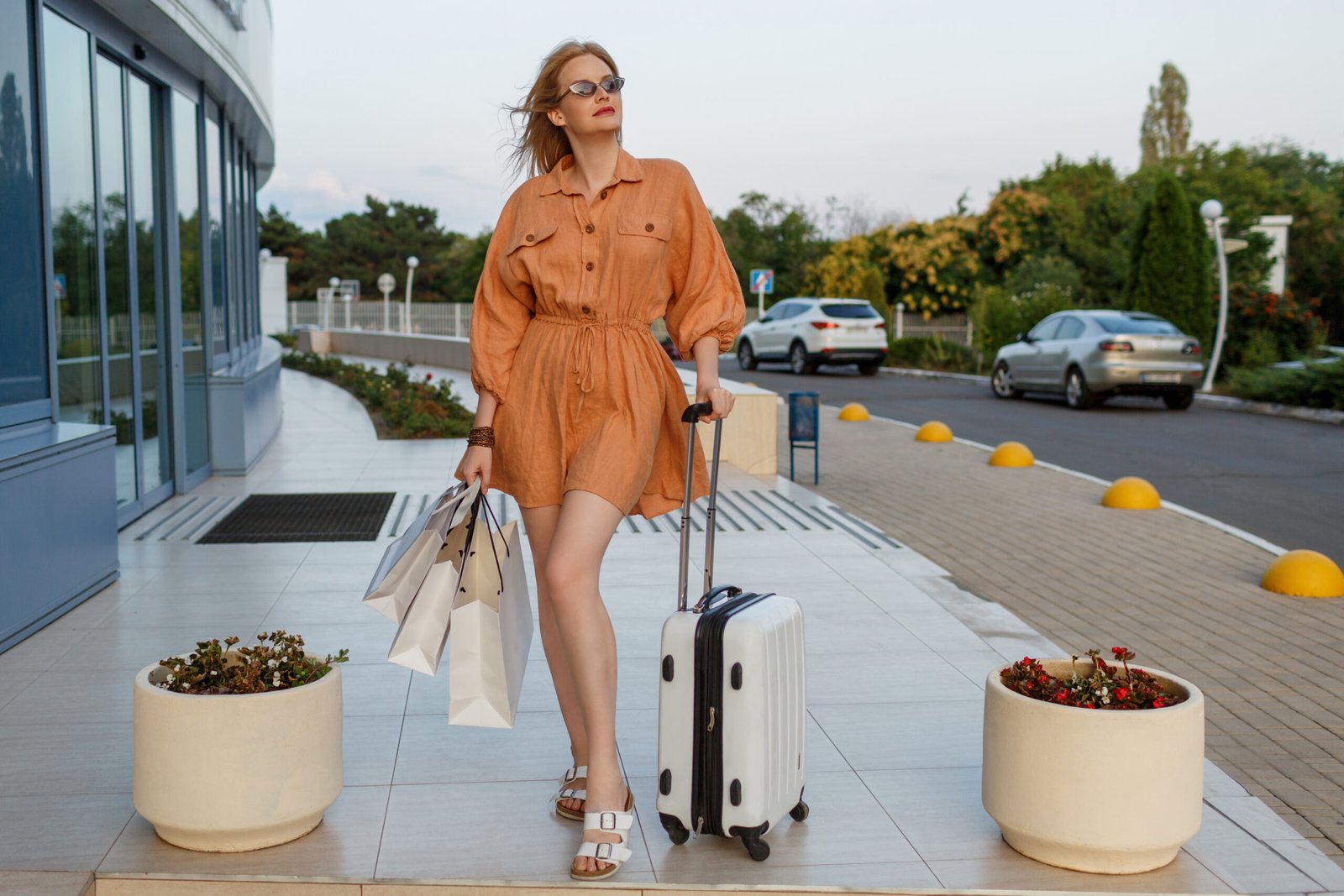
Travel has become smarter than ever, and so has airport fashion. Finding the perfect airport outfit in 2026 is no longer just about wearing comfortable clothes. Today’s travelers want outfits that combine style, practicality, comfort, and versatility while making airport security, long-haul flights, and changing climates easier to manage.
Whether you’re a frequent flyer, a business traveler, or planning your first vacation, the right airport outfit can completely transform your journey. From breathable fabrics and smart layering to trendy accessories and footwear, this comprehensive guide covers everything you need to know to travel confidently in 2026.
What Makes the Perfect Airport Outfit in 2026?
A great airport outfit follows three essential principles: comfort, style, and functionality.
Modern airports require travelers to walk long distances, wait in security lines, sit for extended periods, and adapt to varying temperatures. Your clothing should support every part of the journey.
The best airport outfits are made from breathable fabrics such as:
- Cotton
- Modal
- Bamboo fabric
- Soft jersey blends
These materials help regulate body temperature, reduce sweating, and remain comfortable throughout long flights.
Stretch fabrics are equally important because they allow unrestricted movement while sitting, walking, or carrying luggage.
In 2026, travelers also prefer:
- Wrinkle-resistant clothing
- Minimalist designs
- Neutral color palettes
- Soft silhouettes
- Security-friendly outfits
Avoid bulky belts, excessive jewelry, or boots that are difficult to remove during airport screening.
Most importantly, your outfit should transition easily from the airplane to your destination without requiring an immediate wardrobe change.
Top Airport Outfit Trends for 2026
Airport fashion continues to evolve, and 2026’s biggest trend is elevated comfort. Travelers are embracing Quiet Luxury and Athleisure 2.0, focusing on premium basics rather than flashy logos.
Matching Co-Ord Sets
Matching knit or lounge co-ord sets remain one of the year’s most popular airport looks.
Popular colors include:
- Beige
- Mocha
- Grey
- Olive Green
- Cream
These outfits provide a polished appearance while remaining exceptionally comfortable.
Wide-Leg Trousers
Wide-leg pants paired with fitted tops have replaced restrictive skinny jeans for many travelers.
Benefits include:
- Better airflow
- Greater flexibility
- Modern appearance
- Superior comfort
Oversized Layers
Soft shackets, oversized blazers, and lightweight jackets add sophistication without sacrificing comfort.
Tailored Cargo Pants
Cargo pants have returned with cleaner cuts and softer fabrics, providing practical storage for essentials like:
- Passport
- Boarding pass
- Smartphone
- Wallet
Earth tones, charcoal black, creamy whites, and pastel shades dominate airport fashion in 2026 because they’re timeless, versatile, and effortlessly stylish.
Best Airport Outfit Ideas for Women
Women can easily create airport outfits that are both fashionable and practical.
1. The Effortless Co-Ord Look
One of the most popular airport styles includes:
- Ribbed knit co-ord set
- Wide-leg pants
- Long-sleeve matching top
- White sneakers
- Leather tote bag
- Lightweight trench coat
This look is elegant enough for social media while remaining ideal for long flights.
2. Leggings with Long Layers
Pair:
- High-waisted black leggings
- Oversized white T-shirt
- Long cardigan or oversized blazer
- Chunky sneakers
- Crossbody bag
This combination offers flexibility and hands-free convenience throughout your journey.
3. Comfortable Denim Style
For travelers who prefer jeans, choose:
- Stretch straight-leg denim
- Soft cotton blouse
- Cashmere wrap
- Comfortable white sneakers
This outfit works especially well for autumn and winter travel.
Pro Travel Tip
Always carry a large scarf or pashmina.
It can serve as:
- Blanket
- Pillow
- Shawl
- Fashion accessory
- Extra warmth during flights
Best Airport Outfit Ideas for Men
Men’s airport fashion in 2026 emphasizes minimalism, smart casual styling, and comfort.
1. Modern Athleisure
Combine:
- Black tapered joggers
- Premium crew-neck T-shirt
- Zip hoodie or overshirt
- Minimalist sneakers
- Travel backpack
Perfect for long flights while maintaining a polished appearance.
2. Smart Business Traveler
Business travelers often choose:
- Stretch chino pants
- Polo shirt or Henley
- Unstructured blazer
- Leather sneakers
This outfit looks professional immediately after landing.
3. Layered Everyday Essential
Another excellent option includes:
- Dark stretch jeans
- Breathable cotton T-shirt
- Lightweight puffer jacket
- Baseball cap
- Slip-on sneakers
Slip-on footwear speeds up airport security while maximizing comfort.
Remember: fit always matters more than expensive brand logos.
How to Layer Your Airport Outfit Like a Pro
Experienced travelers understand that layering is the secret to comfortable travel.
Airports, airplanes, and destinations often have completely different temperatures.
A practical layering system consists of:
Base Layer
Choose breathable, moisture-wicking clothing such as:
- Cotton T-shirt
- Tank top
- Lightweight long sleeve
Middle Layer
This is your style layer.
Popular choices include:
- Hoodie
- Sweater
- Overshirt
- Knit cardigan
Outer Layer
Finish with:
- Lightweight blazer
- Soft jacket
- Packable puffer
- Trench coat
Avoid oversized heavy coats that become difficult to carry.
Many travelers now invest in 3-in-1 travel jackets featuring hidden compartments for passports, boarding passes, phones, and travel documents.
Loose-fitting layers also help maintain healthy blood circulation during long-haul flights.
Airport Outfit Mistakes You Must Avoid
Even stylish travelers can make mistakes that negatively impact their travel experience.
Complicated Clothing
Avoid:
- Jumpsuits with back zippers
- Large belt buckles
- Lace-up boots
- Multiple accessories
These slow down airport security checks.
Heavy Fabrics
Stay away from:
- Thick denim
- Leather pants
- Heavy wool clothing
These materials become uncomfortable during extended sitting.
Too Much Jewelry
Metal jewelry frequently triggers airport scanners.
Keep accessories simple.
Strong Perfume
Airplane cabins are enclosed spaces, making strong fragrances uncomfortable for fellow passengers.
Tight Clothing
Restrictive clothing reduces comfort and may affect circulation during long flights.
Brand-New Shoes
Never wear shoes for the first time while traveling.
Comfortable, broken-in footwear prevents painful blisters and sore feet.
Essential Shoes and Accessories for Your Airport Outfit
Accessories complete your airport look while making travel significantly easier.
Best Shoes
Top footwear choices include:
- White sneakers
- Slip-on knit sneakers
- Loafers
- Ballet flats
- Comfortable walking shoes
Compression socks are highly recommended for long international flights because they help reduce swelling and improve circulation.
Best Bags
An ideal airport bag should feature:
- Multiple compartments
- Laptop sleeve
- Passport pocket
- Water bottle holder
- Under-seat compatibility
Popular choices include:
- Stylish backpacks
- Large tote bags
- Convertible travel bags
Must-Have Travel Accessories
Complete your airport outfit with:
- Noise-canceling headphones
- Sleep mask
- Blue-light glasses
- Reusable water bottle
- Travel wallet
- Portable charger
- Neck pillow
- Lip balm
- Hand sanitizer
Sustainable travel accessories made from recycled materials continue to grow in popularity throughout 2026, offering eco-friendly style without compromising quality.
Final Thoughts
Your airport outfit is far more than just clothing—it’s an essential part of your travel experience. In 2026, the best-dressed travelers prioritize comfort, functionality, smart layering, and timeless style over flashy fashion trends.
Invest in high-quality basics, breathable fabrics, wrinkle-resistant materials, and versatile layers that adapt to changing temperatures. Choose comfortable shoes, organize your essentials with practical accessories, and keep airport security in mind when planning your look.
Whether you’re flying for business, a family vacation, or an international adventure, the right airport outfit will help you travel smarter, stay comfortable, and look effortlessly stylish from takeoff to landing. By following these expert tips and embracing the latest airport fashion trends, you’ll be ready for every journey with confidence and ease.
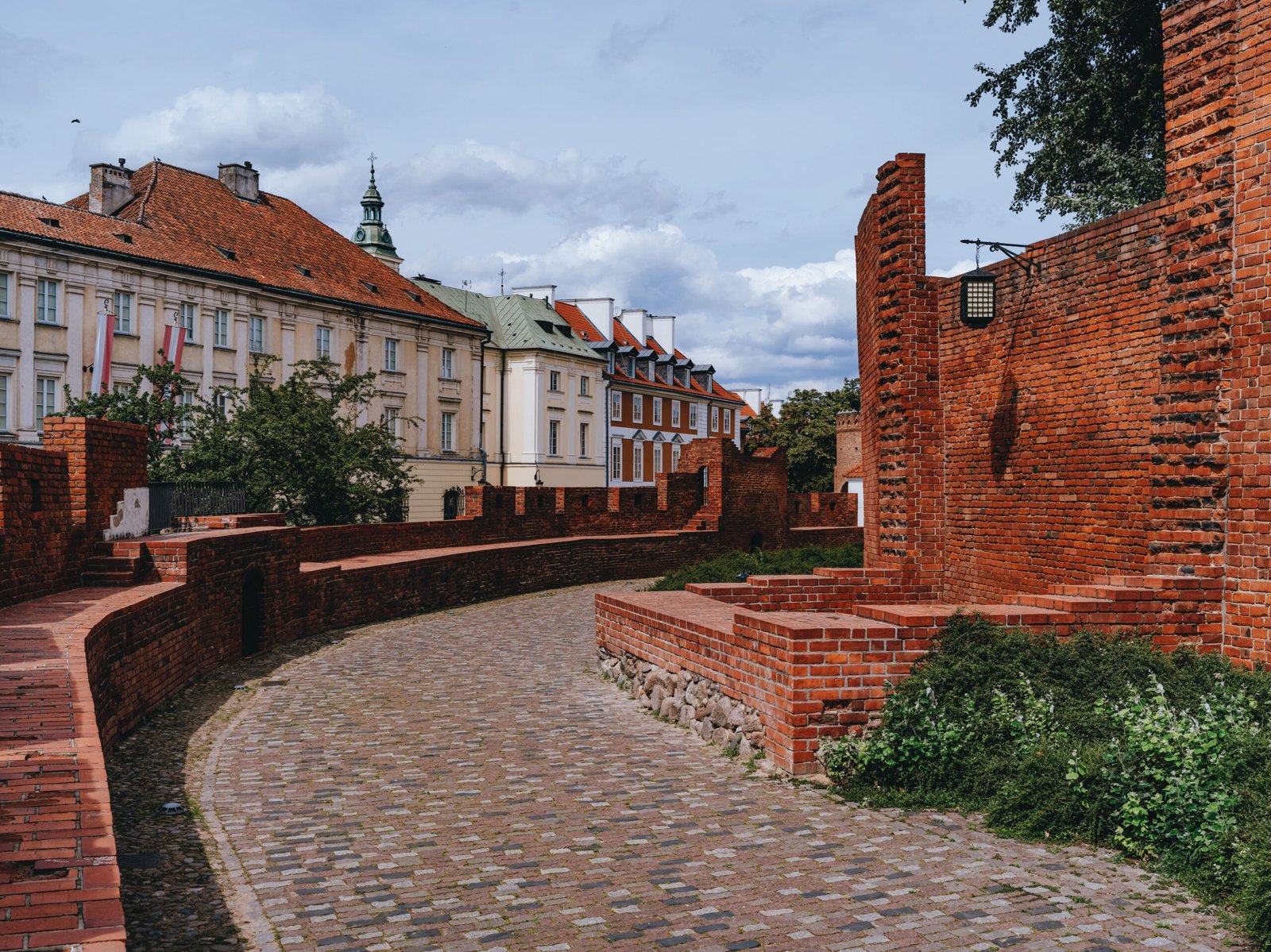
Timeless Designs for Walkways, Patios, and Walls
Brick has been a cornerstone of architectural design for millennia, with some of the earliest known brick structures dating back as far as 7,000 BC. This ancient material continues to captivate homeowners, architects, and designers with its timeless charm, remarkable durability, and surprising versatility. But beyond the brick itself lies a world of design possibilities dictated by how these modular units are arranged. This is the art and science of brick patterns, also known as brick bonds.
The pattern you choose for your brick pathway, patio, or wall is far more than a decorative afterthought. It is a fundamental design decision that influences the project’s structural integrity, cost, aesthetic appeal, and even how it guides the eye through a landscape. A single brick may be humble, but when laid in a carefully considered pattern, it can create a surface of breathtaking beauty and enduring strength. From the simplicity of a running bond to the intricate dance of a herringbone, understanding these patterns is the first step toward creating a truly remarkable space. In this comprehensive guide, we will explore the most popular brick patterns, offering insights into their history, applications, and the practical considerations that will help you choose the perfect design for your next project.
Understanding the Fundamentals of Brick Patterns
Before diving into specific patterns, it’s helpful to understand a few key terms. In masonry, a “course” is a single horizontal row of bricks. The “bond” refers to the specific pattern in which bricks are laid to achieve a cohesive structure and aesthetic. While historically, patterns were crucial for a wall’s structural integrity, the modern reality is that most brickwork serves as a veneer or a paving surface. This shift means that homeowners have unprecedented freedom to choose a pattern based almost entirely on its visual appeal, rather than purely on its load-bearing capacity. Today, as This Old House mason Mark McCullough notes, “This day and age, everything is a veneer. So there’s really no structural element to the brickwork anymore”. This liberates designers to explore patterns that were once considered purely decorative.
Despite this, some patterns remain stronger than others. For instance, the interlocking nature of a herringbone pattern provides exceptional strength and stability for driveways and high-traffic walkways, while the continuous vertical and horizontal joints of a stack bond make it weaker and better suited for accent walls or supported surfaces. A successful brick project balances the desired look with its functional requirements.
Popular Brick Patterns for Walkways and Patios
When it comes to horizontal surfaces, a few patterns have risen to the top for their aesthetic beauty and proven performance.
The Classic Running Bond
The running bond is arguably the most common and recognizable brick pattern. It is created by laying bricks in courses, with the joints of each course staggered. The most standard version offsets each brick by half its length, so that the vertical joint in one course falls over the center of the brick below it. The result is a simple, elegant, and clean design.
The running bond’s popularity is not accidental. Its major advantage lies in its simplicity and efficiency. Installation is straightforward, which helps keep labor costs down. Furthermore, as landscape contractor Roger Cook points out, “You have a few cuts where you begin and a few cuts where you end…10 feet long or 40 feet long, those are the only cuts you have to make”. This near-elimination of cuts for long, straight runs reduces material waste and time, making it very cost-effective. The pattern is also exceptionally versatile, capable of bending to accommodate curves in a path and complementing everything from a rustic cottage to a modern minimalist home. It is a structurally sound, durable option that performs well under foot traffic. For a variation, the bricks can be laid diagonally to add an element of whimsy and movement.
The Woven Charm of Basketweave
The basketweave pattern creates a rich, textured surface that adds immediate visual interest to a patio or walkway. This pattern is built from a simple, repeating module: two bricks laid side-by-side in one direction, followed by two bricks laid side-by-side in the perpendicular direction. When laid in sequence, it creates a striking checkerboard or woven effect that gives the pattern its name.
Mark McCullough describes it as a classic: “one of the oldest patterns that we’ve had in Boston” and simplifies its layout: “All it is is two bricks going in one direction and then two bricks going in the other direction”. The basketweave pattern evokes a sense of old-world charm and is often associated with classic English gardens. While it appears complex, it can be a fairly beginner-friendly pattern to lay when installed straight. A potential pitfall, however, is a mismatch in brick dimensions. A standard brick is not always exactly twice as long as it is wide. As Roger Cook cautions, two widths can fall “almost 3/4 of an inch short” of the length, meaning you either have visible gaps or must cut bricks to compensate. The pattern is generally stronger and more durable when used for walkways versus walls. For a unique twist, the pattern can be laid on a diagonal to create a diamond effect.
The Dynamic Zigzag of Herringbone
Herringbone is a pattern defined by its dynamic zigzag formation, created by laying bricks at 45- or 90-degree angles to each other. The bricks are typically laid on their 2-inch edge, creating an interlocking “V” shape that is both visually arresting and incredibly strong. Its use as a strong pavement dates back to the ancient Romans. Herringbone is frequently cited as the strongest of all brick patterns, making it the ideal choice for driveways and heavily trafficked walkways. Its energetic, lively pattern adds a focal point and a sense of movement to any hardscape. However, this beauty and strength come at a cost. Herringbone is not for the faint of heart, as precision is absolutely essential from the very first brick. As one expert warns, “This is the pattern that even the pros mess up,” explaining that veering off course by even a fraction of an inch will disrupt the entire design. It requires significantly more cutting, especially on the edges, making it more expensive and time-consuming to install. It can be laid in a 90-degree “stair-step” pattern for less visual drama or a 45-degree pattern that powerfully points toward a destination.
The Modern Simplicity of Stack Bond
The stack bond, also known as jack-on-jack, represents the pinnacle of simplicity and modern aesthetic. In this pattern, bricks are laid perfectly side-by-side and end-to-end, with all vertical and horizontal joints aligned. This creates a clean, crisp, grid-like appearance.
This pattern is a hallmark of modern and contemporary design, offering a “no-fuss look with precise lines”. It can be laid with virtually no brick cutting if the project dimensions are carefully planned to work with the brick size, potentially reducing costs. However, because the bricks do not overlap in any way, it is the weakest pattern for paving and is not recommended for driveways or areas with heavy loads unless it is part of a mortared installation on a solid base. The stack bond also requires great care to keep all the lines perfectly straight, which can be deceptively difficult for novices to achieve. This pattern is highly effective when used as a soldier course—an edging of bricks laid standing up—to provide a crisp border for another pattern.
Classic Patterns for Walls
While walkway and patio patterns focus on horizontal surfaces, walls benefit from patterns that highlight verticality and architectural tradition.
The Strong and Formal English Bond
The English bond is one of the oldest and most structurally robust bonds. It consists of alternating courses of stretchers (bricks laid with their long side facing out) and headers (bricks laid with their short end facing out). This alternate layering creates a classic, formal appearance often seen in high-end and historic architecture. Its strength is legendary; because it has no straight vertical joints running through the wall, it is exceptionally strong and durable. The English bond is a top choice for solid, one-brick-thick walls and is commonly used in civil engineering projects like bridges and viaducts. However, it does require more material and careful planning to execute properly.
The Intricate and Elegant Flemish Bond
The Flemish bond is celebrated for its intricate and elegant appearance, offering a perfect balance of form and function. In this pattern, each course is composed of a repeating sequence of one header and one stretcher placed alternately. The next course is offset so that a header sits centered over a stretcher in the course below. This creates an almost diamond-like, woven pattern that is visually captivating and historically significant, having been introduced in the 17th century to enhance the beauty of buildings. The Flemish bond is often used for upscale projects and feature walls due to its sophisticated look. However, it requires a high level of skill and precision from the mason to maintain consistent joint widths and is more time-consuming and costly to install. A variant known as the garden wall bond simplifies this pattern by placing three or more stretchers between each header.
The Functional American (Common) Bond
The American bond, also known as the common bond, is a pattern rooted in practicality and historical context. It is essentially a running bond but with a header course inserted at regular intervals, usually after every fifth, sixth, or seventh course of stretchers. This design originated in early colonial America as a way to conserve bricks and create a structurally efficient wall with fewer materials. By using header courses to tie the wall together, builders could use less expensive brick to fill the interior while maintaining a strong, finished appearance. Today, the American bond continues to be a popular choice for garden and feature walls, valued for its functionality and interesting visual rhythm.
Beyond the Common: Advanced and Decorative Brick Patterns
For those who want to push the boundaries of design, a world of advanced and decorative patterns exists, offering the chance to create truly bespoke brickwork. The pinwheel is one such pattern, comprising four bricks arranged around a central square brick to create a swirling, propeller-like effect. The whorled pattern, also known as a circular brick pattern, is an exceptionally intricate design that involves laying bricks in concentric circles radiating from a central point. It’s typically created for a stunning focal point in a patio or around a fire pit but requires expert-level cutting and planning. These advanced patterns demonstrate that bricks are not just building blocks but design elements capable of immense creativity, though they are generally best left to professional masons.
Practical Considerations: Choosing the Right Pattern
Selecting the perfect brick pattern involves weighing several practical factors to ensure your project is both beautiful and built to last. The intended use of the space is paramount. High-traffic areas like driveways will benefit from the superior strength of a herringbone pattern, while a more delicate basketweave might be better suited for a quiet garden patio. Budget is another critical consideration. Intricate patterns like herringbone and Flemish bond require more materials, skilled labor, and extensive cutting, which significantly increases costs. Conversely, a running bond is highly economical. You must also consider the existing architecture of your home. A classic English bond might look at home on a Victorian-era house, while a clean stack bond could be the perfect complement to a modern, minimalist structure. Finally, think about maintenance. Some patterns may be more prone to weed growth or require specific cleaning approaches, while a well-laid and sealed pattern will ensure longevity and beauty for decades. Regular sweeping and occasional repointing are key to any brick structure’s health.
Conclusion: The Art of Laying a Timeless Foundation
The choice of a brick pattern is a profound design decision, one that marries the ancient craft of bricklaying with individual aesthetic expression. The simple modular nature of the brick, a unit unchanged for millennia, allows for an endless variety of arrangements, from the straightforward elegance of a running bond to the structural strength and dynamic energy of herringbone. Understanding the character of each pattern, from the woven charm of the basketweave to the clean lines of the stack bond and the historical gravitas of English and Flemish bonds, empowers you to transform a path, a patio, or a wall from a mere functional necessity into a work of art. By considering the practical factors of your project—its function, your budget, and your home’s style—you can confidently select a pattern that will not only look stunning but also provide enduring durability. Ultimately, the best brick pattern is the one that tells your story and creates a beautiful, lasting foundation for the life you live upon it.
Frequently Asked Questions (FAQ)
What is the strongest brick pattern for a driveway?
The herringbone pattern is generally considered the strongest brick pattern available. Its interlocking angular design creates a very stable surface that is capable of handling the weight of vehicles with minimal shifting. The running bond is also a strong, durable option but is typically recommended for walkways and patios rather than heavy vehicular traffic.
What is the easiest brick pattern to lay for a beginner?
The running bond is the most beginner-friendly brick pattern to lay. Its straightforward, staggered rows require minimal cutting, making it both cost-effective and forgiving for a DIY project. A straight stack bond, where rows are not staggered, is even simpler in concept, but it requires precise alignment to look good, which can be a challenge for a novice.
What is the difference between a brick “pattern” and a “bond”?
While often used interchangeably, a “bond” is the specific, technical term for the arrangement of bricks to create a unified structure, while “pattern” is a more general term referring to the overall visual design created by the brick layout. In practice, the terms are synonymous, with each bond creating a distinct visual pattern.
Which brick pattern is best for a modern-style home?
The stack bond is the quintessential choice for modern architecture. Its clean, gridded lines and minimalist appearance perfectly complement the sleek, uncluttered aesthetic of contemporary design. A running bond, with its clean lines and versatility, can also work well in modern settings, especially if laid with a single, neutral brick color.
How do I maintain my brick pattern?
Regular maintenance is key to a long-lasting brick surface. This includes sweeping away debris and dirt. Periodically, you should wash the surface with a mild detergent. To prevent damage from moisture, you may need to apply a sealant. Keep an eye out for weeds and remove them promptly. Finally, if you notice mortar joints crumbling, hire a professional to repoint them; mortar does not bond to old mortar, so the joints must be cleared to a depth of at least three-quarters of an inch before new mortar is applied.

Takashi Morinozuka: Biography, Personality, Skills, and Role in Ouran High School Host Club

Yamaha TW200 Review: Specs, Performance, Pros and Cons, and Buying Guide

How to Adjust Door Hinges: A Complete Step-by-Step Guide

Charlie Rogers-Ciaffa: The Quiet Rise of a Hollywood Legacy Who Chose His Own Diamond

The Entrepreneur’s Operating System: Why Charfen.co.uk is Redefining Business Growth for UK Founders

Droven.io: The AI Knowledge Hub Reshaping How Professionals Understand Technology in 2026
 Entertainment3 months ago
Charlie Rogers-Ciaffa: The Quiet Rise of a Hollywood Legacy Who Chose His Own Diamond
- Tech3 months ago
The Entrepreneur’s Operating System: Why Charfen.co.uk is Redefining Business Growth for UK Founders
- Tech3 months ago
Droven.io: The AI Knowledge Hub Reshaping How Professionals Understand Technology in 2026
- Tech3 months ago
Readmymanga com: The Comprehensive Guide to Features, Safety, and Legal Alternatives in 2026
- Fashion2 months ago
The Ultimate Guide to Brick Patterns: Timeless Designs for Walkways, Patios, and Walls
- Lifestyle3 months ago
Otelia Cox: The Quiet Strength Behind Hollywood’s Tony Cox
- Tech3 months ago
Voomixi com: The Ultimate Guide to This Digital Platform (Review, Features & User Experience)
- Tech3 months ago
The Ultimate Guide to Webinkey.com: Unlocking Digital Success and Web Solutions