
Food
Fior di Latte: Unveiling the “Flower of Milk” – A Comprehensive Guide

Introduction
In the vast and diverse world of Italian gastronomy, few ingredients embody the philosophy of simplicity and quality as profoundly as fior di latte. Translating literally to “flower of milk,” this term represents the purest expression of dairy, yet its meaning can often be a source of confusion. Is it a cheese? Is it a gelato flavor? As we explore the intricacies of this Italian staple, we will uncover why it has become the cornerstone of authentic Neapolitan pizza, the heart of the creamiest gelato, and a beloved fresh cheese in its own right. This article serves as a definitive guide to fior di latte, cutting through the nomenclature confusion to explain its characteristics, its culinary uses, and why it holds a special place in Italian food culture.
Understanding Fior di Latte: A Matter of Substance
The name fior di latte (often spelled fiordilatte) is a poetic Italian phrase that signifies the very best quality milk—the “cream of the crop” of dairy. In a culinary context, however, the term is most commonly used to distinguish a specific type of fresh, stretched-curd cheese known as pasta filata. Historically, in its homeland of Campania, the word “mozzarella” was traditionally reserved for cheese made from the rich milk of the Mediterranean water buffalo. This highly prized cheese is known as Mozzarella di Bufala Campana DOP and is celebrated for its complex, sweet, and tangy flavor . The name fior di latte, then, was given to the same cheese made using whole cow’s milk. While it shares the same production method, the use of cow’s milk results in a product with a notably different character .
This distinction is crucial. While in many parts of Italy and the United States, the term “mozzarella” has become a generic catch-all for fresh, semi-soft cheese, the debate around the name highlights the importance of the milk source. Fior di latte is not a different cheese; it is simply cow’s milk mozzarella, offering a milder, cleaner, and more neutral flavor profile compared to its buffalo counterpart . To solidify its identity, fior di latte received the European Union’s Traditional Speciality Guaranteed (TSG) certification in 1996, which protects its traditional production method but, unlike the DOP certification for buffalo mozzarella, does not strictly mandate the geographical origin of the milk .
The Character of Cow’s Milk: Texture and Flavor
The choice of milk is what truly defines fior di latte. Since cow’s milk has a lower fat content than buffalo milk, the resulting cheese is less rich, creamier, and features a firmer, more elastic texture . This firmness is a key factor in its widespread culinary use. Experts describe its flavor as clean, dairy-forward, and subtly buttery, making it an exceptionally approachable and versatile cheese . It is this mildness, combined with its superior structural integrity, that makes it the undisputed champion of the pizza oven.
Unlike Mozzarella di Bufala, which has a high moisture content that can release excess liquid during the intense heat of a pizza bake and make the crust soggy, fior di latte holds its shape beautifully . It melts into a perfect, stretchy, and decadent layer without compromising the structural integrity of the pizza base. It is for this reason that fior di latte is the gold standard for authentic Neapolitan pizza (Pizza Napoletana) and is even recommended by chefs for high-temperature ovens due to its ability to melt evenly and quickly .
Fior di Latte in the Kitchen: Beyond the Pizza
While its role on pizza is legendary, the versatility of fior di latte extends far beyond that. As a table cheese, it is a star of the classic Caprese salad, where its delicate flavor pairs harmoniously with ripe tomatoes, fresh basil, and a drizzle of extra-virgin olive oil. Its ability to melt beautifully makes it an excellent choice for baked pasta dishes like lasagna or stuffed shells, and it is the ideal filling for the classic Italian comfort food, mozzarella in carrozza (fried mozzarella sandwiches) . When melted, it provides a luxurious, creamy texture that enhances any dish without overwhelming other ingredients.
The Gelato Connection: The Purest Flavor
The concept of fior di latte finds a second, equally important expression in the world of Italian desserts: gelato al fior di latte. This gelato flavor is the epitome of simplicity, typically made from just milk, sugar, and cream—no eggs, no fruit, no chocolate, and no vanilla. It is a celebration of pure, unadulterated dairy . The result is a porcelain-hued, intensely milky, and incredibly luxurious frozen dessert. Its delicate flavor and exceptionally smooth texture are achieved by a higher milk-to-cream ratio, creating a product that is both rich and light, often described as possessing a buttery yet refreshing mouthfeel .
With a history tracing back to the Italian Renaissance, gelato al fior di latte is a staple in every traditional gelateria and is even seeing a resurgence in popularity abroad, often serving as an intriguing, purer alternative to vanilla . Its simplicity is its strength, as it relies entirely on the quality of its base ingredient, proving that sometimes, the most profound flavors come from the simplest combinations.
Market and Production: The Italian Favorite
The significance of fior di latte in Italy cannot be overstated. It is the country’s most produced cheese by volume, with production reaching 315,000 tonnes in 2024 . This figure dwarfs the approximately 55,000 tonnes of buffalo mozzarella produced annually, highlighting the massive role fior di latte plays in daily Italian life, from household kitchens to the food service industry and the international pizza market . This enormous production is driven by domestic demand and a growing export market, as its quality and versatility have made it a favorite worldwide. Consumer associations like Altroconsumo and food guides like Gambero Rosso regularly conduct extensive tastings to rank supermarket offerings, emphasizing the importance of quality and consistency in this beloved product .
Conclusion
In essence, fior di latte is a story of simplicity, quality, and tradition. Whether you are biting into a perfectly melted slice of Neapolitan pizza, savoring the creamy texture of a Caprese salad, or enjoying a scoop of the purest, most delicate gelato, you are experiencing the “flower of milk.” It represents an Italian culinary philosophy where the quality of a few simple ingredients is allowed to shine, creating dishes of profound satisfaction. It is a testament to the fact that sometimes the most versatile and beloved foods are those that are the most honest and pure. By understanding its origins, its differences, and its uses, we can fully appreciate the nuance and excellence of this pillar of Italian gastronomy.
Frequently Asked Questions (FAQ)
What is the literal translation of “fior di latte”?
Literally translated from Italian, “fior di latte” means “flower of milk.” It is a poetic term used to indicate the highest quality milk, the “cream of the crop,” or the most delicate part of the milk.
What is the main difference between fior di latte and mozzarella di bufala?
The main difference lies in the milk used. Fior di latte is made from whole cow’s milk, while mozzarella di bufala is made from the milk of the Mediterranean water buffalo. This results in fior di latte having a milder flavor and a firmer, more elastic texture, whereas buffalo mozzarella is richer, creamier, and more delicate .
Why is fior di latte better for pizza than buffalo mozzarella?
Fior di latte has a lower moisture content than buffalo mozzarella. When subjected to the high heat of a pizza oven, it melts beautifully into a stretchy layer without releasing excess liquid that can make the pizza crust soggy. This makes it the preferred cheese for authentic Neapolitan pizza .
What is gelato al fior di latte?
Gelato al fior di latte is a classic Italian gelato flavor made with milk, sugar, and sometimes cream, but no other flavorings like vanilla, chocolate, or fruit. It is known for its pure, milky flavor and incredibly smooth, luxurious texture .
What does fior di latte taste like?
Fior di latte has a clean, delicate, and dairy-forward flavor. It is described as mildly sweet and subtly buttery. Its taste is much more neutral and approachable than the richer and tangier flavor of buffalo mozzarella .
Can I use fior di latte in cooking?
Yes, fior di latte is exceptionally versatile. It is excellent for melting on pizza, in baked pasta dishes like lasagna, or for frying. It is also a key ingredient in salads like Caprese, where its mild flavor complements fresh produce .
Is fior di latte the same as regular mozzarella found in U.S. supermarkets?
In the United States, what is commonly sold as “fresh mozzarella” is usually fior di latte, as it is made from cow’s milk. True mozzarella di bufala is typically labeled and sold separately as a premium product due to its specific origin and ingredients .
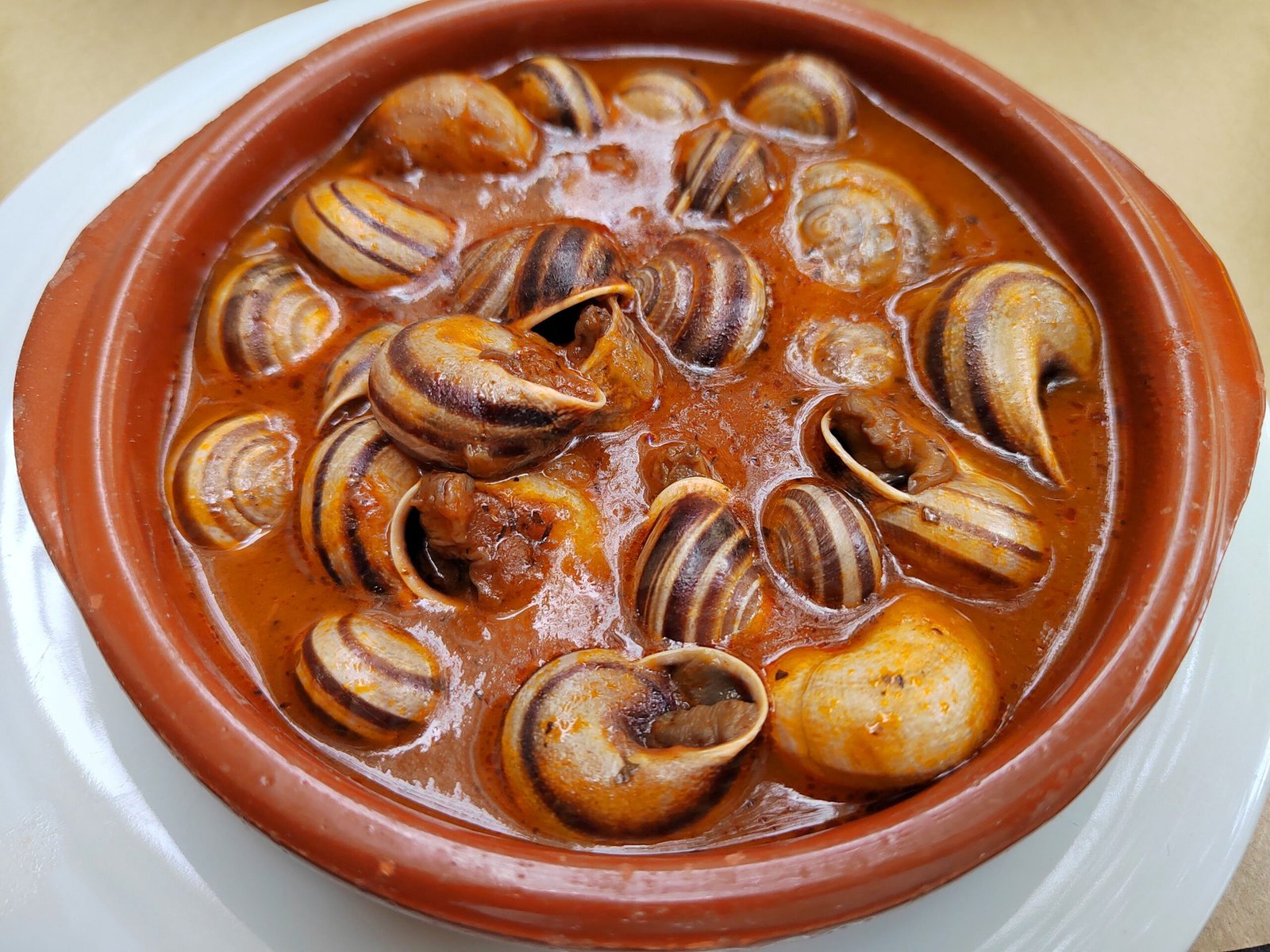
Searching for the best callos a la madrileña near me is a great way to discover one of the most distinctive and traditional dishes associated with Madrid and Spanish cuisine. Callos a la Madrileña is a rich, slow-cooked tripe stew known for its deep flavor, tender texture, and warming character. Traditional versions commonly combine beef tripe with ingredients such as chorizo, morcilla, ham, paprika, and aromatic seasonings, creating a hearty dish that has long been connected with Madrid’s tavern and restaurant culture. The dish is generally served hot and is especially associated with comforting, slow-cooked Spanish food.
Whether you are already a fan of Spanish offal dishes or are trying Madrid-style tripe for the first time, finding the best callos a la madrileña near me can lead you to traditional Spanish restaurants, family-run establishments, specialty eateries, and restaurants focused on regional Iberian cuisine. A successful local search involves more than choosing the closest restaurant. Diners should consider authenticity, cooking technique, ingredient quality, menu descriptions, restaurant reputation, and whether the establishment regularly prepares traditional Spanish dishes. This guide explains what Callos a la Madrileña is, why it remains such an important dish, and how to improve your chances of finding an excellent bowl nearby.
What Are Callos a la Madrileña?
Callos a la Madrileña is a traditional Madrid-style stew whose central ingredient is tripe. The recipe is known for its long cooking process, which helps produce tender pieces and a rich, deeply flavored broth or sauce. Traditional preparations may also include gelatinous cuts such as snout or foot, while chorizo, morcilla, ham, paprika, garlic, onion, and spices contribute to the dish’s characteristic savory and sometimes mildly spicy profile. Official tourism information from Madrid describes it as one of the city’s most traditional and characterful dishes, closely connected with historic tavern-based cuisine.
When searching for the best callos a la madrileña near me, it is helpful to understand that this is not an ordinary soup or a quick stew. A traditional preparation requires patience, careful cleaning of the main ingredients, and extended cooking. Spain’s official tourism recipe, for example, describes slowly cooking the callos with ingredients including ham, chorizo, morcilla, garlic, onion, bay leaf, and seasonings before finishing the dish with a sofrito containing paprika. The same traditional guidance notes that the dish can be especially enjoyable after resting and developing its flavor further.
Why Callos a la Madrileña Is So Popular
One reason the best callos a la madrileña near me is such a valuable search phrase for food lovers is that the dish offers an experience very different from standard Spanish restaurant fare. Many people are familiar with paella, tapas, tortilla española, or croquetas, but Callos a la Madrileña introduces diners to a more traditional and deeply rooted side of regional Spanish cooking. Its flavor comes from a combination of slow cooking, meat, sausage, paprika, aromatics, and the natural richness released during preparation. The result can be intense, savory, warming, and highly satisfying for diners who enjoy robust stews.
The dish also has strong historical connections with Madrid’s popular food culture. Recent and official guides describe Callos a la Madrileña as a recipe that developed from humble and tavern-based traditions into a recognized classic of the capital’s gastronomy. This history gives the dish an additional appeal for travelers and food enthusiasts looking for an authentic regional experience rather than a generic restaurant meal.
How to Search for the Best Callos a la Madrileña Near Me
The simplest approach is to begin with the exact phrase best callos a la madrileña near me in a search engine or map application. However, expanding your search can reveal restaurants that use slightly different menu descriptions. Try related searches such as Spanish restaurants near me, authentic Spanish food near me, Madrid cuisine near me, Spanish tripe stew near me, traditional tapas restaurant near me, and Madrid-style tripe restaurant. Some restaurants may list the dish in Spanish as callos, while others may provide an English description.
You should also search restaurant menus rather than relying only on general ratings. A highly rated Spanish restaurant may specialize in seafood, paella, or modern tapas and may not serve Callos a la Madrileña at all. Look for menu sections featuring guisos, platos tradicionales, cocina madrileña, or other traditional Spanish dishes. If a restaurant specifically identifies its recipe as Callos a la Madrileña, this may indicate that the dish is an intentional part of its culinary identity rather than an occasional or improvised menu item.
What Makes Great Callos a la Madrileña?
A restaurant serving the best callos a la madrileña near me should ideally demonstrate care in both preparation and flavor development. The tripe should be thoroughly cleaned and cooked until tender rather than chewy or unpleasantly tough. Traditional recipes emphasize lengthy, gentle cooking, allowing the ingredients to soften and the flavors to combine. Spain’s official tourism recipe includes an extended cooking process and a finishing sofrito, while traditional recipe guidance also commonly highlights resting the stew so its flavors can continue developing.
Texture is another important sign of quality. Good Callos a la Madrileña generally has a rich, cohesive sauce rather than a thin and watery broth. The gelatinous qualities of some traditional cuts contribute body to the dish, while paprika and other ingredients create its characteristic appearance and flavor. The sausages should contribute depth without completely overwhelming the tripe, and the seasoning should provide complexity rather than simply heat or saltiness.
Traditional Ingredients to Look For
If you want the best callos a la madrileña near me, learning about traditional ingredients can make it easier to evaluate a menu. Beef tripe is the foundation of the dish, while some recipes also include snout or foot for additional richness and texture. Chorizo contributes smoky, savory flavor, and morcilla adds another distinctive Spanish element. Ham, garlic, onion, bay leaf, paprika, and other spices help create the deep flavor associated with the Madrid-style version.
Recipes can vary between restaurants and households, so there is no reason to reject every variation. However, a restaurant claiming to offer traditional Callos a la Madrileña should generally retain the essential identity of the dish: tender tripe, a rich slow-cooked sauce, and the characteristic Spanish seasoning and meat components that distinguish the recipe.
Should You Choose a Traditional Spanish Restaurant?
In many cases, yes. When looking for the best callos a la madrileña near me, a restaurant specializing in traditional Spanish or regional Spanish cuisine may provide a stronger chance of finding an authentic version than a general European restaurant. Restaurants focused on Madrid cuisine, old-style tavern dishes, Iberian specialties, or classic Spanish cooking are especially worth investigating.
That said, authenticity does not depend solely on the restaurant’s name or décor. A modern Spanish restaurant may produce an excellent version if the chef respects the fundamental preparation, while a restaurant marketed as traditional may not regularly serve the dish. Reading menu descriptions, customer reviews, and recent comments can help you identify whether Callos a la Madrileña is genuinely one of the establishment’s specialties.
How to Use Reviews When Searching for Callos
Restaurant reviews can be extremely useful when searching for the best callos a la madrileña near me, but they should be read carefully. Instead of looking only at the overall star rating, search within reviews for terms such as callos, tripe, Spanish stew, traditional Spanish food, authentic, homemade, and Madrid-style. Detailed reviews are often more valuable than short comments because they may describe texture, portion size, flavor, and the overall quality of the dish.
Pay particular attention to repeated comments. If several independent diners mention that a restaurant’s Callos a la Madrileña is tender, rich, flavorful, and authentic, that pattern can be more informative than one enthusiastic review. Conversely, repeated complaints about toughness, excessive greasiness, poor seasoning, or inconsistent preparation may suggest that another restaurant is a better choice.
Why Long Cooking Matters
The slow cooking process is central to the identity of Callos a la Madrileña. Traditional guidance from Spain’s tourism resources describes several hours of gentle cooking, while other recipe sources emphasize allowing the dish to rest before serving or enjoying it the following day. This extended preparation gives the ingredients time to soften and allows the flavors of the meats, sausages, paprika, aromatics, and sauce to integrate.
For diners searching for the best callos a la madrileña near me, this is why a restaurant’s approach to traditional cooking can matter. A carefully prepared stew is not simply a collection of ingredients placed together at the last minute. The transformation created by time is an important part of the experience.
Is Callos a la Madrileña Spicy?
Callos a la Madrileña can have a mild to moderate level of heat depending on the recipe. Paprika and guindilla, or chili pepper, are often used to give the stew warmth and a subtle spicy character, although the precise intensity varies. The goal is generally to complement the rich flavor of the dish rather than turn it into an aggressively hot meal. Recent guides to the dish describe the characteristic seasoning as part of what gives Callos a la Madrileña its warming and distinctive personality.
If you are sensitive to spicy food, ask the restaurant about its preparation before ordering. Restaurants may be able to explain whether their version contains chili or whether the heat level can be adjusted.
What to Eat with Callos a la Madrileña
Bread is one of the most natural companions for Callos a la Madrileña because the rich sauce is an important part of the dish. A good piece of crusty bread can be used to enjoy every part of the flavorful stew. Depending on the restaurant, the dish may be served as a substantial main course or as part of a larger Spanish meal.
Because Callos a la Madrileña is rich and filling, some diners prefer to begin with a lighter appetizer. A simple salad, vegetables, or a small selection of tapas can provide contrast before the main dish. If your goal is to fully appreciate the flavor of the best callos a la madrileña near me, avoid ordering so many heavy dishes beforehand that you cannot enjoy the stew itself.
Questions to Ask Before Visiting a Restaurant
Before traveling to a restaurant in search of the best callos a la madrileña near me, it can be useful to contact the establishment. Ask whether Callos a la Madrileña is currently available, whether it is served daily or only on particular days, and whether reservations are recommended. Some traditional dishes require significant preparation and may not be available at every service.
You can also ask whether the restaurant prepares the dish in-house and what style of recipe it follows. While a restaurant may not disclose every culinary detail, the response can help you understand whether Callos a la Madrileña is a genuine specialty. This is particularly useful when the dish is a major reason for your visit.
How to Find Authentic Callos Outside Madrid
You do not have to be in Spain to search for the best callos a la madrileña near me. Large cities around the world may have Spanish restaurants, Iberian restaurants, European specialty establishments, or restaurants operated by chefs with experience in regional Spanish cuisine. The key is to search broadly and examine menus carefully.
Try combining your city name with terms such as Callos a la Madrileña, Spanish tripe stew, Madrid restaurant, or traditional Spanish food. You can also look for restaurants that host Spanish food events or offer seasonal regional menus. Because Callos a la Madrileña is a specialized dish, availability may be more limited than that of paella or tapas, but this can make discovering a well-prepared version even more rewarding.
Why This Dish Is Worth Trying
Callos a la Madrileña may not be the first Spanish dish that appears on an international menu, but it offers a powerful introduction to the depth and diversity of Spanish regional cuisine. Its ingredients, slow preparation, and long association with Madrid’s food culture make it especially interesting for adventurous diners and anyone who wants to move beyond familiar Spanish restaurant choices. Official Madrid tourism information describes it as a dish deeply rooted in the city’s culinary identity and historic food traditions.
Searching for the best callos a la madrileña near me can therefore be about more than satisfying hunger. It can be an opportunity to discover traditional cooking methods, regional food history, and flavors that have remained important across generations.
Tips for Getting the Best Dining Experience
When you finally locate a restaurant that appears to serve excellent Callos a la Madrileña, consider visiting when the dish is freshly available and the kitchen is operating at full capacity. Read recent menu information, check current reviews, and confirm availability before traveling. Order the dish while keeping the rest of your meal relatively balanced so you can fully appreciate its richness.
If you enjoy the restaurant’s version, ask whether the recipe changes seasonally or whether it is a permanent specialty. Traditional stews can sometimes appear more frequently during colder months, although individual restaurant practices vary. Taking the time to compare several restaurants can also help you discover how different chefs interpret this famous Madrid classic.
Conclusion
Finding the best callos a la madrileña near me can lead to an unforgettable exploration of traditional Spanish cuisine. This celebrated Madrid-style stew is built around slow cooking, carefully prepared tripe, rich seasoning, and classic ingredients such as chorizo, morcilla, ham, paprika, and aromatic vegetables. Its connection to Madrid’s historic tavern culture and its transformation into a respected culinary classic make it a fascinating choice for anyone interested in authentic regional food.
To improve your chances of finding an outstanding version, search beyond the exact phrase best callos a la madrileña near me, investigate traditional Spanish restaurants, examine menus, read detailed reviews, and confirm availability before visiting. Focus on restaurants that value slow cooking and regional culinary traditions. With a little research, you may discover a rich, tender, deeply flavorful bowl of Callos a la Madrileña that introduces you to one of Madrid’s most memorable traditional dishes.
Frequently Asked Questions About the Best Callos a la Madrileña Near Me
1. What is Callos a la Madrileña?
Callos a la Madrileña is a traditional Madrid-style tripe stew. It commonly includes beef tripe along with ingredients such as chorizo, morcilla, ham, paprika, garlic, onion, and seasonings, all cooked slowly to develop a rich flavor.
2. How can I find the best callos a la madrileña near me?
Search the exact keyword best callos a la madrileña near me, then expand your search to include Spanish restaurants near me, authentic Spanish food, Madrid cuisine, and Spanish tripe stew. Check menus and detailed customer reviews before choosing a restaurant.
3. What should authentic Callos a la Madrileña taste like?
A good version should be rich, savory, deeply seasoned, and complex. The tripe should be tender, while ingredients such as chorizo, morcilla, paprika, and aromatics should contribute depth without overwhelming the dish.
4. Is Callos a la Madrileña the same as ordinary tripe stew?
Not exactly. Tripe is used in many cuisines and regions, but Callos a la Madrileña has a specific association with Madrid and is traditionally characterized by its Spanish ingredients, seasonings, sausages, and slow-cooking style.
5. Is Callos a la Madrileña spicy?
It can have a mild spicy character because some traditional recipes use paprika and guindilla. The actual heat level depends on the restaurant and recipe.
6. Why is Callos a la Madrileña slow-cooked?
Slow cooking helps tenderize the tripe and allows the ingredients and seasonings to develop a deeper, more integrated flavor. Traditional recipes often require several hours of preparation.
7. What should I look for when ordering the best callos a la madrileña near me?
Look for tender tripe, a rich and flavorful sauce, balanced seasoning, quality Spanish sausage ingredients, and signs that the dish has been prepared with a traditional slow-cooking approach.
8. Can I find Callos a la Madrileña outside Spain?
Yes. Some authentic Spanish and Iberian restaurants around the world serve the dish, although it may be less common than paella, tapas, or tortilla española. Searching menus and contacting restaurants directly can improve your chances of finding it.
9. What is the best side dish with Callos a la Madrileña?
Crusty bread is a classic accompaniment because it can be enjoyed with the rich sauce. A lighter appetizer or salad may also provide balance before the main dish.
10. Is Callos a la Madrileña worth trying?
For diners who enjoy traditional, slow-cooked dishes and want to explore authentic Madrid cuisine, Callos a la Madrileña is definitely worth trying. Its rich flavor, long culinary history, and distinctive preparation make it one of the most memorable traditional dishes associated with Madrid.
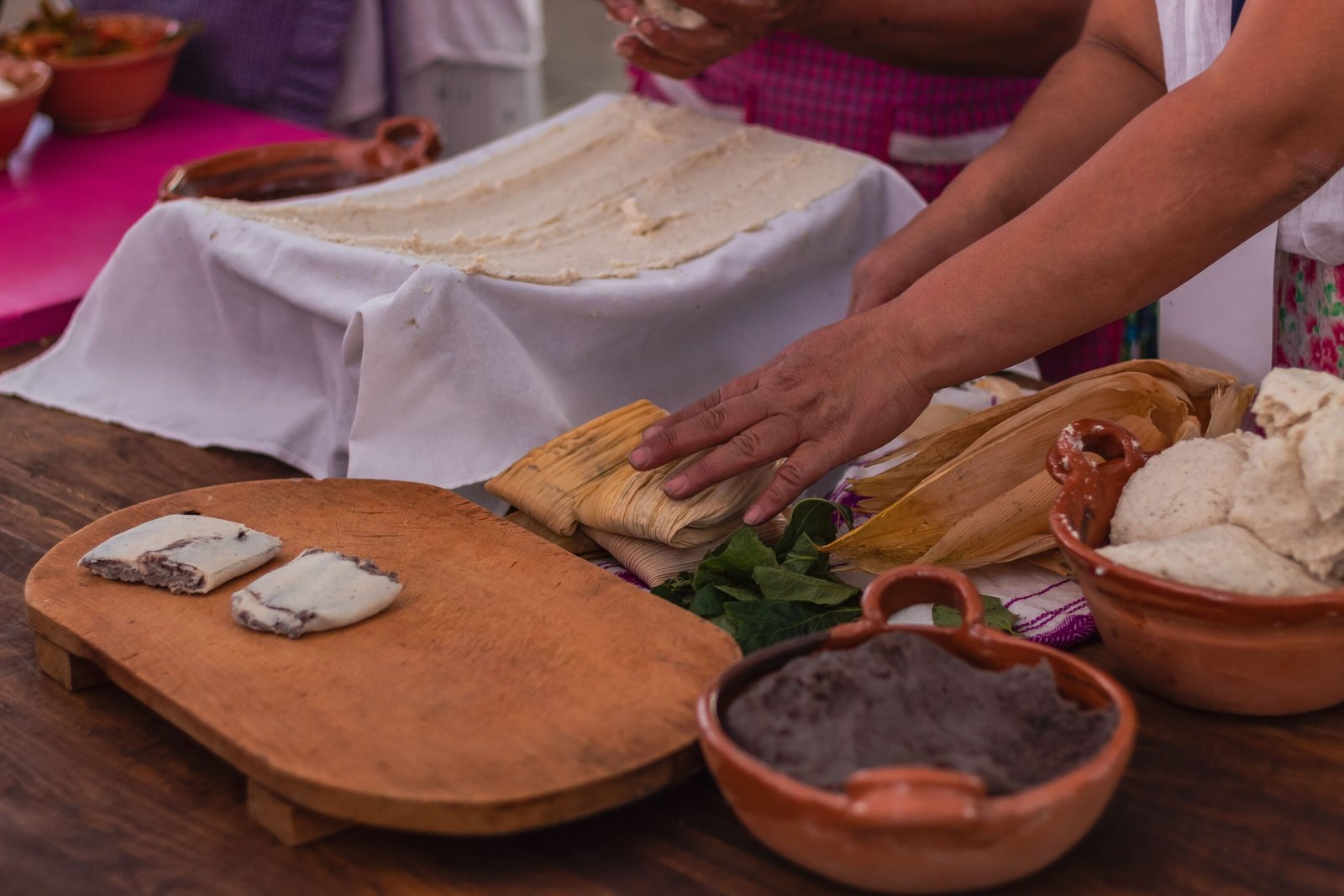
If you are searching for the best tamales tolimenses near me, you are probably looking for much more than an ordinary tamale. Tamales Tolimenses are one of Colombia’s best-known regional foods, traditionally associated with the Tolima region and recognized for their generous combination of corn-based masa, seasoned meats, rice, vegetables, and other flavorful ingredients wrapped in plantain leaves. Unlike many simple tamales that focus on one filling, a traditional Tolimense tamal is a substantial meal with several layers of flavor and texture. Recipes commonly include pork, chicken or poultry, rice, peas, potatoes, carrots, and hard-boiled egg, while achiote, cumin, garlic, onions, and other seasonings help create its distinctive savory character. When people search for tamales tolimenses near me, they are often trying to find an authentic Colombian food experience without having to travel to Tolima itself.
Finding the best tamales tolimenses near me can take a little more effort because not every Colombian restaurant, bakery, food truck, or Latin American food business prepares this regional specialty. A good Tamal Tolimense should have a satisfying balance between masa and filling, well-seasoned meat, properly cooked vegetables, and the characteristic aroma that develops when the ingredients are cooked and wrapped in plantain leaves. Traditional preparation can also be labor-intensive, with recipes requiring several hours of preparation and cooking. This is one reason authentic versions may be prepared in batches for weekends, holidays, family gatherings, or special occasions rather than being available every day. This guide explains what to look for, how to compare local options, what makes an authentic Tamal Tolimense special, and how to make your search for best tamales tolimenses near me much easier.
Best Tamales Tolimenses Near Me: What Makes Them Special?
The first thing to understand when looking for the best tamales tolimenses near me is what separates a genuine Tolimense-style tamal from other varieties of tamales. Tamales exist throughout Latin America, but their ingredients, wrapping methods, fillings, textures, and preparation techniques vary significantly from country to country and even from one Colombian region to another. Tamales Tolimenses are particularly hearty and are traditionally assembled with a combination of masa and fillings that can include pork, chicken, rice, peas, potatoes, carrots, and egg. Some traditional recipes also use pork belly or ribs and season the mixture with garlic, scallions, cumin, pepper, and achiote. The resulting tamal is not simply a snack; it is often substantial enough to serve as a complete breakfast, lunch, or dinner.
Another important characteristic is the cooking process. Traditional recipes describe wrapping the ingredients in prepared plantain leaves and tying the package securely before cooking it for several hours over low heat. This slow cooking allows the flavors of the masa, meats, vegetables, and seasonings to come together. The plantain leaf also contributes an appealing aroma to the finished dish. When you find a restaurant or Colombian food business advertising authentic tamales tolimenses, ask whether they prepare them traditionally and whether they are made fresh or reheated from a previous batch. A carefully prepared tamal should feel cohesive without becoming excessively wet or falling apart, while the filling should remain flavorful and generous rather than being overwhelmed by masa.
How to Search for the Best Tamales Tolimenses Near Me
Searching Google or a map application for best tamales tolimenses near me is a good starting point, but the first results are not necessarily the best results. Search engines may show Colombian restaurants, Latin American restaurants, bakeries, grocery stores, caterers, or businesses that offer tamales only occasionally. Begin by searching several related phrases, including “tamales tolimenses near me,” “Colombian tamales near me,” “authentic Colombian tamales,” “Tamal Tolimense,” and “where to find tamales tolimenses.” Using several search variations can reveal businesses that do not place the exact phrase “Tamales Tolimenses” in their business name or main description.
Once you have a shortlist, examine the menu carefully rather than relying only on photographs or general restaurant ratings. A restaurant may have excellent Colombian food but may not prepare Tolimense tamales. Look for menu descriptions that mention Tolima, Tamal Tolimense, Colombian-style tamales, plantain leaves, pork, chicken, rice, peas, potatoes, carrots, or egg. Traditional recipes vary, so a difference in one ingredient does not automatically mean that a tamal is inauthentic, but the overall combination and preparation style can provide useful clues. You can also call ahead and ask whether the tamales are available that day, whether they are made in-house, and what ingredients are included. This is especially useful when searching for the best tamales tolimenses near me because tamales may sell out quickly when they are prepared in limited batches.
What to Look for in Authentic Tamales Tolimenses
When comparing the best tamales tolimenses near me, pay attention to the quality of the masa first. The masa should complement the filling instead of acting merely as a thick outer layer. It should be cooked properly and have enough seasoning to taste flavorful on its own while still allowing the meat and vegetables to stand out. Traditional recipes can combine corn masa with rice and peas, creating a texture that is more complex than that of a simple corn-based tamale. If the masa is excessively dry, bland, or overly dense, the overall experience may be disappointing even when the filling is good.
The filling is equally important. A well-made Tamal Tolimense commonly contains several components, such as seasoned pork, chicken, rice, peas, potatoes, carrots, and cooked egg. The ingredients should be distributed reasonably throughout the tamal so that each portion provides a satisfying combination of flavors. Meat should be tender and properly seasoned, while potatoes and carrots should be cooked enough to be pleasant to eat without becoming completely mushy. If you cut into the tamal and find only a small amount of filling surrounded by a large quantity of masa, it may not provide the generous experience you expect from a traditional Tolimense tamal.
Why Plantain Leaves Matter
Plantain leaves are another useful detail to consider when searching for best tamales tolimenses near me. Traditional recipes use prepared plantain leaves to wrap the tamal before it is tied and cooked. The wrapping does more than hold the ingredients together; it is part of the cooking method and helps create the familiar aroma associated with many Latin American tamales. The leaf is generally removed before eating, but its presence can be an important visual and aromatic clue when you receive your order.
The wrapping should also be secure. Traditional preparation instructions emphasize tying the tamal firmly so that water does not enter during cooking. If you are buying tamales from a local restaurant or market, a neatly wrapped package is not by itself proof of authenticity, but it can indicate that the kitchen is following a traditional preparation method. More importantly, the finished tamal should have a pleasant aroma, hold together when opened, and show a balanced combination of masa and filling.
Best Tamales Tolimenses Near Me for Breakfast
For many people, breakfast is one of the best times to enjoy a Tamal Tolimense. Colombian tamales are associated with breakfast traditions as well as celebrations and family occasions, and their substantial size makes them particularly suitable for starting the day with a filling meal. If you are searching for best tamales tolimenses near me early in the morning, look for Colombian bakeries, specialty food shops, cafés, and restaurants that specifically advertise breakfast tamales.
Availability can be the biggest challenge. Because traditional tamales require considerable preparation time, a business may make them on particular days rather than keeping them continuously available. Some businesses may also accept advance orders for larger quantities. Calling before visiting can therefore save time and increase your chances of finding fresh Tamales Tolimenses. If you are buying several for a family breakfast, weekend gathering, or celebration, ordering in advance can be especially helpful.
Best Tamales Tolimenses Near Me for Family Meals and Special Occasions
Tamales Tolimenses can be an excellent choice when you need food for a family meal, holiday gathering, or Colombian-themed celebration. Their substantial size and combination of meat, vegetables, rice, peas, and masa make them naturally suited to sharing and serving as a complete meal. Traditional Colombian tamales are also closely associated with festive occasions and family traditions. When looking for the best tamales tolimenses near me for an event, do not judge a supplier only by the price per tamal. Ask about portion size, filling, preparation date, reheating instructions, minimum order quantities, and whether the tamales are made fresh for the order.
For larger orders, consistency matters just as much as flavor. A reputable seller should be able to explain how the tamales are prepared and how they should be stored and reheated. It is also worth asking whether the business offers different sizes. Some Colombian tamal producers sell standard and larger versions, and one established producer, for example, lists different sizes containing combinations of chicken, pork, egg, carrot, peas, and masa. This illustrates why comparing portion size and filling is useful when deciding which local option represents the best value.
How to Compare Colombian Restaurants Offering Tamales Tolimenses
If several restaurants appear when you search best tamales tolimenses near me, compare them using more than star ratings. Start with authenticity and menu information, then consider customer reviews that specifically mention tamales rather than reviews about the restaurant in general. Look for comments about freshness, portion size, meat quality, masa texture, seasoning, and whether the tamal tastes homemade. A restaurant with hundreds of reviews may have a strong reputation overall but may not specialize in Colombian tamales, while a smaller Colombian food business might receive fewer reviews but have a stronger reputation for this particular dish.
Location and convenience matter as well. The closest restaurant is not always the best option if its tamales are only available occasionally or if customers consistently report that they sell out. If your goal is to find the best tamales tolimenses near me, consider creating a shortlist of three or four places and comparing their menus, reviews, availability, prices, and portion sizes. This approach gives you a better chance of finding a genuinely satisfying tamal rather than choosing the first search result.
What Should a Good Tamal Tolimense Taste Like?
A good Tamal Tolimense should provide several flavors in a single bite. You should be able to taste the savory seasoning of the meat, the mild sweetness and earthiness of vegetables, the richness of the pork, and the comforting flavor of the masa and rice. Traditional seasoning commonly includes ingredients such as garlic, onion, cumin, pepper, and achiote, which help create the characteristic savory profile. The flavor should be well balanced rather than excessively salty or dominated by a single spice.
Texture is equally important. The masa should be cooked through and cohesive, while the meats should be tender enough to eat comfortably. Potatoes, carrots, peas, and egg should contribute distinct textures without becoming unpleasantly soft. When you unwrap a well-prepared tamal, the aroma from the plantain leaf and seasoned filling should immediately make the dish appealing. These qualities are useful benchmarks when deciding whether you have found the best tamales tolimenses near me or whether you should keep exploring other local options.
Common Mistakes When Searching for Tamales Tolimenses Near Me
One of the most common mistakes is assuming that every Colombian tamal is a Tamal Tolimense. Colombia has numerous regional food traditions, and tamales can differ considerably depending on where they originate. Comparing a Tolimense tamal with another Colombian regional style can be interesting, but if your goal is specifically the best tamales tolimenses near me, make sure the restaurant or seller actually identifies its product as Tolimense. Regional distinctions can involve ingredients, proportions, preparation techniques, and wrapping styles.
Another mistake is failing to check availability. A restaurant may have an old menu page or social media post mentioning tamales even though the item is currently available only on certain days. Calling ahead or checking the most recent business information can prevent an unnecessary trip. Finally, avoid judging authenticity based solely on presentation. A beautifully wrapped tamal may still lack flavor, while a modest-looking homemade tamal may have an excellent filling and traditional preparation. Taste, ingredients, freshness, and preparation should ultimately guide your decision.
How to Find the Best Tamales Tolimenses Near Me Online
Online search is one of the easiest ways to discover local Colombian food, but using specific search terms can make the process more efficient. Start with best tamales tolimenses near me, then try tamales tolimenses near me, Colombian tamales near me, Tamal Tolimense restaurant, and authentic Colombian tamales. Map listings can help you identify businesses in your area, while restaurant menus and customer reviews can provide additional information about what is actually served.
When reviewing search results, prioritize current information. Look for recent customer comments, updated menus, recent photographs, and businesses that clearly describe their Colombian food. If a listing has no evidence that Tamales Tolimenses are currently offered, do not assume that the dish is available simply because the restaurant serves Latin American cuisine. A quick phone call can often provide more reliable information than an outdated menu page.
Tips for Getting the Freshest Tamales Tolimenses
Freshness can make a significant difference in the experience. If possible, ask when the latest batch was prepared and whether the tamales are currently being served. Because traditional Tamales Tolimenses can require several hours of cooking, businesses often prepare them in batches. Some sellers may make them in advance and reheat them for service, while others may prepare smaller batches throughout the week.
If you are ordering several tamales, ask for instructions on reheating and storage. Proper reheating helps preserve the texture of the masa and filling without drying the tamal out. If you are buying them to serve later, follow the seller’s food-safety and storage recommendations. These simple steps can help ensure that your search for best tamales tolimenses near me results in a meal that tastes as good at home as it would at the restaurant.
Why Authentic Tamales Tolimenses Are Worth Trying
Authentic Tamales Tolimenses are worth seeking out because they represent more than just a convenient meal. They bring together regional Colombian culinary traditions in one carefully prepared package. The combination of corn masa, rice, meats, vegetables, seasonings, and plantain leaves creates a dish with a distinctive identity. Traditional recipes can take several hours from preparation to cooking, which helps explain why tamales are often connected with family gatherings, celebrations, weekends, and special occasions.
For anyone who enjoys discovering regional food, searching for best tamales tolimenses near me can be an excellent introduction to Colombian cuisine. The best version may come from a restaurant, bakery, specialty food producer, caterer, or home-style cook rather than the largest establishment in your area. The key is to look for genuine ingredients, careful preparation, generous filling, good seasoning, and positive feedback specifically about the tamales.
Conclusion
Finding the best tamales tolimenses near me is easier when you know what makes this Colombian specialty distinctive. Look for a tamal that combines well-seasoned meat with masa, rice, peas, vegetables, and other traditional ingredients, and pay attention to the use of plantain leaves and the slow cooking process. Traditional sources describe Tamales Tolimenses as a substantial regional dish featuring ingredients such as pork, chicken, rice, peas, potatoes, carrots, and egg, with seasoning that can include cumin, garlic, onion, pepper, and achiote.
The best strategy is to compare several local options rather than automatically choosing the closest result. Search for tamales tolimenses near me, check menus and recent reviews, confirm availability before visiting, and ask about freshness and ingredients. Whether you want a hearty Colombian breakfast, a family meal, or a taste of Tolimense culinary tradition, taking a little time to research your options can help you discover a tamal that is flavorful, generous, and memorable.
Frequently Asked Questions About Best Tamales Tolimenses Near Me
What are Tamales Tolimenses?
Tamales Tolimenses are a traditional Colombian regional tamal associated with the Tolima region. They commonly combine corn-based masa with ingredients such as pork, chicken or poultry, rice, peas, potatoes, carrots, and egg, wrapped in plantain leaves and cooked until the components are fully prepared.
How do I find the best tamales tolimenses near me?
Search Google Maps or another local search service for phrases such as best tamales tolimenses near me, tamales tolimenses near me, Colombian tamales near me, and authentic Colombian tamales. Then compare menus, recent reviews, photographs, availability, portion sizes, and customer comments specifically about the tamales.
What ingredients are usually found in a Tamal Tolimense?
Traditional recipes commonly include corn masa, rice, pork, chicken or poultry, peas, potatoes, carrots, and hard-boiled egg. Seasonings can include garlic, scallions, cumin, pepper, salt, and achiote. Recipes can vary between families and businesses, so small differences in ingredients are normal.
Are Tamales Tolimenses good for breakfast?
Yes. Colombian tamales are commonly enjoyed as a substantial breakfast and are also popular during celebrations and family occasions. Their combination of masa, meat, rice, vegetables, and other fillings makes them a filling meal.
Why are Tamales Tolimenses wrapped in plantain leaves?
Plantain leaves are traditionally used to wrap the tamal during preparation and cooking. They help contain the ingredients and contribute to the characteristic aroma of the finished dish. Traditional preparation involves tying the package securely before slow cooking.
Are Tamales Tolimenses spicy?
They are generally more savory and aromatic than intensely spicy. The exact flavor depends on the recipe, with seasonings such as cumin, garlic, onion, pepper, and achiote contributing much of the characteristic taste. Some restaurants may offer additional sauces or condiments separately.
What should I ask a restaurant before ordering Tamales Tolimenses?
Ask whether the tamales are available that day, whether they are made in-house, what ingredients they contain, how large they are, when the current batch was prepared, and whether advance ordering is required. These questions are particularly helpful because traditional tamales can require several hours of preparation and cooking.
Can I order Tamales Tolimenses for a large gathering?
Yes. Tamales can be a practical choice for family gatherings and celebrations, but it is best to order ahead when purchasing a large quantity. Ask the seller about minimum quantities, portion sizes, preparation dates, storage, and reheating instructions before placing your order.
What makes a Tamal Tolimense different from other Colombian tamales?
The main differences involve regional ingredients, proportions, preparation, and cooking traditions. The Tolimense style is particularly known for its substantial combination of masa, rice, meats, vegetables, peas, and egg. Other Colombian regional tamales can use different ingredient combinations and preparation methods.
How can I tell if I have found a good Tamal Tolimense?
Look for a well-cooked and flavorful masa, generous filling, tender meat, properly cooked vegetables, balanced seasoning, and the characteristic aroma associated with plantain-leaf wrapping. Reviews that specifically discuss tamales can also help you distinguish a strong local option from a restaurant that merely lists Colombian food on its menu.
Introduction
In the world of artisanal cheeses, few varieties command the same level of admiration and culinary intrigue as blue-veined cheeses. Among these distinguished offerings, Dorblu stands as a remarkable example of German cheese-making excellence that has earned its place on cheese boards and in kitchens worldwide. The name itself, derived from French “D’or blu” meaning “blue gold,” perfectly captures the essence of this exceptional cheese—a treasure that combines the richness of cream with the distinctive character of noble blue mould . Produced by the renowned Käserei Champignon in the picturesque Allgäu region of Germany, Dorblu represents a harmonious marriage of traditional cheese-making techniques and modern quality standards .
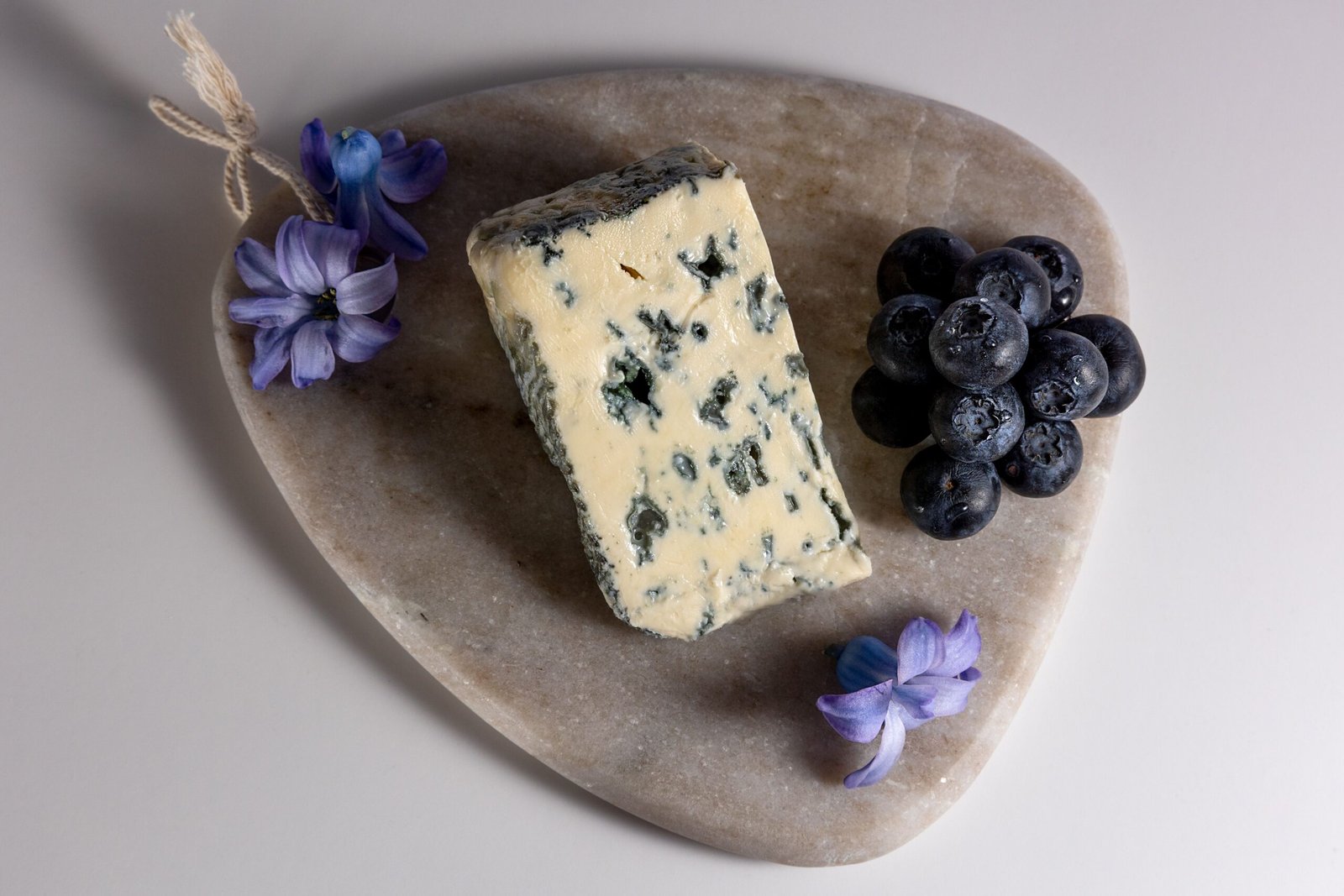
What sets Dorblu apart from other blue cheeses is its remarkable versatility and approachable character. While some blue cheeses can be overwhelmingly pungent or aggressively sharp, Dorblu offers a balanced experience that appeals to both seasoned cheese enthusiasts and those new to the world of blue-veined varieties. Its smooth, creamy texture provides a luxurious mouthfeel, while the distinctive blue veins running through the cream-coloured paste deliver a spicy, savoury flavour that is both distinctive and delightful . The cheese is made from pasteurised cow’s milk, ensuring food safety while maintaining the rich, buttery characteristics that make it so beloved .
Throughout this comprehensive guide, we will explore every aspect of Dorblu, from its origins and production methods to its various forms and culinary applications. Whether you are a professional chef seeking to incorporate this versatile cheese into your dishes, a home cook looking to elevate your everyday meals, or simply a cheese enthusiast eager to expand your knowledge, this article will provide you with all the information you need. We will examine the different varieties available, including Dorblu Classic, Dorblu Royal Blu, and the innovative Dorblu Cream Spread, discussing their unique characteristics and ideal uses . Additionally, we will delve into the sensory experience that makes Dorblu so special, exploring its flavour profile, texture, and aroma in detail. By the end of this guide, you will have gained a thorough understanding of why Dorblu has earned its reputation as one of Germany’s finest cheese exports and how you can make the most of this remarkable product in your culinary endeavours.
History and Origins of Dorblu
The story of Dorblu begins in the Allgäu region of southern Germany, an area renowned for its dairy farming traditions and pristine alpine pastures. This picturesque region, nestled in the foothills of the Alps, has been producing exceptional dairy products for centuries, and it is here that Käserei Champignon established its reputation as a master cheese-maker . The name “Dorblu” is not merely a marketing creation but a carefully chosen appellation that reflects the cheese’s prestigious character—”D’or blu” translates to “blue gold” in French, acknowledging the cheese’s value and the distinctive blue veins that are its hallmark . This naming choice also pays homage to the European cheese-making traditions that have influenced the development of blue cheeses across the continent.
Käserei Champignon, the producer behind Dorblu, has demonstrated a commitment to quality that is evident in every wheel of cheese they produce. The company’s expertise in crafting blue-veined cheeses is the result of generations of accumulated knowledge and continuous refinement of production techniques. The Allgäu region provides ideal conditions for cheese production, with its clean air, abundant water supply, and rich pastures that support healthy dairy herds. These environmental factors, combined with the producer’s technical expertise, contribute to the consistent quality and distinctive character that Dorblu has become known for . The cheese’s development was influenced by both German dairy traditions and the broader European tradition of blue cheese-making, resulting in a product that feels both authentic and innovative.
The introduction of Dorblu to the international market marked a significant moment for German cheese exports. While Germany has long been known for its beer and sausages, its cheese-making traditions were not as widely recognised outside the country. Dorblu helped to change this perception, demonstrating that German cheese-makers could produce world-class blue cheeses that could compete with more established varieties from France, Italy, and the United Kingdom. The cheese quickly gained popularity among cheese connoisseurs and everyday consumers alike, appreciated for its approachable character and reliable quality. Today, Dorblu stands as a testament to the excellence of German cheese-making, representing a tradition that continues to evolve while maintaining the high standards that have made it a success .
Varieties of Dorblu
One of the most appealing aspects of Dorblu is the variety of forms in which it is available, each designed to suit different culinary applications and consumer preferences. The Dorblu range has been thoughtfully developed to offer options for every occasion, from elegant entertaining to everyday snacking. The primary varieties include Dorblu Classic, which is the foundational product that established the brand’s reputation, and Dorblu Royal Blu, a more refined expression of the cheese-maker’s art . Additionally, the Dorblu Cream Spread offers an innovative take on the traditional blue cheese experience, providing convenience and versatility for modern lifestyles .
Dorblu Classic represents the traditional expression of this distinguished blue cheese. Made from pasteurised cow’s milk, this variety embodies everything that cheese enthusiasts have come to expect from a quality blue-veined cheese . The Classic variety is characterised by its delicate flavour profile, which balances the characteristic spiciness of blue mould with the creamy, buttery notes that come from the high-quality milk used in its production. The texture is smooth and the consistency is creamy, making it an excellent choice for cheese boards, salads, and simple snacks . The cream-coloured paste is beautifully marbled with blue veins, creating an attractive appearance that makes any dish visually appealing. The spiciness of the cheese is present but not overwhelming, making it accessible to those who might find other blue cheeses too intense . This balance of flavours is achieved through careful control of the ageing process, which allows the characteristic blue mould to develop without becoming overly pungent.
Dorblu Royal Blu represents a more refined expression of the Dorblu concept, designed for those who appreciate a more pronounced flavour experience. This variety maintains the creamy consistency that is the hallmark of the Dorblu brand but offers a more savoury and piquant character . The Royal Blu is particularly noted for its melting quality, making it exceptionally well-suited for incorporation into sauces and soups, where its flavour can be fully integrated into the dish . The more intense flavour profile of Royal Blu also makes it an excellent choice for those who enjoy the characteristic spiciness of blue cheeses but prefer it in a creamier format. The texture is described as meltingly smooth, creating a luxurious mouthfeel that enhances any dish it is used in . This variety demonstrates the versatility of the Dorblu range, showing that blue cheese can be both refined and approachable.
The Dorblu Cream Spread represents an innovative adaptation of the traditional blue cheese format, offering convenience and versatility for modern consumption . This spreadable version is based on the same high-quality cheese with noble blue mould growth, but has been transformed into a smooth, spreadable consistency that is perfect for quick snacks and casual entertaining. The cream spread is described as delighting with its velvety, smooth consistency, while the presence of blue mould gives the flavour depth and distinctiveness . This product is particularly well-suited for sandwiches, canapés, and tartines, offering the characteristic Dorblu flavour in a format that requires no preparation beyond spreading. The cream spread format also makes it easier to incorporate Dorblu into recipes, as it can be easily mixed into dips, dressings, and fillings without the need for grating or crumbling . This innovation demonstrates Dorblu’s commitment to meeting consumer needs while maintaining the quality and character that define the brand.
Beyond these primary varieties, Dorblu also offers a 55% fat version, which provides a richer, more indulgent experience for those seeking a more decadent cheese . This higher-fat variety is available in a 3kg format, catering to commercial kitchens and dedicated cheese enthusiasts who appreciate the enhanced creaminess and flavour intensity that comes with higher fat content . The availability of different fat contents and product formats ensures that there is a Dorblu product suitable for every consumer, whether they are seeking a simple snack cheese or a sophisticated ingredient for complex culinary creations.
Sensory Experience: Flavour, Aroma, and Texture
Understanding the sensory profile of Dorblu is essential for appreciating what makes this cheese so special. The sensory experience of Dorblu is the result of careful production processes that allow the natural characteristics of the cheese to develop fully. The cheese presents a complex but balanced profile that combines several distinct sensory elements into a harmonious whole . Independent testing has confirmed the exceptional quality of Dorblu, with the cheese receiving a sensory rating of 1.90 on a scale where 1 represents the highest quality . This rating reflects the consistent quality and careful production that goes into every wheel of Dorblu.
The visual appearance of Dorblu is immediately striking, with a cream-coloured paste that is beautifully veined with blue mould . This marbling is not merely decorative but is integral to the cheese’s character, as the blue veins are responsible for the characteristic flavour and aroma that distinguish blue cheeses. The distribution of the blue veins throughout the paste indicates careful attention to the piercing and ageing processes, which ensure that the mould develops evenly throughout the cheese. The cream-coloured base reflects the high quality of the milk used and the careful handling of the curd during production. This visual appeal makes Dorblu an excellent choice for cheese boards and other presentations where appearance matters.
The aroma of Dorblu is described as buttery and fresh, with the characteristic mustiness of blue mould . This aromatic profile is significantly less aggressive than that of many other blue cheeses, making it more approachable for those who might be put off by the more pungent aromas often associated with this cheese family. The buttery notes come from the high-quality milk and cream used in production, while the freshness indicates that the cheese is not over-aged and maintains its vibrant character. This balance of aromas contributes to the overall impression of a refined, carefully crafted cheese that prioritises quality and balance over intensity for its own sake.
The flavour of Dorblu is where this cheese truly excels, offering a profile that is both distinctive and balanced. Independent sensory testing has rated the flavour highly, confirming the cheese’s reputation for quality . The taste is characterised as creamy and spicy, with the creaminess providing a rich, luxurious mouthfeel that is enhanced by a note of piquancy . The spiciness comes from the blue mould and is balanced by the richness of the milk fat, creating a flavour that is satisfying without being overwhelming. This balance is particularly evident in the Classic variety, which is described as having a delicate flavour that is appropriate for a wide range of applications . The texture of Dorblu is equally important to its appeal, with a smooth consistency that provides a satisfying mouthfeel and makes the cheese suitable for a wide range of culinary uses .
Quality Assessment and Nutritional Profile
Dorblu has undergone rigorous independent testing to evaluate its quality and ensure it meets the highest standards. A comprehensive test conducted on a 50% fat variety of Dorblu assessed both sensory characteristics and analytical parameters, providing valuable insights into the cheese’s quality . The testing framework assigned 60% of the overall rating to sensory evaluation and 40% to analytical parameters, including nutritional data, weight, and microbiological testing for potential contaminants such as Escherichia coli, coagulase-positive staphylococci, coliform bacteria, and Listeria monocytogenes . This comprehensive approach to quality assessment demonstrates the importance placed on both the sensory experience and food safety aspects of Dorblu production.
The results of this testing were impressive, with the cheese achieving an overall rating of 1.50 on a scale where 1 represents the highest quality . The sensory score was 1.90, reflecting the balanced flavour and appealing texture that have made Dorblu popular among consumers . Even more notably, the analytical score was 1.00, indicating that the cheese meets the highest standards in terms of nutritional quality, proper weight, and microbiological safety . This excellent analytical score is particularly significant, as it demonstrates that Dorblu is not only delicious but also consistently produced to the highest standards of quality and safety. The test results confirm the cheese’s status as a “very high quality cheese” that has undergone appropriate ageing to develop its characteristic flavour .
The nutritional profile of Dorblu varies depending on the specific variety, with different fat contents available to suit different preferences. The standard 50% variety provides a balanced nutritional profile that delivers the richness expected from a quality blue cheese while remaining suitable for a wide range of dietary needs . For those seeking a more indulgent option, the 55% variety offers increased creaminess and a more decadent flavour experience . The nutritional composition of Dorblu reflects its high-quality ingredients and careful production process, with the milk and cream used providing essential nutrients such as protein, calcium, and vitamins. The availability of different fat contents allows consumers to choose the variety that best suits their taste preferences and dietary requirements, ensuring that everyone can enjoy the distinctive character of this exceptional cheese.
Culinary Applications and Serving Suggestions
The versatility of Dorblu makes it a valuable ingredient in a wide range of culinary applications. The different varieties available offer options for everything from simple snacks to sophisticated dishes, ensuring that there is a Dorblu product suitable for every occasion. The traditional serving methods for Dorblu include presentation on cheese boards, where its visual appeal and balanced flavour make it a standout choice . It is also excellent as a snack on sandwiches or cocktail tartines, where the creamy texture and spicy flavour can be appreciated without the need for elaborate preparation . The smooth consistency of the cheese makes it easy to spread or crumble, depending on the specific application and the preferences of the user.
When it comes to more elaborate culinary applications, Dorblu truly demonstrates its versatility. The cheese works exceptionally well in salads, where its distinctive flavour can add interest and complexity to fresh greens and other ingredients . The creamy texture of Dorblu allows it to be crumbled over salads, where it adds both flavour and visual appeal, or incorporated into salad dressings to provide a creamy, tangy base. The filling uses of Dorblu are also extensive, with the cheese being suitable for use in stuffings for poultry, vegetables, or pastries, where its flavour can permeate the other ingredients and add depth to the dish . The melting properties of Dorblu, particularly the Royal Blu variety, make it an excellent choice for sauces and soups, where it can be incorporated to create rich, creamy textures with a distinctive flavour profile .
For more casual entertaining, the Dorblu Cream Spread offers an ideal solution. This spreadable version can be served directly from its container, requiring no preparation and offering the characteristic Dorblu flavour in a convenient format . The cream spread is perfect for canapés, sandwiches, and party platters, where its smooth consistency and distinctive flavour can be appreciated without the need for additional preparation. The spreadable format also makes it easy to incorporate Dorblu into other dishes, such as dips, dressings, and spreads, providing a convenient way to add the distinctive flavour of blue cheese to a wide range of culinary creations. The versatility of the Dorblu range ensures that this exceptional cheese can be enjoyed in countless ways, from the simplest snack to the most sophisticated dish.
Conclusion
Dorblu stands as a testament to the excellence of German cheese-making, offering a blue-veined cheese that combines tradition, quality, and versatility in a way that appeals to a wide range of consumers. From its origins in the Allgäu region of Germany to its status as an internationally recognised cheese brand, Dorblu has demonstrated that German cheese-makers can produce world-class products that compete with more established varieties from across Europe . The cheese’s name, meaning “blue gold,” captures the essence of what makes it so special—a product that combines the richness of dairy with the distinctive character of noble blue mould to create something truly valuable . Whether enjoyed simply on its own as part of a cheese board, incorporated into sophisticated sauces and soups, or spread onto bread for a quick snack, Dorblu delivers a consistently excellent experience that has earned it a devoted following among cheese enthusiasts.
The range of Dorblu varieties ensures that there is a product suitable for every taste and occasion. The Classic variety offers the traditional Dorblu experience, with its delicate flavour and creamy texture making it accessible to a wide audience . The Royal Blu variety provides a more intense flavour experience, with its savoury and piquant character making it ideal for use in sauces and soups . The Cream Spread offers convenience and versatility, perfect for modern lifestyles and casual entertaining . These different expressions of the Dorblu concept demonstrate the cheese-maker’s commitment to meeting consumer needs while maintaining the quality and character that define the brand. The availability of different fat contents further extends the range, allowing consumers to choose the variety that best suits their taste preferences and dietary requirements .
Ultimately, Dorblu represents the best of what blue cheese can be—flavourful without being overwhelming, distinctive while remaining approachable, and versatile enough to be enjoyed in countless ways. The independent testing that has confirmed its quality and safety provides additional confidence for consumers, reassuring them that they are purchasing a product that meets the highest standards . Whether you are a seasoned cheese enthusiast or a curious newcomer to the world of blue-veined cheeses, Dorblu offers an excellent entry point and a reliable choice. Its balanced flavour profile, creamy texture, and refined character make it a cheese that can be enjoyed on any occasion, from the most casual snack to the most formal dinner party. In the world of fine cheeses, Dorblu has truly earned its place as a blue gold that continues to delight cheese lovers around the world.
Frequently Asked Questions
What does the name “Dorblu” mean?
The name Dorblu is derived from the French phrase “D’or blu,” which translates to “blue gold” . This name reflects the cheese’s value and its distinctive blue veins, which are created by the noble blue mould that grows throughout the cheese. The name also pays homage to the European cheese-making traditions that have influenced the development of blue cheeses.
Who produces Dorblu cheese?
Dorblu is produced by Käserei Champignon, a cheese-maker based in the Allgäu region of Germany . This region is known for its dairy farming traditions and high-quality milk production, which contribute to the excellence of the cheese. The company has been producing Dorblu for many years, developing the reputation of the cheese through consistent quality and careful production methods.
What are the main varieties of Dorblu available?
The main varieties of Dorblu include Dorblu Classic, which has a delicate flavour and creamy consistency; Dorblu Royal Blu, which is more savoury and piquant and melts well in sauces; and Dorblu Cream Spread, a spreadable version for easy use . The cheese is also available in different fat contents, including 50% and 55% varieties .
What does Dorblu taste like?
Dorblu has a flavour profile described as creamy and spicy, with the creaminess providing a rich, luxurious character and the spiciness coming from the blue mould . The balance of flavours makes it more approachable than some other blue cheeses, with a delicate flavour that does not overwhelm the palate. The cheese also has buttery and fresh aroma notes .
How should I serve Dorblu cheese?
Dorblu is very versatile and can be served in many ways. It is excellent on cheese boards, in sandwiches, and on cocktail tartines . It also works well in salads, stuffings, sauces, and casseroles . The Royal Blu variety is particularly suitable for sauces and soups due to its melting quality . The Cream Spread version is ideal for quick snacks and canapés .
What is the texture of Dorblu cheese?
Dorblu has a smooth texture and creamy consistency . This makes it pleasant to eat on its own and easy to incorporate into dishes. The smooth texture of the Classic variety makes it particularly suitable for cheese boards, where it can be appreciated as a stand-alone cheese. The Royal Blu variety has a consistency that melts in the mouth .
Is Dorblu a high-quality cheese?
Independent testing has confirmed that Dorblu is a high-quality cheese. In one comprehensive test, Dorblu received an overall rating of 1.50 on a scale where 1 represents the highest quality . The sensory rating was 1.90 and the analytical rating was a perfect 1.00, indicating that the cheese meets the highest standards of sensory appeal and food safety . The test results describe the cheese as being “very high quality” with a balanced flavour .
What milk is used to make Dorblu?
Dorblu is made from pasteurised cow’s milk . The use of pasteurised milk ensures food safety while still allowing the development of the characteristic flavour and texture that Dorblu is known for. The quality of the milk used is essential to the final product, and the producers source their milk from the Allgäu region, known for its excellent dairy farming.
Can Dorblu be used in cooking?
Yes, Dorblu is excellent for cooking. It can be used in sauces, soups, salads, fillings, casseroles, and other dishes . The Royal Blu variety, with its piquant flavour and melting consistency, is particularly well-suited for sauces and soups . The cream spread version can be easily incorporated into dips and dressings .
Where is Dorblu cheese made?
Dorblu is made in the Allgäu region of Germany by Käserei Champignon . This region, located in the southern part of Germany, is known for its dairy farming traditions, clean air, abundant water supply, and rich pastures. These environmental factors, combined with the expertise of the cheese-maker, contribute to the consistent quality and distinctive character of the cheese.

Takashi Morinozuka: Biography, Personality, Skills, and Role in Ouran High School Host Club

Yamaha TW200 Review: Specs, Performance, Pros and Cons, and Buying Guide

How to Adjust Door Hinges: A Complete Step-by-Step Guide

Charlie Rogers-Ciaffa: The Quiet Rise of a Hollywood Legacy Who Chose His Own Diamond

The Entrepreneur’s Operating System: Why Charfen.co.uk is Redefining Business Growth for UK Founders

Droven.io: The AI Knowledge Hub Reshaping How Professionals Understand Technology in 2026
 Entertainment3 months ago
Charlie Rogers-Ciaffa: The Quiet Rise of a Hollywood Legacy Who Chose His Own Diamond
- Tech3 months ago
The Entrepreneur’s Operating System: Why Charfen.co.uk is Redefining Business Growth for UK Founders
- Tech3 months ago
Droven.io: The AI Knowledge Hub Reshaping How Professionals Understand Technology in 2026
- Fashion2 months ago
The Ultimate Guide to Brick Patterns: Timeless Designs for Walkways, Patios, and Walls
- Tech3 months ago
Readmymanga com: The Comprehensive Guide to Features, Safety, and Legal Alternatives in 2026
- Fashion3 months ago
The Blazertje: Your Ultimate Guide to the Modern “Little Blazer” Taking Over Fashion
- Lifestyle3 months ago
Otelia Cox: The Quiet Strength Behind Hollywood’s Tony Cox
- Tech3 months ago
Voomixi com: The Ultimate Guide to This Digital Platform (Review, Features & User Experience)