History
Joan of Arc: The Inspiring Story of France’s Brave Heroine and Saint

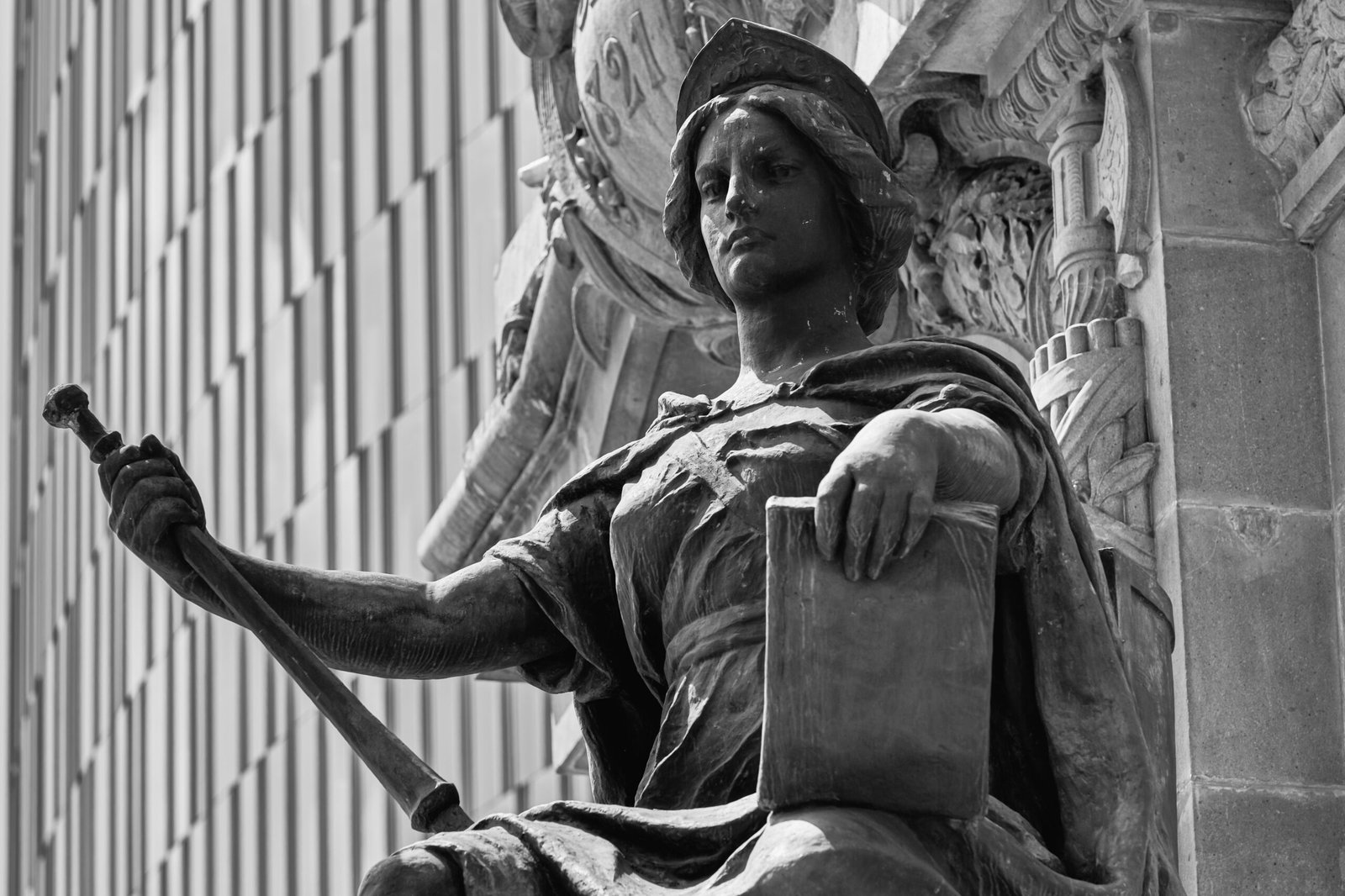
Who Was Joan of Arc?
Joan of Arc was one of the most remarkable figures in European history. Born around 1412 in Domrémy, France, she became a national heroine through her courage, religious convictions, and extraordinary role in the Hundred Years’ War.
Known in French as Jeanne d’Arc, Joan was a young peasant girl who believed she had received a divine mission to help France defeat English forces. Despite having no formal military training, she inspired French soldiers and helped change the course of the conflict.
Her life was tragically short, but her influence extended far beyond her lifetime. Today, Joan of Arc represents courage, faith, leadership, and determination, making her an enduring symbol of French national identity.
1. Joan of Arc’s Early Life and Family Background
Joan of Arc was born into a farming family in Domrémy, a small village in northeastern France. Her father, Jacques d’Arc, was a farmer, while her mother, Isabelle Romée, raised Joan with strong religious values.
Growing up in a rural community, Joan lived a relatively ordinary childhood. She was not educated in reading and writing, but she learned practical household skills and developed a deep commitment to her Catholic faith.
During her childhood, France was experiencing political instability and military conflict. The Hundred Years’ War between England and France had created widespread suffering, and many communities faced insecurity, displacement, and economic hardship.
These circumstances shaped Joan’s understanding of her country’s struggles. Her early experiences helped develop the determination that would later make her one of the most influential women of the Middle Ages.
2. Joan of Arc’s Religious Visions and Divine Mission
One of the most significant aspects of Joan of Arc’s story is her belief that she received messages from God. According to her own testimony, she began experiencing religious visions and hearing voices around the age of thirteen.
Joan associated these experiences with Saint Michael, Saint Catherine, and Saint Margaret. She believed they had given her a mission to support Charles, the French heir to the throne, and help drive English forces out of France.
At a time when women rarely held positions of authority, Joan’s claims were extraordinary. However, she remained determined to fulfill what she believed was her responsibility.
Her religious conviction became a central part of her identity. Whether viewed through faith or historical analysis, her confidence in her mission played a major role in her rise to prominence.
3. Joan of Arc and the Liberation of Orléans
The most important military achievement in Joan of Arc’s life was her involvement in the Siege of Orléans in 1429. The city was strategically important because its capture could have strengthened English control over large areas of France.
Joan traveled to meet Charles, the future King Charles VII, and persuaded him to allow her to accompany French forces. Although she lacked conventional military experience, her determination and confidence inspired soldiers who were struggling against English forces.
In April 1429, Joan arrived at Orléans. Her presence helped strengthen French morale, and French forces launched successful attacks against English positions.
On May 8, 1429, the English abandoned the siege. The liberation of Orléans became a turning point in the Hundred Years’ War, transforming Joan into a celebrated French heroine.
Her achievement demonstrated that leadership could come from unexpected places. She became a powerful symbol of hope for a nation facing military and political uncertainty.
4. Joan of Arc’s Role in the Coronation of Charles VII
Following the victory at Orléans, Joan continued supporting the French military campaign. Her next major objective was to help Charles reach Reims, the traditional location for the coronation of French kings.
The journey was politically significant because Charles’s legitimacy as king had been challenged during the war. A successful coronation would strengthen his position and provide greater unity among his supporters.
French forces captured several important towns during the campaign. Joan played an influential role by encouraging soldiers and supporting the royal cause.
On July 17, 1429, Charles VII was crowned at Reims Cathedral. This achievement represented a major success for Joan and the French monarchy.
The coronation strengthened Charles’s authority and became one of the defining accomplishments of Joan of Arc’s life. Her involvement showed how military success and political legitimacy were closely connected during medieval warfare.
5. Joan of Arc’s Capture, Trial, and Execution
Joan’s fortunes changed dramatically in 1430. During an attempt to defend Compiègne against Burgundian forces, she was captured and eventually transferred to English authorities.
Her enemies viewed her influence as a threat. The English and their supporters sought to undermine her reputation and weaken the legitimacy of Charles VII, whose coronation had been supported by Joan.
In 1431, Joan was subjected to a religious trial in Rouen. She faced accusations including heresy and the improper wearing of men’s clothing.
The trial was politically controversial, and Joan was questioned extensively about her beliefs and experiences. Despite the pressure, she continued defending her convictions.
On May 30, 1431, Joan of Arc was burned at the stake in Rouen at approximately nineteen years of age. Her execution shocked many people and eventually strengthened her reputation as a courageous figure who had remained committed to her beliefs.
6. Joan of Arc’s Rehabilitation and Sainthood
Joan’s story did not end with her execution. In 1456, approximately twenty-five years after her death, a Church investigation reviewed the original trial and overturned the verdict against her.
The rehabilitation process recognized serious problems with the earlier proceedings. It helped restore Joan’s reputation and established a foundation for her later recognition as a religious and historical figure.
Over the following centuries, Joan became an increasingly important symbol of French identity. Her story inspired artists, writers, historians, and religious communities.
In 1909, she was beatified by the Catholic Church. In 1920, Pope Benedict XV officially declared her a saint.
Today, Saint Joan of Arc is recognized as the patron saint of France. Her religious significance and historical achievements continue to attract attention from people around the world.
7. Why Joan of Arc Remains an Important Historical Figure
Joan of Arc remains important because her life challenges traditional ideas about leadership and authority. In a society where women had limited opportunities to participate in military and political affairs, she became a prominent leader through her determination and conviction.
Her story also demonstrates the relationship between national identity, religion, and warfare. During the Hundred Years’ War, her influence helped strengthen French morale and support the position of Charles VII.
Joan’s life offers several meaningful lessons for modern readers:
- Courage: She faced powerful opponents despite being young and inexperienced.
- Determination: She continued pursuing her mission despite repeated obstacles.
- Leadership: She inspired others through confidence and commitment.
- Resilience: She maintained her convictions during imprisonment and trial.
Her legacy is also a reminder that historical figures should be understood within their own political and cultural circumstances. Joan was both a religious figure and a participant in a complicated medieval conflict.
Her influence continues through historical studies, literature, films, monuments, and religious traditions.
Conclusion: The Lasting Legacy of Joan of Arc
Joan of Arc life is one of the most extraordinary stories in European history. From her humble beginnings in Domrémy to her leadership during the liberation of Orléans, she demonstrated remarkable courage and determination.
Her support for Charles VII helped strengthen the French monarchy during a critical period of the Hundred Years’ War. Although she was captured, tried, and executed at a young age, her reputation continued to grow after her death.
The later rehabilitation of her trial and her canonization in 1920 confirmed her enduring importance in French history and Catholic tradition.
Joan of Arc remains a powerful example of courage, faith, and leadership. Her story continues to inspire people who believe that determination and conviction can make a meaningful difference, even in the most difficult circumstances.
Frequently Asked Questions (FAQs)
Who was Joan of Arc?
Joan of Arc was a French military heroine and Catholic saint who helped French forces during the Hundred Years’ War. She is best known for her role in the liberation of Orléans in 1429.
How old was Joan of Arc when she died?
Joan of Arc was approximately nineteen years old when she was executed on May 30, 1431, in Rouen, France.
Why is Joan of Arc famous?
She is famous for inspiring French soldiers, helping lift the Siege of Orléans, supporting Charles VII’s coronation, and becoming a symbol of French courage and national identity.
Was Joan of Arc a real person?
Yes. Joan of Arc was a historical person. Records of her trial and its later review provide important evidence about her life and experiences.
When did Joan of Arc become a saint?
Joan of Arc was canonized by the Catholic Church in 1920 by Pope Benedict XV.
What is Joan of Arc’s most important achievement?
Her most important achievement was helping French forces lift the Siege of Orléans in 1429. This victory strengthened French morale and helped change the direction of the Hundred Years’ War.


Custom Wordle: How to Create, Play, and Share Your Own Word Puzzles

Aniwatch: Features, History, Anime Streaming, Safety, and Best Alternatives

UFC Fights Tonight: Fight Schedule, Upcoming Events, Start Times, and How to Watch

Charlie Rogers-Ciaffa: The Quiet Rise of a Hollywood Legacy Who Chose His Own Diamond

The Entrepreneur’s Operating System: Why Charfen.co.uk is Redefining Business Growth for UK Founders

The Ultimate Guide to Brick Patterns: Timeless Designs for Walkways, Patios, and Walls
 Entertainment4 months ago
Charlie Rogers-Ciaffa: The Quiet Rise of a Hollywood Legacy Who Chose His Own Diamond
- Tech4 months ago
The Entrepreneur’s Operating System: Why Charfen.co.uk is Redefining Business Growth for UK Founders
- Fashion4 months ago
The Ultimate Guide to Brick Patterns: Timeless Designs for Walkways, Patios, and Walls
- Tech4 months ago
Droven.io: The AI Knowledge Hub Reshaping How Professionals Understand Technology in 2026
- Tech4 months ago
Readmymanga com: The Comprehensive Guide to Features, Safety, and Legal Alternatives in 2026
- Fashion4 months ago
The Blazertje: Your Ultimate Guide to the Modern “Little Blazer” Taking Over Fashion
- Lifestyle4 months ago
Otelia Cox: The Quiet Strength Behind Hollywood’s Tony Cox
- Tech4 months ago
Voomixi com: The Ultimate Guide to This Digital Platform (Review, Features & User Experience)