
Lifestyle
Lalania Hudson: The Rising Star of the Hudson Dynasty


Introduction
The entertainment world is filled with dynasties where talent and fame seem to run in the blood. The Hudson family is one such dynasty, with names like Kate Hudson and Oliver Hudson having graced Hollywood’s biggest screens for decades. Yet beneath the spotlight of these established stars lies a new, emerging figure who is quietly making her mark—Lalania Hudson. As the youngest daughter of musician and actor Bill Hudson, Lalania represents the next generation of a family deeply embedded in American entertainment history. While she may not yet share the global recognition of her famous half-siblings, this aspiring model and actress is carving her own path, building a career on her own terms. In this comprehensive article, we will explore every facet of Lalania Hudson’s life, from her complex family dynamics and personal interests to her professional aspirations and growing presence in the entertainment industry.
Who is Lalania Hudson?
Lalania Hudson is an American model and aspiring actress who has gained attention primarily as the daughter of Bill Hudson, a renowned musician and actor best known for his work with the band The Hudson Brothers. Born in 2006, Lalania represents the youngest branch of a family tree that stretches across decades of entertainment history. Unlike her more famous half-siblings, Lalania has maintained a relatively low profile, choosing to let her work and personal interests speak for themselves rather than relying solely on her family name. Her journey from celebrity child to aspiring professional is a fascinating story of navigating the advantages and challenges that come with being part of such a prominent family. Despite her youth, Lalania has already begun establishing her identity in the competitive world of modeling and acting, showcasing a determination that suggests she is ready to step out of the shadows of her famous relatives.
Early Life and Family Background
Lalania Hudson was born in 2006 in the United States, growing up in an environment where entertainment and creativity were ever-present. Her father, Bill Hudson, has been a significant figure in the music and entertainment industry since the 1970s, achieving fame as a member of The Hudson Brothers alongside his siblings Brett and Mark. The family’s musical roots run deep—their mother, also a singer, encouraged the boys to pursue their talents from an early age, a tradition of artistic encouragement that has clearly been passed down to the next generation. Lalania’s mother is Caroline Graham, who had a relationship with Bill Hudson but never married him. This family structure, with its blended dynamics and complex relationships, has shaped Lalania’s upbringing in ways both challenging and enriching. Her family connections extend through her half-siblings—Oliver Hudson and Kate Hudson from Bill’s marriage to Goldie Hawn, and Emily Hudson and Zachary Hudson from his marriage to Cindy Williams—making Lalania part of a vast and talented network of performers and creatives.
The Hudson Dynasty: Understanding the Family Tree
To truly appreciate Lalania Hudson’s place in the entertainment world, one must understand the broader Hudson family tapestry. Her father Bill Hudson rose to prominence as a musician, forming The Hudson Brothers in 1965, a band that would go on to release successful singles and eventually sign with Elton John’s Rocket Record Company in 1973. This success opened doors to acting opportunities, and Bill would appear in films like “Zero to Sixty” (1978), “Hysterical” (1983), and “Big Shots” (1987), as well as television shows like “Doogie Howser, M.D.”. Lalania’s half-siblings have achieved even greater fame, with Kate Hudson becoming an Academy Award-nominated actress known for films like “Almost Famous,” “How to Lose a Guy in 10 Days,” and “Bride Wars”. Oliver Hudson has built a solid acting career in television and film, while Emily and Zachary Hudson have also been part of the family’s entertainment legacy. The family’s story is not without its complications—Bill Hudson’s relationships with his children from his previous marriages have been strained, particularly with Kate and Oliver, who were raised primarily by their mother Goldie Hawn and her partner Kurt Russell. This complex family dynamic has undoubtedly influenced Lalania’s perspective on fame and family.
The Estrained Sibling Relationship and Reconciliation
One of the most intriguing aspects of Lalania Hudson’s family story involves the relationship—or lack thereof—between her and her famous half-siblings. For years, Kate Hudson and Oliver Hudson were estranged from their father Bill Hudson, a situation that inevitably affected their connection to their younger half-siblings. In 2015, Oliver posted a sardonic Father’s Day message that deeply hurt their father, with Bill later telling the media, “Oliver’s Instagram post was a malicious, vicious, premeditated attack. He is dead to me now. As is Kate. I am mourning their loss even though they are still walking this earth”. This public rift created a chasm within the family, making it difficult for Lalania to develop relationships with her older siblings. However, the story has taken a positive turn in recent years. On her podcast “Sibling Revelry,” Kate Hudson revealed in early 2024 that she had reconnected with her estranged half-sister, telling her brother Oliver, “My sister and I and my brother have all just started communicating again”. Kate described an emotional phone call where she and her half-sister “started bawling our eyes out. It was great. She even said it. ‘We start now. We start now'”. While Kate was likely referring primarily to Emily Hudson, the reconciliation suggests that Lalania may also be part of these renewed family connections. Kate also expressed on her podcast that “I don’t know why I don’t talk to my other siblings. I don’t care what the history is with our parents…I have two sisters that I don’t speak to for no other reason than our family is separated”. This development opens the door for Lalania to finally forge meaningful relationships with her famous half-siblings.
Educational Journey and Training
Despite her young age, Lalania Hudson has already invested significantly in her professional development, particularly in acting and performance. She has trained at the Young Actors Space in Los Angeles, a prestigious institution that has helped launch the careers of many young performers. Additionally, she has studied at the Margie Haber Studio, also in Los Angeles, where she has continued to refine her acting skills. This commitment to professional training at such a young age suggests that Lalania is serious about building a career in entertainment, not simply relying on her family connections. While specific details about her formal education are not widely documented, she is believed to have completed or is completing her high school education in California and Vermont, where she splits her time. The combination of traditional education and specialized professional training demonstrates a balanced approach to her development, preparing her for both the business and artistic demands of a career in entertainment. Her training also includes modeling work, which has become an important part of her early professional portfolio.
Career Aspirations and Professional Development
While Lalania Hudson is still early in her career journey, she has already made significant strides in establishing herself as a professional model and actress. Her Backstage profile lists her with a playing age range of 17-25, indicating that she is ready for both teen and young adult roles. Her appearance attributes include brown hair and brown eyes, and she is described as ethnically ambiguous or multiracial, which could give her versatility in casting. Lalania has been represented by talent agencies including ST8RM and Sovereign Talent Group, providing her with professional guidance as she navigates the industry. Her skills, as listed on her professional profiles, include commercial modeling, lifestyle and editorial modeling, and beauty and makeup modeling, as well as percussion/music skills. This diverse skill set suggests she is building a foundation that could support multiple career paths within the entertainment industry. While some sources report that she is not yet involved in a professional career and focuses primarily on her studies, her visible presence on professional casting platforms indicates that she is actively pursuing opportunities. As she continues to develop her craft, Lalania appears to be positioning herself for a career that could eventually rival that of her famous family members.
Personal Interests and Lifestyle
Beyond her professional aspirations, Lalania Hudson leads an active and varied life filled with diverse personal interests. She is particularly passionate about animals and has associated herself with animal rescue efforts, with plans to eventually form her own organization dedicated to this cause. This commitment to animal welfare reveals a compassionate side and a desire to make a positive impact beyond the entertainment industry. Lalania also describes herself as an active young woman, enjoying activities including biking, hiking, dancing, ice skating, swimming, skateboarding, and playing volleyball. Her love for equestrian activities is particularly notable, as she is an avid horse rider and often shares photos of her time with horses at the ranch. Lalania splits her time between California and Vermont, where she embraces what she calls a “farm girl” lifestyle. Her interest in photography has also been noted as a creative outlet that aligns with her family’s artistic inclinations. These varied interests paint a picture of a well-rounded young woman who balances professional ambition with personal fulfillment, suggesting that her life is about more than just following in her family’s footsteps.
Physical Attributes and Public Image
Lalania Hudson possesses distinctive physical attributes that contribute to her modeling appeal. She stands approximately 5 feet 6 inches to 5 feet 7 inches tall, with a slender build. Weighing around 55 kg, she maintains a fit physique that suits both commercial and editorial modeling work. Her brown hair and brown eyes, combined with her overall appearance, allow her to present as ethnically ambiguous, a quality that can be advantageous in the entertainment industry where versatility is highly valued. On her professional Backstage profile, Lalania lists her playing age as 17-25, suggesting that she can convincingly portray characters across a significant age range despite being relatively young. Her public image is one of understated elegance and natural beauty, a contrast to the sometimes flashy personas often associated with celebrity children. Lalania appears to value her privacy, sharing glimpses of her life through Instagram while keeping many details of her personal life out of the public eye. This selective openness allows her to build a following while maintaining control over her narrative, a savvy approach for someone building a career in the public eye.
Net Worth and Lifestyle
As a young celebrity child and aspiring model, Lalania Hudson has a net worth estimated to be around $600,000 to $2 million, though these figures vary across sources. Given that she is still early in her career, much of her financial standing is likely supported by her father’s wealth—Bill Hudson has an estimated net worth of approximately $5 million from his career as a musician and actor. Her half-siblings are even wealthier, with Kate Hudson’s net worth estimated at around $80 million and Oliver Hudson’s at approximately $10 million. Lalania enjoys a comfortable lifestyle, splitting her time between California and Vermont, and spending time at equestrian facilities and beaches. Her social media presence, though not extensive, showcases a young woman who appreciates both luxury and simplicity—from modeling shoots to farm life with horses. This balanced lifestyle suggests that while she benefits from her family’s success, she is also developing her own identity and financial independence, preparing for a future where she can support herself through her own professional endeavors.
Social Media Presence
Lalania Hudson maintains a presence on social media, primarily through Instagram, where she shares glimpses of her life, modeling work, and daily activities. Her Instagram handle, @lalania_hudson_, provides a curated view of her world, including her equestrian activities, time spent with horses, modeling photos, and moments with family and friends. While her follower count is modest compared to her famous siblings, her presence allows fans and industry professionals to follow her development as an aspiring performer. She also reportedly maintains a TikTok account under the handle Lalania-Hudson-. Her social media style is relatively private compared to many celebrity children, consistent with her overall approach of sharing enough to build interest while maintaining personal boundaries. This measured approach to social media suggests a thoughtful understanding of how to build a public persona without sacrificing privacy, an important skill for anyone navigating the entertainment industry in the digital age.
Conclusion
Lalania Hudson represents the next chapter in a storied entertainment dynasty, a young woman who carries the legacy of the Hudson family while forging her own path. As the daughter of Bill Hudson and half-sister to Kate and Oliver Hudson, she has grown up surrounded by fame and creativity, yet she has chosen to develop her career with patience and dedication rather than relying solely on her family name. Through her training at prestigious acting studios, her work as a model, and her diverse personal interests from equestrian activities to animal rescue advocacy, Lalania is building a foundation for a career that could one day match the success of her famous relatives. The reconciliation between Kate Hudson and her younger half-siblings offers a hopeful new chapter in the family’s story, one that could bring Lalania closer to her famous siblings. While she is still in the early stages of her journey, Lalania Hudson’s combination of talent, training, and determination suggests that she is a rising star worth watching. As she continues to develop her skills and build her career, the entertainment world may soon be recognizing Lalania Hudson not just as Bill Hudson’s daughter, but as a talented artist in her own right.
FAQ
Who are Lalania Hudson’s parents?
Lalania Hudson’s father is Bill Hudson, a famous American musician and actor who was part of the band The Hudson Brothers. Her mother is Caroline Graham. Her parents were in a relationship but never married.
How old is Lalania Hudson?
Lalania Hudson was born in 2006, making her approximately 18-19 years old as of 2024-2025.
Who are Lalania Hudson’s famous siblings?
Lalania has several half-siblings, including Kate Hudson and Oliver Hudson (from her father’s marriage to Goldie Hawn), as well as Emily Hudson and Zachary Hudson (from his marriage to Cindy Williams).
What is Lalania Hudson’s net worth?
Lalania Hudson’s estimated net worth varies across sources, with figures ranging from approximately $600,000 to $2 million. However, these are estimates as she is still early in her career and much of her financial standing may be supported by her family.
What career is Lalania Hudson pursuing?
Lalania Hudson is working as a model and aspiring actress. She has studied at the Young Actors Space in Los Angeles and the Margie Haber Studio. Her professional skills include commercial modeling, lifestyle and editorial modeling, and beauty modeling.
Has Kate Hudson reconciled with her half-sisters?
Yes, Kate Hudson revealed in early 2024 that she has reconnected with her half-sisters, including Emily Hudson. She shared on her podcast “Sibling Revelry” that they had an emotional phone call and are working to rebuild their relationships. While Kate primarily mentioned Emily, the reconciliation opens the possibility for connection with Lalania as well.
What is Lalania Hudson’s height?
Lalania Hudson is approximately 5 feet 6 inches to 5 feet 7 inches tall (168-170 cm), with a weight of around 55 kg (121 lbs).
What are Lalania Hudson’s hobbies and interests?
Lalania enjoys a variety of activities including biking, hiking, dancing, ice skating, swimming, skateboarding, and playing volleyball. She is also passionate about equestrian activities and spends time with horses. She is an animal lover and advocates for animal rescue.
Introduction
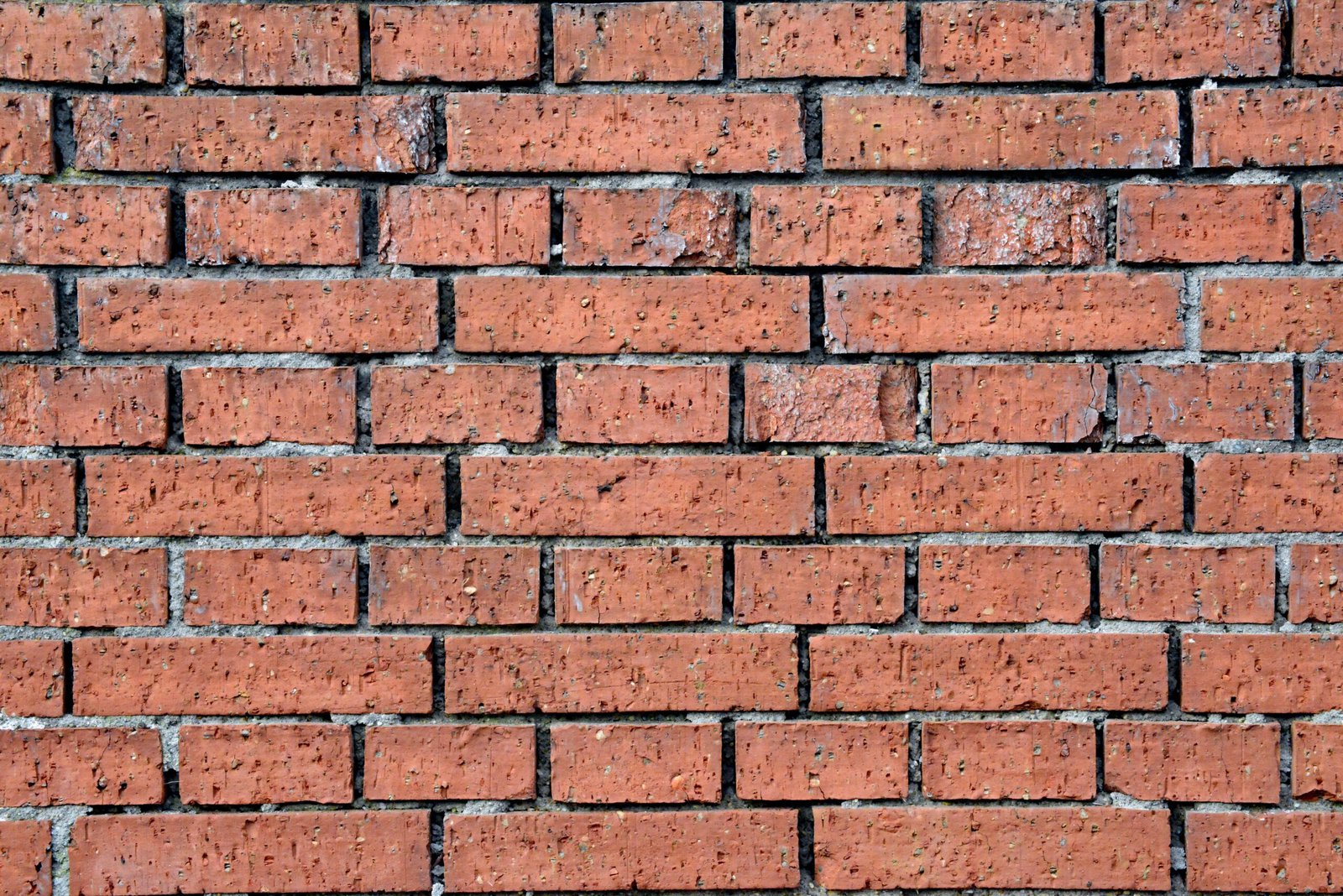
For centuries, brick has stood as a symbol of permanence, durability, and timeless beauty in architecture. The classic red brick facade evokes a sense of history and quality that few other building materials can match. However, traditional brick construction comes with significant challenges: it is heavy, expensive, labor-intensive, and often requires structural reinforcement that makes it impractical for many renovation and design projects. Enter thin brick—a revolutionary material that captures the authentic beauty of full-thickness brick without the weight, cost, and installation complexity. Also known as brick veneer or thin brick veneer, this innovative product has transformed the way architects, builders, and homeowners incorporate the charm of brick into their spaces. Typically measuring between ½ inch and 1 inch in thickness, thin bricks are manufactured using the same high-quality clay and shale as traditional bricks, fired in kilns to achieve the same rich colors and textures. Yet their reduced weight—approximately 15 pounds per square foot compared to much heavier full bricks—makes them versatile enough for applications that were previously impossible with traditional masonry. This comprehensive guide explores everything you need to know about thin bricks, from their manufacturing processes and aesthetic possibilities to practical installation techniques and design applications.
What Are Thin Bricks?
Thin bricks, often referred to as brick veneer, thin brick veneer, or brick thin veneer, are precisely what their name suggests: a thinner, lighter version of traditional clay bricks designed to mimic the appearance of full-thickness masonry. While conventional bricks measure approximately 3 5/8 inches in thickness, thin bricks typically range from ½ inch to 1 inch thick, with the most common residential products measuring around 7.5 inches long, 2.25 inches wide, and 0.5 inches thick. This significant reduction in thickness makes them substantially lighter and easier to handle, transport, and install. Despite their reduced size, thin bricks retain all the aesthetic qualities of traditional brickwork—the colors are true throughout the material, and when properly installed with mortar joints, they create the convincing appearance of a full brick wall. The most common face size for thin brick is the standard modular, with nominal dimensions of 2 2/3 inches by 8 inches, though economy modular sizes such as 4 inches by 12 inches are also popular for large commercial applications due to increased productivity and fewer visible mortar joints.
How Thin Bricks Are Manufactured
The manufacturing process of thin bricks is a fascinating blend of traditional craftsmanship and modern innovation. Like full bricks, thin bricks are made from a mixture of clay and shale—materials that originate as the very earth beneath our feet. The production process can follow several different methods, each imparting unique characteristics to the finished product. The extrusion method produces thin bricks with clean, straight edges that are ideal for modern, sleek design aesthetics. In this process, clay is fed through a pug mill for thorough mixing and then runs through an extruder where air is removed as the material is condensed. For thin bricks with slip or sand coatings, the clay is extruded as thinly as possible—typically between ¾ inch to ½ inch thick—and then cut to individual brick dimensions.
Another manufacturing method involves kiln-flashing using the kerf or “split-tile” process. This method produces thin bricks that are smooth on the face with clean edges, featuring a “keyed” or grooved back that improves adhesion to mortar or adhesive. The clay is extruded vertically and cut to width, with small sections of material removed from the center—similar to the core holes of a full brick—creating what appears to be two thin brick faces joined by cross-webbing. After drying and firing in the kiln, the two thin bricks are split apart using a hydraulic press tile splitter, leaving ridged backs for superior bonding.
Perhaps the most straightforward method involves saw-cutting thin slices from fired full bricks. In this process, full bricks are produced as normal and then a saw cuts a thin slice from the brick’s face, with water sprayed to reduce dust. This method offers the clearest benefit of enabling exact matching between full and thin brick products, since the thin brick literally comes from the same brick. It is also the only way to achieve a distressed, aged appearance, as thin bricks alone would break apart in a rumbler used to create textured edges. Manufacturers also produce matching corner units and edge caps through similar processes, ensuring that thin brick installations maintain a seamless, authentic appearance even at edges and corners.
Key Advantages of Choosing Thin Bricks
The growing popularity of thin bricks is driven by several compelling advantages that make them an attractive alternative to traditional masonry. The most significant benefit is their lightweight nature—thin bricks weigh substantially less than full bricks, making them suitable for installation on surfaces and structures that cannot support the weight of traditional masonry. This characteristic opens up creative possibilities for both interior and exterior applications where full bricks would be impossible or prohibitively expensive. The reduced weight also means easier handling during installation, lower transportation costs, and reduced structural requirements—no special footings or foundation reinforcement are typically needed.
Thin bricks offer substantial cost advantages as well. Because they use less raw material in manufacturing, they are generally more economical than full bricks. The ease of installation significantly cuts labor costs—a skilled mason can lay approximately twice the amount of thin bricks per day compared to full bricks, and projects can often be completed in a single day without waiting for curing before continuing with other work. For large-scale applications, innovative systems such as Brickwebb (thin bricks pre-adhered to mesh sheets) can speed up installation even further by allowing multiple bricks to be laid simultaneously in patterns like running bond and herringbone.
The versatility of thin bricks is another major advantage. They can be installed on virtually any surface—including drywall, plywood, concrete, and even existing tile or siding—using either thin set or thick set methods. This adaptability makes them ideal for both new construction and renovation projects where the goal is to transform outdated or damaged surfaces into beautiful masonry facades. Additionally, thin bricks come in an extensive range of colors, textures, and finishes, from classic reds and earth tones to contemporary whites and grays, allowing designers to achieve virtually any aesthetic vision. Some manufacturers even offer glazed thin bricks in bright, artistic colors, further expanding the creative possibilities.
Comprehensive Applications of Thin Brick
The lightweight and versatile nature of thin bricks makes them suitable for an impressive array of applications spanning both interior and exterior spaces. In exterior applications, thin brick siding has become increasingly popular for enhancing curb appeal and adding value to homes. Homeowners can use thin brick to transform an entire facade or create stunning accent features on portions of the exterior. The material is durable and weather-resistant, offering surface protection superior to walls without masonry while providing the timeless aesthetic of traditional brickwork. Thin brick is particularly effective for re-cladding homes previously covered with materials like vinyl or fiber cement that have suffered damage from weather or hail. Because of its lightweight nature, thin brick can be installed on almost any home’s existing structure without requiring additional foundation reinforcement.
Interior applications for thin bricks have exploded in popularity, with designers embracing the material for creating dramatic accent walls that serve as focal points in living rooms, bedrooms, and commercial spaces. The natural texture and warmth of brick add character and visual interest that cannot be achieved with paint or wallpaper. Fireplace surrounds represent one of the most popular interior uses—thin brick cladding transforms an ordinary fireplace into a stunning centerpiece that evokes the cozy charm of traditional hearths. Kitchen backsplashes made from thin brick offer both style and practicality, providing an easy-to-clean surface that creates a rustic, inviting atmosphere. Some creative homeowners have even used thin brick to create barreled ceilings with intricate herringbone patterns outlined by soldier coursing, demonstrating the material’s design flexibility. Thin brick flooring has also gained traction, particularly in high-traffic areas such as mudrooms, entryways, and commercial spaces where durability and easy maintenance are essential.
Landscaping and outdoor living spaces offer additional opportunities for thin brick applications. The material can be used to create charming garden paths, patios, and walkways that blend naturally with the landscape. Retaining walls constructed with thin brick provide both functional support and aesthetic enhancement, while pool areas and outdoor kitchens benefit from the slip-resistant properties and timeless beauty of brick surfaces. In commercial architecture, thin bricks are frequently used on building exteriors to achieve a prestigious masonry appearance at reduced cost, and in large buildings, economy modular sizes improve productivity by covering more area with fewer visible mortar joints.
Professional Installation Methods
Proper installation is crucial to the success and longevity of any thin brick project, and several established methods exist depending on the application and substrate. The thin set method involves installing thin bricks directly to the substrate using a thin layer of adhesive or modified mortar approximately 1/8 inch thick, making it suitable for interior applications where weight and thickness need to be minimized. This method does not require reinforcement lath and works well on clean, level surfaces such as drywall, cement backer board, or concrete. The thick set method is used for both interior and exterior applications and involves applying thin bricks to a mortar scratch coat that contains a reinforcing layer of metal lath or mesh. This approach provides superior strength and weather resistance, making it appropriate for exterior walls and other demanding environments.
Preparation is essential regardless of the installation method chosen. The wall surface must be clean, dry, and free of dirt, dust, or grease. Any holes, cracks, or uneven areas should be repaired and sanded smooth, and the substrate should be primed or sealed as appropriate to create an ideal bonding surface. For plywood substrates, metal lath should be attached securely and covered with a scratch coat of mortar that must cure for at least 24 hours before brick installation begins. Guidelines should be marked on the wall using a chalk line, and dry-fitting thin bricks helps plan the layout before mortar application. When installing, the thinset mortar should be spread with a notched trowel held at a 45-degree angle to create grooves that improve adhesion, and bricks should be pressed firmly into place, using spacer clips to maintain even gaps. A level should be checked regularly to ensure straight courses. For edges and corners, a wet saw or tile cutter provides precise cuts.
Post-Installation Care and Grouting
After the thin bricks are securely in place, grouting the joints is essential for achieving the authentic brick wall appearance and protecting the installation from moisture and debris. The surface should be thoroughly vacuumed to remove any dust before grout application. Selecting the right grout color and composition is critical—it should complement the thin brick’s color and texture while providing durability appropriate for the application. Grout can be applied using a grout bag or trowel, pressing it firmly into the joints to avoid gaps or voids. After filling, joints should be smoothed with a pointing tool or finger for a uniform finish, and excess grout wiped from brick surfaces with a damp sponge before it dries.
Applying a high-quality sealant after grout curing can significantly extend the life of a thin brick installation by protecting against moisture, stains, and wear. Regular maintenance simply involves cleaning with mild soap and water—harsh chemicals should be avoided as they may damage the finish. With proper care, thin brick installations can retain their beauty for decades, offering the timeless appeal of brickwork without the maintenance demands of traditional masonry.
Environmental Benefits
The brick industry has demonstrated a strong commitment to sustainability, and thin bricks offer several environmental advantages over many alternative building materials. Made from the earth’s natural clay and shale, thin bricks are manufactured through a process that has minimal environmental impact. Mining sites used to source raw materials are reclaimed after extraction and returned to a similar or better state than before mining began. The longevity and recyclability of brick result in very low net energy consumption across the product’s lifecycle. Thin bricks use significantly less raw material than full bricks—about half to one-third as much—while still delivering the same aesthetic appeal. Additionally, because thin bricks are lighter and thinner, more product can be transported per shipment, reducing transportation-related emissions. The ability to install thin bricks over existing surfaces without demolition also reduces construction waste and extends the life of existing structures. For homeowners and builders seeking environmentally responsible building materials, thin bricks represent a choice that combines sustainability with timeless beauty.
Thin Brick vs. Traditional Brick: A Comparative Analysis
Understanding the differences between thin bricks and traditional full bricks is essential for making informed material selections. Full bricks serve both aesthetic and structural functions in traditional masonry construction—they are load-bearing elements designed to support the weight of structures, requiring proper footings and foundation reinforcement. In contrast, thin bricks are purely decorative veneers that provide the appearance of brick without contributing structural support. This fundamental distinction makes thin bricks suitable for applications where full bricks would be impractical or cost-prohibitive, but it also means they cannot replace full bricks in structural applications. In terms of installation, full brick construction is labor-intensive and time-consuming, requiring skilled masons and significant mortar quantities, with projects often taking weeks or months to complete. Thin brick installations are faster, typically taking days rather than weeks, and are accessible to skilled DIY enthusiasts as well as professionals. The weight difference is substantial—full bricks require reinforced foundations and structural support, while thin bricks can be installed on standard wall construction without modifications. However, while thin bricks mimic the appearance of traditional brick convincingly, they do not offer the same level of thermal mass, fire protection, or sound insulation as full brick walls, though they do provide surface protection superior to walls without masonry.
Conclusion
Thin bricks represent a remarkable innovation in building materials, successfully bridging the gap between the timeless aesthetic appeal of traditional brickwork and the practical demands of modern construction. By capturing the authentic beauty, color depth, and texture of full-thickness bricks while offering dramatically reduced weight and installation complexity, thin bricks have opened up new creative possibilities for architects, builders, and homeowners alike. From stunning interior accent walls and fireplace surrounds to elegant exterior facades and durable flooring, the applications of thin bricks continue to expand as more people discover their versatility and charm. The variety of manufacturing methods—extrusion, kerf processing, and saw-cutting—ensures that thin bricks are available in styles ranging from sleek and modern to distressed and historic, with an extensive palette of colors and finishes to suit any design vision. The environmental benefits of using less material, reduced transportation costs, and the ability to install over existing surfaces without demolition further enhance the appeal of thin bricks as a sustainable building choice. Whether you are renovating a single room, updating your home’s exterior, or undertaking a major commercial project, thin bricks offer a practical, cost-effective, and beautiful solution for achieving the enduring charm of brick masonry. With proper installation and basic care, thin brick installations can provide decades of beauty and service, proving that sometimes the best innovations are those that make classic design more accessible to everyone.
Frequently Asked Questions
What exactly are thin bricks?
Thin bricks, also known as brick veneer or thin brick veneer, are lighter, thinner versions of traditional bricks, typically measuring between ½ inch and 1 inch thick. They are manufactured from the same kiln-fired clay and shale as full bricks and are designed to mimic the appearance of conventional brickwork while being easier to handle and install due to their reduced weight.
Can thin bricks be used both indoors and outdoors?
Yes, thin bricks are suitable for both interior and exterior applications. They can be installed on exterior facades, accent walls, fireplaces, backsplashes, flooring, and even landscaping features such as patios and walkways. The specific installation method and materials used may vary depending on whether the application is interior or exterior, with exterior installations typically requiring additional weatherproofing.
How do you install thin bricks?
Thin bricks can be installed using several methods, with the most common being thin set and thick set installation. The thin set method uses adhesive or modified mortar applied directly to the substrate, while the thick set method involves a mortar scratch coat with metal lath reinforcement for increased strength. Both methods require proper substrate preparation, including cleaning, repairing damage, and ensuring the surface is dry and level.
Are thin bricks expensive?
Generally, thin bricks are more cost-effective than traditional full bricks due to using less raw material during manufacturing and requiring less time and labor for installation. While prices vary depending on manufacturer and style, the overall project cost is typically lower than traditional brickwork, especially when factoring in reduced structural requirements and faster installation times.
Can I install thin bricks myself?
Many thin brick products are designed to be DIY-friendly, and with proper preparation and guidance, homeowners can successfully install thin bricks themselves. The lightweight nature makes them easier to handle than full bricks, and numerous online tutorials and resources are available. However, achieving professional-looking results requires careful planning, patience, and attention to detail, and large or complex projects may benefit from professional installation.


The Untold Story of Wendy Etris, the Pillar Behind AJ Styles
In the high-octane, glamorous world of professional wrestling, where the spotlight shines brightest on the larger-than-life characters inside the ring, it is often the quiet figures on the periphery who provide the true stability and strength that allow legends to thrive. The career of AJ Styles, universally acclaimed as one of the greatest professional wrestlers of all time, is a testament to this very principle. While his high-flying maneuvers and championship victories have earned him the moniker “The Phenomenal One,” the bedrock of his success is a grounded, dedicated, and fiercely private individual: his wife, Wendy Etris .
The Beginning: A High School Romance That Defined a Future
The story of Wendy Etris is inseparable from the story of Allen Neal Jones, the man the world would come to know as AJ Styles. Their narrative begins not in a grand arena or on a national stage, but in the more modest setting of Johnson High School in Gainesville, Georgia . It was here, in the mid-1990s, that a high school romance blossomed into a partnership that has now spanned over two decades.
Wendy, a cheerleader, and Allen, a member of the amateur wrestling team who would go on to become a two-time state champion, began their relationship in a moment that would define the rest of their lives . AJ, recognizing the profound connection he shared with Wendy, proposed to her on Valentine’s Day in 1996, a public declaration of commitment that she accepted . They would spend the next four years together, navigating the transition from high school sweethearts to a young married couple, before officially tying the knot on August 5, 2000 . This was not a marriage of convenience or circumstance; it was the deliberate union of two people who had grown up together and were determined to build a life side-by-side.
A Career of Choice: The High School Teacher Who Chose Substance Over Spotlight
In an era where proximity to celebrity is often leveraged for personal fame, Wendy Etris chose a drastically different path. Rather than stepping into the public eye, she built a respected and fulfilling career as a high school teacher . This choice is not a minor footnote in her biography; it is the defining characteristic that separates her from the typical celebrity spouse and underscores the values upon which the Jones family is built.
Wendy earned a bachelor’s degree in education and dedicated herself to the classroom, a profession that requires patience, intelligence, and a genuine desire to serve . Her commitment to this career was so profound that it played a pivotal role in shaping AJ’s early professional decisions. In the nascent stages of his wrestling career, when the World Wrestling Federation (WWF) offered him a developmental contract, AJ Styles famously turned it down . The reason was not a lack of ambition but a deep-seated respect for his partner’s goals. Accepting the offer would have required relocating, which would have interfered with Wendy’s college education. This sacrifice, made by AJ to honor Wendy’s career aspirations, solidified the mutual respect and partnership that defines their marriage . Wendy Etris is not just a supportive wife; she is a professional in her own right, an educator who has chosen a life of service and stability over the distractions of fame. It is believed that she continues to work as an educator, providing a sense of normalcy and purpose that is independent of her husband’s world-renowned career .
The Family Unit: Raising Four Children While One Parent Conquers the World
Balancing a demanding career as a professional educator and being the primary caretaker for four children while your spouse is a globe-trotting superstar is a feat of monumental proportions. Wendy and AJ Styles are the proud parents of three sons and a daughter: Ajay Covell, born in 2005; Avery, born in 2007; Albey, born in 2009; and their youngest daughter, Anney, born in 2014 .
Wendy has been the primary force in raising the children, ensuring that despite their father’s fame and extensive travel schedule, they maintain a sense of normalcy and stability . The family remains rooted in their home state of Georgia, a deliberate choice made by Wendy to keep her children grounded and away from the transient, often chaotic nature of the wrestling industry . AJ Styles has often spoken publicly about how his family provides the balance and perspective he needs, crediting Wendy with being the rock that holds everything together . She is the manager of the household, the keeper of routines, and the source of unwavering support, allowing AJ to focus on his career knowing that his family is in the safest and most capable hands .
A Public Presence Only When Necessary: Rare Appearances and Storyline Involvement
Wendy Etris has deliberately shunned the public eye. She maintains a private life that is a stark contrast to her husband’s, operating a social media account that is set to private and rarely granting interviews . However, there have been rare occasions where she has stepped into the public sphere, often to support AJ in a manner that fans found deeply compelling.
Her most notable involvement came during a heated 2018 feud between AJ Styles and Samoa Joe . Joe’s storyline villainy involved verbal attacks on Styles’ family, which brought Wendy and the children into the narrative. Her appearances at ringside and in video segments during this rivalry were praised for adding a layer of genuine emotion and realism that elevated the feud and highlighted the stakes for Styles . Though she was willing to participate for the sake of her husband’s career, these moments were brief, and she quickly retreated back to her quiet life once the cameras stopped rolling . Wendy’s role is, and has always been, as a supporter, not a performer, further emphasizing her preference for a life of privacy and purpose .
A Story of Unwavering Commitment
The story of Wendy Etris is not one of fame or fortune; it is a profound narrative of commitment, sacrifice, and love. While the world knows AJ Styles for his incredible in-ring abilities, those closest to the business and his fans understand that his success is built on a foundation that is a true partnership. Wendy Etris has remained a steadfast anchor, choosing a career as a dedicated educator and focusing on raising their four children . Their marriage, which has outlasted the transient relationships common in the entertainment industry, is built on a shared history, mutual respect, and a deep faith that guides their lives . In a life that could have been consumed by the spotlight, Wendy Etris chose to build a quiet legacy of strength, proving that the most powerful force behind a “Phenomenal” man is often a phenomenal woman who prefers to stay out of the spotlight .
Frequently Asked Questions (FAQs)
Who is Wendy Etris?
Wendy Etris, also known as Wendy Jones, is the wife of WWE superstar AJ Styles (Allen Neal Jones). She is a highly respected high school teacher and the dedicated mother of their four children .
When did Wendy Etris and AJ Styles get married?
Wendy and AJ Styles married on August 5, 2000, after getting engaged on Valentine’s Day in 1996. They were high school sweethearts .
How many children do AJ Styles and Wendy Etris have?
The couple has four children: three sons named Ajay Covell, Avery, and Albey, and one daughter named Anney .
What does Wendy Etris do for a living?
Wendy Etris is a career educator and works as a high school teacher. This career was so important to her that AJ Styles reportedly turned down an early developmental contract with WWE so that she could complete her education .
Is Wendy Etris active on social media?
No. Wendy Etris maintains a very private life and does not have a public social media presence. She prefers to stay out of the spotlight .

Takashi Morinozuka: Biography, Personality, Skills, and Role in Ouran High School Host Club

Yamaha TW200 Review: Specs, Performance, Pros and Cons, and Buying Guide

How to Adjust Door Hinges: A Complete Step-by-Step Guide

Charlie Rogers-Ciaffa: The Quiet Rise of a Hollywood Legacy Who Chose His Own Diamond

The Entrepreneur’s Operating System: Why Charfen.co.uk is Redefining Business Growth for UK Founders

Droven.io: The AI Knowledge Hub Reshaping How Professionals Understand Technology in 2026
 Entertainment3 months ago
Charlie Rogers-Ciaffa: The Quiet Rise of a Hollywood Legacy Who Chose His Own Diamond
- Tech3 months ago
The Entrepreneur’s Operating System: Why Charfen.co.uk is Redefining Business Growth for UK Founders
- Tech3 months ago
Droven.io: The AI Knowledge Hub Reshaping How Professionals Understand Technology in 2026
- Fashion2 months ago
The Ultimate Guide to Brick Patterns: Timeless Designs for Walkways, Patios, and Walls
- Tech3 months ago
Readmymanga com: The Comprehensive Guide to Features, Safety, and Legal Alternatives in 2026
- Fashion3 months ago
The Blazertje: Your Ultimate Guide to the Modern “Little Blazer” Taking Over Fashion
- Lifestyle3 months ago
Otelia Cox: The Quiet Strength Behind Hollywood’s Tony Cox
- Tech3 months ago
Voomixi com: The Ultimate Guide to This Digital Platform (Review, Features & User Experience)