
Sports
Lingfield Tips: The Ultimate Expert Guide to Cracking the Surrey Racecourse

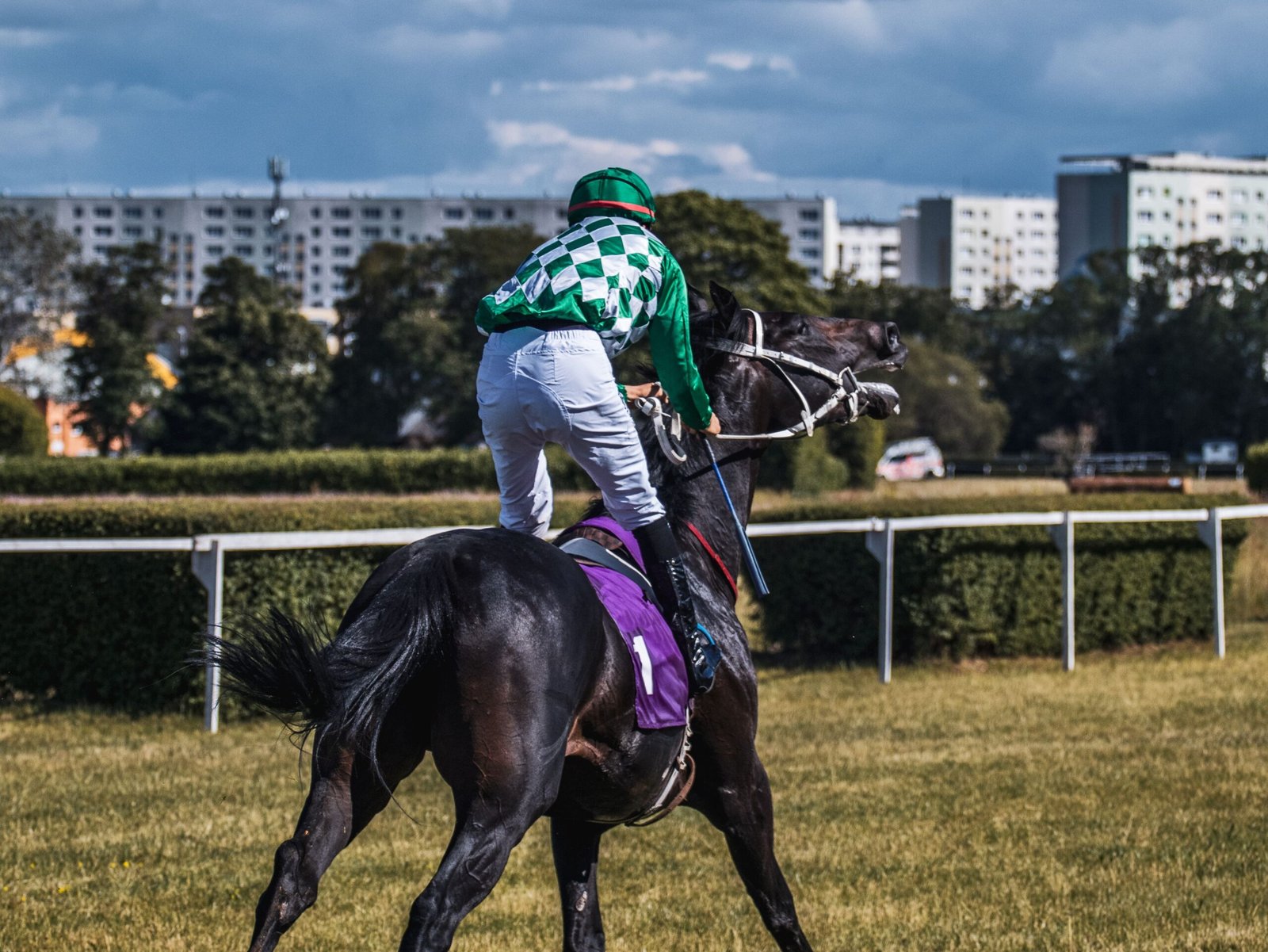
Introduction
Lingfield Park Racecourse, situated in the heart of Surrey, represents a unique challenge and opportunity for horse racing enthusiasts and punters alike. As a dual-code track that stages both Flat and National Hunt racing, it demands a sophisticated understanding of its distinct characteristics to consistently identify winners . For those seeking “Lingfield tips” that truly deliver, success hinges on far more than just picking a name from the racecard; it requires a deep dive into the specific factors that influence performance on its unique surfaces. Whether you are a seasoned bettor looking to refine your strategy or a newcomer hoping to make a confident start, this guide serves as your comprehensive resource for mastering the complexities of this popular racecourse.
The track’s all-weather Polytrack surface is perhaps its most defining feature for a significant portion of the racing calendar, creating a consistent but unique test of a horse’s ability. However, the ability to adapt to the vagaries of its turf course during the summer months adds another layer of complexity. By examining everything from the critical importance of running style and draw bias to the performance of top trainers and jockeys, we can begin to decode the data and move beyond guesswork. This guide is designed to equip you with the knowledge to make more informed betting decisions, turning the challenge of Lingfield into a rewarding puzzle to be solved.
Understanding the Lingfield Track: A Study in Contrasts
To generate profitable Lingfield tips, one must first grasp the fundamental nature of the course itself. Lingfield is a left-handed, dual-code track, meaning it hosts both Flat and jumps racing, which naturally affects how the course is configured and ridden . The all-weather Polytrack surface, which is a synthetic blend of sand, rubber, and wax, is designed for consistent performance and drainage, often creating a fairer, more uniform racing surface than turf . This consistency is key; horses that have proven form on this specific surface can often be relied upon to perform at a similar level. Conversely, the turf course, used for National Hunt and summer Flat meetings, introduces the variable of the going, which can range from heavy to firm and profoundly impact a race’s outcome .
One of the most significant aspects of handicapping at Lingfield, particularly on the all-weather, is the pronounced running style bias. In-depth analysis of results over many seasons has consistently shown that front-runners and prominent racers hold a distinct advantage, especially over the shorter sprint distances of 5f, 6f, and 7f . At the minimum trip of 5f, front-runners have a clear edge, and backing all front-runners in handicaps of eight or more runners over the years would have yielded a significant profit. On the other hand, horses that are held up at the back of the field early on are statistically at a significant disadvantage . This is crucial information when assessing a race; a horse with a known preference for racing from the front or just off the pace is often a more attractive betting proposition than a habitual hold-up performer, particularly in competitive sprint handicaps.
Trainer and Jockey Statistics: Following the Winning Trends
A key component of successful Lingfield tips lies in identifying which trainers and jockeys consistently perform well at the track. Some handlers have a remarkable knack for preparing their horses for this specific venue, and following their runners can be a highly profitable long-term strategy. The data reveals a clear list of trainers to follow and, just as importantly, a list to approach with caution .
Roger Varian stands out as the premier trainer at Lingfield, boasting a strong all-weather strike-rate and a level-stakes profit. His record is particularly impressive in certain niches, such as when his 3-year-old fillies run or when his horses are top-rated by speed figures . Other trainers with excellent records include Andrew Balding, who has the most winners at the track at a profit, and Mick Channon, who is a leading trainer on the turf . Conversely, the analysis also highlights trainers who have historically struggled at Lingfield, and it may be wise to avoid their runners unless there is a compelling reason to believe otherwise . Similarly, jockeys like Darragh Keenan, Joe Fanning, Sean Levey, and David Probert have all shown a profit when riding horses in the top four of the betting market, making them notable names to look out for .
Deciphering Lingfield Racecards and Form
Effectively reading a racecard is the bedrock of finding value in your Lingfield tips. It’s not just about looking at a horse’s last result; it’s about understanding the details behind that result. When analysing form, the primary consideration should be form on the Polytrack or turf. A horse that has won or placed consistently on Lingfield’s all-weather surface is far more trustworthy than one whose best form has come on an entirely different type of track. You should also pay close attention to the horse’s performance at the course and distance (C&D). A proven C&D winner or a horse that has run well over the same trip at Lingfield in the past has a significant advantage over rivals who are unproven in these specific conditions .
Furthermore, consider the conditions of the race. A horse running over a trip that is a slight step up or down in distance is worth a second look. For example, a horse that has been running well over 6f but is dropping back to a sharp 5f at Lingfield may be advantaged, as a sharper test can help a keen-going horse . The same applies to the going on the turf. A horse with good form in soft ground will be a much better bet on a rainy day than one who only performs on a firm surface. Finally, understand the nuances of the betting market itself; a horse that is a short-priced favourite has a good chance statistically, but often the real value lies in the second or third favourites, especially at this course .
Common Betting Strategies for Lingfield
Knowing how to bet is as important as knowing what to bet on, and certain strategies are particularly well-suited to Lingfield. In competitive handicap races, which often have large fields, each-way betting can be a highly effective strategy . Bookmakers frequently offer extra places in these races, meaning you could secure a return if your selection finishes in the top four, five, or even six, depending on the race conditions. This offers a margin of error and can be a more lucrative strategy than backing a horse to win outright, especially in a race that looks wide open.
For online punters, always look for bookmakers offering Best Odds Guaranteed (BOG) . This concession ensures that if the Starting Price (SP) of your selection is higher than the price you took when you placed your bet, you will be paid out at the bigger odds. This is a valuable edge, particularly on day-of-race betting when prices can fluctuate . Some of the more complex bets, like the Tote Placepot, are also popular at Lingfield. This involves picking a horse to place in the first six races of the card. While challenging, the pool can be lucrative, and expert guides often provide solid starting points for a perm . Ultimately, “each-way betting” with extra places and seeking out “Best Odds Guaranteed” are fundamental components of a smart punter’s approach at Lingfield.
Conclusion
Mastering the art of finding winning Lingfield tips is a process of accumulating knowledge and applying it with discipline. Success at this unique track is built upon a foundation of understanding its distinct characteristics: the bias towards front-runners on the all-weather, the importance of following the data on top-performing trainers and jockeys, and the need to dissect form with a focus on course and surface suitability. While no bet is ever a certainty, using this detailed analysis to guide your decisions can transform betting from a lottery into a more calculated and rewarding pursuit.
By integrating these insights into your handicapping process, you can start to identify the horses that are statistically more likely to outperform their odds. Remember to set a budget for your bets and to always treat them as part of the entertainment value of a day at the races. Whether you are at the track or betting online, the key is to stay informed, stay disciplined, and enjoy the unique thrill that Lingfield Park has to offer.
Frequently Asked Questions (FAQ)
What are the key factors to consider when looking for Lingfield tips?
The most important factors to consider are the horse’s form on the specific surface (Polytrack vs. turf), its running style (front-runners have a clear edge on the all-weather), the performance record of its trainer and jockey at the course, and its ability to handle the specific course and distance of the race .
Does the draw matter at Lingfield?
Analysis suggests that the draw has a limited impact on races at Lingfield, especially compared to some other tracks. While there may be a tiny edge for low draws in sprint races, it is generally not a decisive factor to base your entire selection on .
Who are the top trainers to follow at Lingfield?
Trainers such as Roger Varian, Andrew Balding, and Mick Channon have excellent records at Lingfield. Roger Varian, in particular, has a very strong all-weather strike-rate and a level-stakes profit .
What is the best betting strategy for Lingfield handicaps?
In competitive handicaps with large fields, an each-way bet, especially if you can secure extra places from the bookmaker, is often a sound strategy. Additionally, looking for Best Odds Guaranteed (BOG) on your online bets is always recommended .

Daniel Mara is an emerging football player who has attracted attention through his dedication, technical ability, and commitment to improving every aspect of his game. Football supporters are increasingly searching for information about Daniel Mara as interest grows in his performances, career development, and future prospects. Whether fans want to learn about his background, playing style, career achievements, or overall football journey, Daniel Mara continues to become a name worth following. This comprehensive guide explores everything currently known about Daniel Mara, including his biography, football career, strengths, development, and what may lie ahead as he continues to build his reputation in professional football.
Who Is Daniel Mara?
Daniel Mara is a football player recognized for his commitment, discipline, and determination to succeed in one of the world’s most competitive sports. Like many young footballers, his journey has been built through years of training, learning, and competing against talented opponents. Every stage of his development has contributed to his growth as a player, allowing him to improve technically, physically, and mentally. Fans searching for Daniel Mara often want to understand how he began playing football, the clubs he has represented, and the qualities that make him stand out on the pitch. His progress reflects the importance of persistence, continuous improvement, and dedication to achieving success in professional football.
Daniel Mara’s Football Career
Daniel Mara’s football career demonstrates the steady progression required to succeed in modern football. Every footballer faces challenges, competition, and constant pressure to improve, and Daniel Mara’s journey reflects these realities. Throughout his career, he has continued developing his tactical understanding, technical ability, and overall performance. Coaches value players who are willing to learn, adapt, and contribute consistently, and these qualities have helped shape Daniel Mara’s reputation. As he gains more experience, his performances continue to attract greater attention from football supporters interested in following his career path.
Playing Style and Strengths
One of the most interesting aspects of Daniel Mara is his playing style. Modern football requires players to combine technical skill, intelligence, fitness, and teamwork, and Daniel Mara continues working to strengthen these important qualities. His movement on the field, decision-making, work ethic, and ability to contribute during matches demonstrate his commitment to improvement. Successful football players must constantly adapt to different tactical systems, opponents, and match situations, making versatility an essential quality. Daniel Mara’s dedication to developing these attributes continues to support his progress as a football player.
Career Development and Growth
The development of any football player is rarely straightforward, and Daniel Mara’s journey reflects the importance of patience and consistent effort. Every season provides valuable opportunities to gain experience, improve technical skills, and better understand the tactical demands of the game. Coaches, teammates, and competitive matches all contribute to a player’s growth. Daniel Mara continues to build experience through training sessions and match performances, helping him mature as a footballer while preparing for future opportunities at higher levels of competition.
Why Football Fans Search for Daniel Mara
Interest in Daniel Mara continues to grow because football fans enjoy discovering talented players before they become widely recognized. Supporters often search for player biographies, career statistics, transfer news, playing style, and recent performances to stay informed. As Daniel Mara continues progressing, more fans are likely to follow his journey, monitor his performances, and evaluate his potential for future success. Football enthusiasts appreciate players who demonstrate determination, professionalism, and continuous improvement, qualities that contribute to increasing interest in Daniel Mara.
Daniel Mara’s Future Potential
Football is constantly evolving, and young players have many opportunities to build successful careers through dedication and consistent performances. Daniel Mara has the opportunity to continue improving every aspect of his game while gaining valuable experience at increasingly competitive levels. Continued development, strong performances, and professional discipline will play an important role in shaping his future. Many successful footballers began their careers with gradual progress before reaching higher levels of recognition, making patience and long-term development essential components of football success.
Why Daniel Mara Continues to Gain Attention
The increasing number of online searches for Daniel Mara reflects growing curiosity among football supporters. Fans want reliable information about his football journey, achievements, career progression, and future ambitions. As his career develops, updated information regarding matches, performances, and milestones will likely generate even greater interest. This growing attention demonstrates how modern football fans closely follow emerging players and appreciate learning about their development both on and off the field.
Conclusion
Daniel Mara represents the determination, discipline, and commitment required to build a successful football career. His journey highlights the importance of continuous improvement, hard work, and learning from every experience. As he continues developing his abilities, football supporters will undoubtedly remain interested in his performances, achievements, and future opportunities. Whether you are researching Daniel Mara’s biography, football career, playing style, or future potential, following his progress offers an excellent opportunity to watch the development of an ambitious football player striving to reach higher levels of success.
Frequently Asked Questions (FAQ)
1. Who is Daniel Mara?
Daniel Mara is a football player known for his dedication, continuous development, and commitment to improving his performance.
2. Why is Daniel Mara becoming popular?
Interest in Daniel Mara is growing as football fans search for information about his career, performances, and future potential.
3. What is Daniel Mara known for?
He is known for his football career, technical development, and commitment to improving his game.
4. What position does Daniel Mara play?
His position depends on the team and competition in which he plays. Check official club sources for the latest squad information.
5. Why do people search for Daniel Mara online?
Fans commonly search for his biography, football career, statistics, achievements, and latest updates.
6. What is Daniel Mara’s future potential?
With continued development, experience, and consistent performances, Daniel Mara has the opportunity to further progress in his football career.
7. Where can I follow Daniel Mara’s latest updates?
Official club announcements, league websites, and verified social media accounts are the best sources for the latest news and match updates.
Sports
The Ultimate Guide to Sport Booklets: From Design and Branding to SEO Strategy and Fan Engagement


Introduction
Nestled in the heart of the Somerset countryside, Wincanton Racecourse stands as one of British horse racing’s most cherished jewels. Unlike the glitz and glamour of Ascot or the prestige of Cheltenham, Wincanton offers something arguably more valuable: authentic, intimate, and fiercely competitive National Hunt racing that has captured the hearts of racing purists for over 150 years. From its humble beginnings at Hatherleigh Farm in 1867 to its current status as a Jockey Club Racecourse, Wincanton has consistently delivered drama, surprises, and world-class sporting moments that resonate far beyond its rural setting. This comprehensive guide explores everything you need to know about Wincanton races, from its storied history and unique track characteristics to practical tips for punters, families, and first-time visitors seeking to experience one of the most welcoming racecourses in the South West.
A Rich History Rooted in Somerset Tradition
The story of Wincanton Racecourse is intrinsically woven into the fabric of Somerset’s rural heritage. Long before formal racing began, hunting men would compete in cross-country chases across the local countryside, particularly at Hatherleigh Farm on the edge of Wincanton . These informal matches gradually evolved into organised races, and following the formation of the National Hunt Committee in 1861, the stage was set for Wincanton’s official racing debut. The first meeting took place on 1st August 1867, attracting several thousand spectators who arrived dressed in their finest attire, apparently as though they were attending the Derby . This remarkable turnout, given that the average agricultural labourer of the era earned just twelve shillings a week and had virtually no holiday entitlement, speaks volumes about the community’s passion for the sport and the event’s significance as a rare day of recreation .
The early meetings at Hatherleigh Farm laid the foundation for what would become a beloved institution. In 1893, the Wincanton Hunt Steeplechases were formed, with the first meeting held on Easter Bank Holiday under Grand National Rules, the inaugural race won by MacDuff, ridden by Laurence McCreery . By 1897, a formal company had been incorporated and leases obtained on the Hatherleigh land, with racing continuing under National Hunt Rules. However, the First World War brought racing to a halt, and the post-war period proved financially challenging for the company. The intervention of Lord Stalbridge, who became chairman in 1921 and injected much-needed capital, proved pivotal in securing Wincanton’s future . When the lease on Hatherleigh Farm expired in 1925, Lord Stalbridge helped the company purchase Kingwell Farm on the high ground above Wincanton, where a new course was laid out at considerable expense. The first meeting at the present site was held on Easter Monday 1927, establishing the racecourse in its current home .
The Second World War brought further challenges, as the racecourse was requisitioned by the military and fell into significant disrepair. By the summer of 1945, the running rails and stand in the public enclosure had been demolished, and most buildings required restoration . When the course failed to sell at auction, former estate manager Harry Dufosee formed a syndicate of ten sporting friends who purchased the property and, under wartime restrictions on agricultural labour, personally undertook the necessary repairs to hold the first post-war meeting in October 1945 . This spirit of community resilience has defined Wincanton ever since, and in 1966, the racecourse became the second venue after Cheltenham to join the Racecourse Holdings Trust, now Jockey Club Racecourses, ensuring its long-term security and stability .
Track Characteristics and What Makes Wincanton Unique
Understanding the distinct character of Wincanton’s track is essential for anyone seeking to appreciate the racing or make informed betting decisions. Wincanton features a right-handed, sharp oval configuration with a perimeter of approximately one mile and three furlongs . The course is exclusively for National Hunt racing, with separate chase and hurdle tracks that provide a thorough test of both speed and jumping ability. The chase course includes nine stiff fences per circuit, with heights typically ranging from four feet six inches to four feet seven inches, constructed as portable birch obstacles that demand bold and accurate jumping from competitors .
Perhaps the most distinctive feature of Wincanton’s layout is the positioning of three fences closely spaced in the home straight, which creates a demanding final test for both horse and rider. This section of the course requires exceptional stamina, precise handling, and the ability to maintain momentum through a series of quick obstacles . The sharp turns on the oval configuration mean that horses must be well-balanced and responsive, with front-runners often enjoying a significant advantage, particularly on firmer ground where Wincanton becomes one of the sharpest tests in British jump racing . The hurdle course is more galloping in nature, featuring a downhill run for much of the circuit before a moderate uphill finish that adds a stamina element to races .
These track characteristics have a profound impact on racing outcomes and provide valuable insights for punters. The sharp nature of the course favours horses with good tactical speed and the ability to jump accurately, while the tight turns mean that hold-up horses often find it difficult to close ground on the leaders, especially when the going is good or faster . As one course guide notes, the three fences in the short home straight give horses held up for a late run little time to recover lost ground, making the ability to travel well and jump fluently paramount . The going conditions at Wincanton can be highly variable, with descriptions ranging from heavy through to firm, and the Clerk of the Course provides regular updates on ground conditions . Understanding this connection between track layout, ground conditions, and running styles is crucial for anyone looking to identify value in Wincanton races.
Key Fixtures and Feature Races
Wincanton’s racing calendar is anchored by several prestigious fixtures that attract top-class horses, trainers, and jockeys, cementing the course’s reputation as a vital part of the National Hunt season. The venue hosts seventeen meetings annually during the jumps season, running from autumn through to late spring . Among these fixtures, three stand out as the highlights of Wincanton’s year, each offering distinctive racing and significant prize money.
The Badger Ales Trophy, held in November, is a historic handicap chase over three miles and one and a half furlongs that was first established in 1962 and has produced numerous memorable winners over the decades, with Paul Nicholls’ horses featuring prominently in recent years . The race serves as an early-season test of stamina and jumping ability, often providing a reliable guide to form for the major spring festivals. The Boxing Day meeting has become something of a Somerset institution, drawing large crowds to the Lord Stalbridge Memorial Handicap Chase, a race that pays tribute to the chairman who played such a crucial role in saving the course in the 1920s . This fixture is particularly popular with families and casual racegoers, creating a festive atmosphere that has earned Wincanton regular recognition as the Best Small Racecourse in the South West .
Perhaps the most important race on Wincanton’s calendar is the Grade 2 Kingwell Hurdle, held in February and serving as a traditional trial for the Champion Hurdle at the Cheltenham Festival . First run in 1971 and won on its inaugural staging by the Fred Winter-trained Bula, ridden by Richard Pitman, the Kingwell Hurdle has become a key stepping stone for horses targeting the championship race at Cheltenham . The race’s two-mile distance and the demands of Wincanton’s sharp, flat track provide an excellent test of a horse’s speed and jumping accuracy, making it a reliable indicator of Champion Hurdle prospects. The proximity of leading trainers such as Paul Nicholls, whose Ditcheat yard is only about ten miles from the course, means that Wincanton fixtures regularly attract top-quality runners and jockeys, creating fiercely competitive racing that rewards close attention .
Betting Insights and Punter’s Guide
Successful betting at Wincanton requires an understanding of the course’s unique characteristics and how they influence race outcomes. The track’s sharp, right-handed oval configuration creates specific biases that savvy punters can exploit. Front-runners are particularly well-suited to the chase course, as the ability to establish an early lead and maintain momentum through the tight turns and the closely spaced fences in the home straight often proves decisive . Conversely, horses held up for a late run frequently find themselves at a disadvantage, struggling to make up ground in the short home straight when the fences come quickly. This makes the track a fascinating venue for tactical races where early speed and accurate jumping are at a premium.
Recent form and track records are essential considerations when assessing Wincanton runners. Several trainers have established outstanding course records, with Paul Nicholls dominating the Wincanton winners’ list, recording approximately seventy-one winners with a strike rate of about thirty-three percent, reflecting both his local knowledge and the quality of horses he sends to the course . Joe Tizzard’s yard has been notably profitable for each-way backers, with twenty-five winners at a level-stakes profit, while Jeremy Scott has also maintained a strong record as a leading local Somerset trainer . Jockeys with strong recent form at Wincanton should also attract attention, with At The Races’ Smart Stats providing valuable data on hot and cold jockeys and trainers ahead of each meeting, revealing those with the highest strike rates, profitable returns, or runners on losing streaks .
Beyond trainer and jockey statistics, several other factors deserve consideration when betting at Wincanton. The going report is critical, as ground conditions can have a significant impact on race outcomes, with the course’s flat, sharp configuration making it particularly testing on heavy ground . Beaten favourites and horses wearing headgear can also provide betting clues, as a horse that was narrowly defeated last time out may improve significantly or the addition of cheek pieces or a tongue strap may help address previous issues . Class droppers, horses that have won off higher handicap marks in the past, and the distance travelled to the course are all additional metrics that can help identify potential value bets . The in-field betting ring with on-course bookmakers and the Tote offers trackside betting facilities, with cash still accepted for bets, although contactless payments are now recommended . For those who prefer to bet online, comparing bookmakers and seeking Best Odds Guaranteed terms can enhance value, while each-way betting in bigger-field handicaps often offers the best value with extra places frequently available .
Planning Your Visit: Practical Information for Racegoers
A visit to Wincanton Racecourse promises a memorable day out in beautiful Somerset countryside, with practical arrangements designed to welcome both seasoned racegoers and first-time visitors. The racecourse is conveniently located approximately one mile north of Wincanton town centre, just off the B3081 which branches from the A303 trunk road, making it easily accessible by car from London, Bristol, and the wider South West region . Free parking is available in the main car park, although advance booking is recommended on busy racedays to secure a space . For those using public transport, Templecombe station on the London Waterloo to Exeter line is about four miles away, with a complimentary raceday shuttle service often operating to transport passengers directly to the course, providing a convenient option for those travelling by train .
Tickets for racedays at Wincanton start at approximately £18 for general admission, with different enclosures offering varying levels of access and facilities . The Grandstand and Premier Enclosures both offer views of the parade ring, while the Course Enclosure provides a more relaxed, budget-friendly option . Advance ticket purchases are strongly recommended, as they reduce entry times on the day and may be cheaper than walk-up prices . Ticket delivery is via email as print-at-home or mobile tickets, with the option to import tickets into the official Wincanton Racecourse app for easy access . Children under 18 are welcome free of charge at most fixtures when accompanying an adult, although availability may be limited on high-demand racedays, making Wincanton an appealing option for family days out . For visitors with disabilities, designated elevated viewing platforms, wheelchair-accessible areas, and lift access to restaurants and hospitality boxes are available, and personal assistants can be accommodated free of charge with prior arrangement .
The raceday experience at Wincanton is enhanced by a range of hospitality and catering options, although visitors should note that the racecourse operates a cashless basis in concessions, with card payments recommended, although cash is still accepted for betting with on-course bookmakers and the Tote . No cash machines are available on site, but the Tote offers cashback when placing bets . Visitors are generally not permitted to bring food or drink into the main enclosures and stands, except for those with allergies, intolerances, or medical requirements, who should contact the racecourse in advance . Baby and toddler food is permitted, and the venue’s restaurants and hospitality boxes can cater for dietary requirements with sufficient notice . Dogs are not permitted within the racecourse except for assistance dogs, although on Boxing Day only, dogs are allowed in the Course Enclosure, providing a rare exception for the festive fixture . The official Wincanton Racecourse app enhances the day with live racecards, interactive maps, and news updates, making it a valuable tool for navigation and staying informed about runners, riders, and results .
Conclusion
Wincanton Racecourse embodies everything that makes National Hunt racing so beloved in Britain: tradition, community, and the unique drama that unfolds when talented horses and skilled jockeys tackle a demanding, distinctive track. Its journey from humble beginnings at Hatherleigh Farm to its current status as a Jockey Club Racecourse reflects the resilience and passion of local people who refused to let their racecourse disappear. The sharp, right-handed layout, the closely spaced fences in the home straight, and the challenging terrain create a test that rewards bold jumping and tactical speed, making every race a compelling spectacle. The major fixtures, from the Badger Ales Trophy to the prestigious Kingwell Hurdle, attract top-class horses and provide a crucial guide for the Cheltenham Festival and other major events. For punters, understanding the course biases, the records of trainers and jockeys, and the influence of ground conditions can unlock significant value. And for families and first-time visitors, Wincanton offers a welcoming, intimate raceday experience that few other venues can match. Whether you are drawn by the racing, the atmosphere, or the chance to spend a day in the heart of the Somerset countryside, Wincanton races deliver an experience that is both authentic and unforgettable.
Frequently Asked Questions
What is Wincanton Racecourse best known for?
Wincanton is best known for its Grade 2 Kingwell Hurdle, a key Champion Hurdle trial held in February, the Badger Ales Trophy in November, and its popular Boxing Day meeting featuring the Lord Stalbridge Memorial Handicap Chase. It is a National Hunt (jumps) racing venue renowned for its sharp, right-handed oval track and intimate, friendly atmosphere.
When is the racing season at Wincanton?
Wincanton holds approximately seventeen meetings during the National Hunt season, which runs from October through to May, with fixtures listed on the official Jockey Club Racecourses website.
How do I get to Wincanton Racecourse?
Wincanton is located off the A303 in Somerset. The nearest train station is Templecombe, about four miles away, and a complimentary raceday shuttle service is often available. Free on-site parking is also provided.
Can I bring my children to the races?
Yes, children are very welcome. Under 18s can attend most fixtures free of charge when accompanying an adult. Tickets are subject to availability and may be limited on high-demand days.
What is the dress code at Wincanton?
There is no strict dress code, but smart casual is recommended. The venue’s website provides inspiration for what to wear, and many visitors dress smartly for the occasion.
Can I bet at Wincanton?
Yes, on-course bookmakers and the Tote operate at every British racecourse, and you can also bet online. Cash is still accepted for betting, but contactless payments are now recommended.
Are dogs allowed at Wincanton?
Dogs are not permitted within the racecourse, except for assistance dogs. On Boxing Day only, dogs are allowed in the Course Enclosure.
Is the racecourse accessible for disabled visitors?
Yes, Wincanton offers a range of accessible facilities, including designated viewing platforms, wheelchair-accessible areas, and lift access to restaurants and hospitality boxes.
What is the going at Wincanton?
The going describes ground conditions and can range from heavy to firm. The Clerk of the Course provides regular updates, and a “Going map” showing course variations is often available.
Is there Wi-Fi at Wincanton?
Yes, free Wi-Fi is available throughout the racecourse.

Daniel Mara: Biography, Football Career, Playing Style, Stats, and Latest Updates

365 Days Boat Scene: Meaning, Context, Filming Details, and Why It Became So Popular

Animopron: The Complete Guide to the Streaming Platform for Entertainment Viewers

The Entrepreneur’s Operating System: Why Charfen.co.uk is Redefining Business Growth for UK Founders

Charlie Rogers-Ciaffa: The Quiet Rise of a Hollywood Legacy Who Chose His Own Diamond

Readmymanga com: The Comprehensive Guide to Features, Safety, and Legal Alternatives in 2026
 Tech1 month ago
The Entrepreneur’s Operating System: Why Charfen.co.uk is Redefining Business Growth for UK Founders
- Entertainment1 month ago
Charlie Rogers-Ciaffa: The Quiet Rise of a Hollywood Legacy Who Chose His Own Diamond
- Tech1 month ago
Readmymanga com: The Comprehensive Guide to Features, Safety, and Legal Alternatives in 2026
- Tech1 month ago
Droven.io: The AI Knowledge Hub Reshaping How Professionals Understand Technology in 2026
- Tech1 month ago
Voomixi com: The Ultimate Guide to This Digital Platform (Review, Features & User Experience)
- Fashion1 month ago
The Blazertje: Your Ultimate Guide to the Modern “Little Blazer” Taking Over Fashion
- Lifestyle1 month ago
Murray Hone: The Canadian Hockey Player Who Chose Privacy Over Hollywood Fame
- Tech1 month ago
The Ultimate Guide to Webinkey.com: Unlocking Digital Success and Web Solutions