Art
The Ultimate Guide to “Canvas As”: Unlocking Its Full Potential Across Industries

Introduction
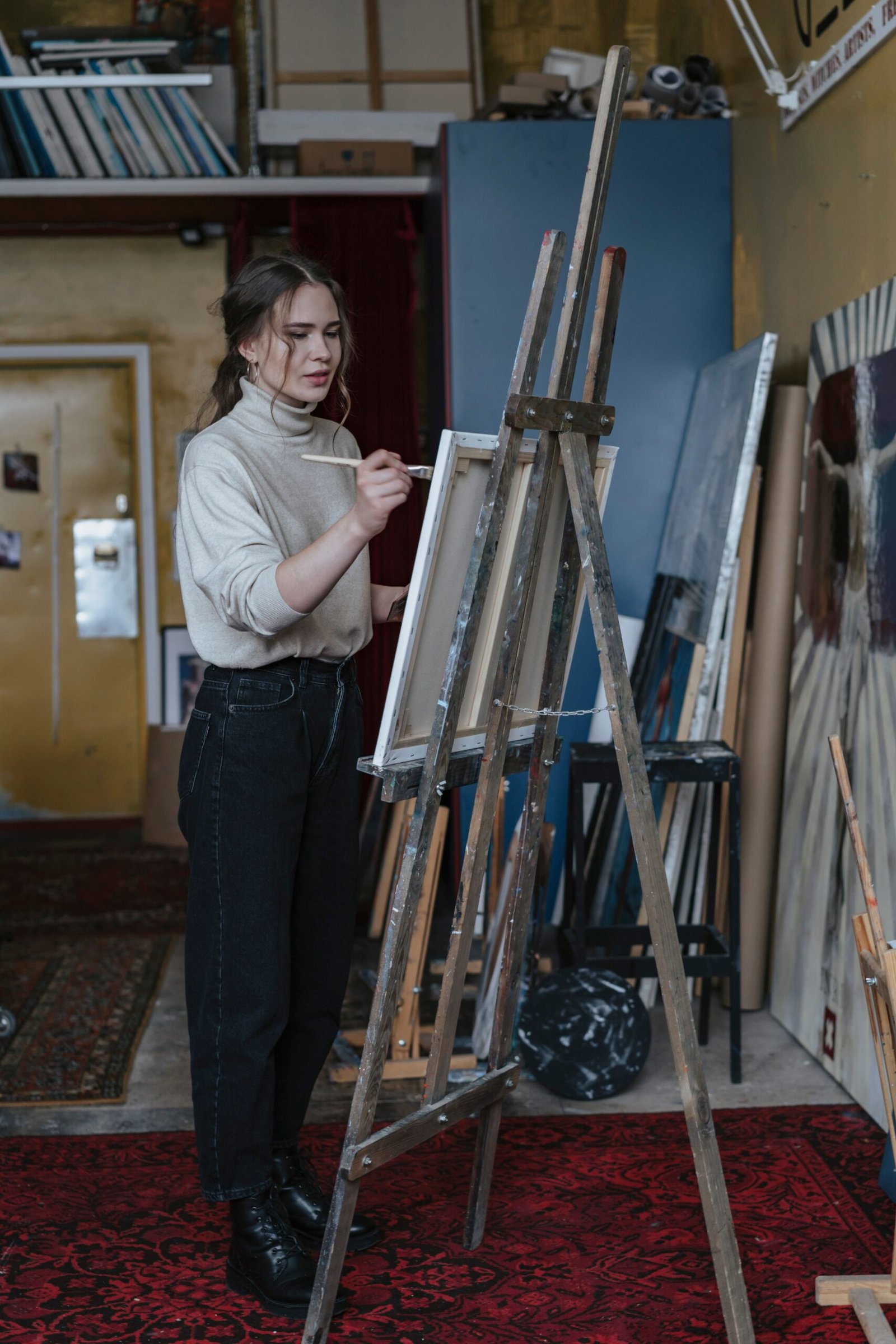
The word “canvas” frequently evokes canvas asu images of stretched linen, paint-splattered artist studios, and classic masterpieces. However, in the contemporary landscape, the term has evolved to encompass a far broader and more dynamic range of meanings. When we talk about “canvas as,” we are exploring the versatility of this concept as a foundational tool across multiple domains. From its traditional roots in the art world to its sophisticated applications in digital marketing, education technology, and web development, the canvas serves as a metaphor for potential and a platform for creation. Understanding “canvas as” is not just about defining a word; it is about recognizing a powerful paradigm that supports innovation, learning, and expression . This guide will delve into the primary interpretations of “canvas as,” exploring how it functions in education as a learning management system, in web development as a dynamic graphical element, and in the creative economy as both a physical product and a tool for search engine optimization . By examining these facets, we aim to provide a comprehensive overview that highlights the critical role of the canvas in modern professional and creative workflows.
“Canvas As” a Digital Art and Printing Medium
In the creative sector, the concept of the canvas has expanded to meet the demands of the digital age. “Canvas as” a physical medium continues to be the preferred choice for reproductions of digital art and photography. This is because canvas prints offer a texture and aesthetic depth that mimics traditional paintings, adding a layer of artistic legitimacy to modern digital creations . For artists and photographers, selling their work as canvas prints is a primary revenue stream.
However, the digital transformation goes beyond just the final product. The design workflow itself has been revolutionized, which leads us to a critical intersection: the relationship between design tools and search engine optimization. When thinking about “canvas as” a tool for content creation, the SEO aspect cannot be ignored. For instance, designers using platforms like Adobe Express or Canva to create marketing materials need to ensure their creations are discoverable. This is where AI-powered tools like “SEO Booster” come into play, reading content from the design canvas to generate essential keywords and alt texts . Similarly, for websites created with Canva, the platform automatically uses the design title as the browser tab preview and the page description as the meta description for search results .
For niche canvas art shops, the concept of “canvas as” a product requires a sophisticated SEO strategy to compete with mass-market giants. Generic terms are highly competitive; therefore, successful shop owners focus on long-tail keywords and room-specific content. Instead of “canvas prints,” a shop specializing in historical art might target “viking canvas wall art” or “medieval castle canvas print.” This approach, combined with adding informative content to category pages and linking blog posts to product collections, helps these smaller businesses rank higher on search engines by catering to a specific, motivated audience .
“Canvas As” a Learning Management System (LMS)
One of the most prominent and powerful modern interpretations of “canvas” is its role as an educational technology platform. “Canvas as” a Learning Management System (LMS) represents a significant shift in how education is delivered and managed. Canvas by Instructure is a cloud-native, user-friendly platform that has become the backbone of digital learning for many of the world’s top institutions . It is widely praised by teachers and students for its intuitive interface, customizability, and mobile accessibility, making it an ideal “home base” for online and blended learning .
The influence and reliability of Canvas in the academic world are staggering. It holds greater market share in US higher education than its next three competitors combined—Blackboard, Moodle, and D2L Brightspace . This dominance is reflected in its adoption by all ten of the top U.S. universities, including Harvard, Stanford, and MIT . Institutions like Duke University and the University of Wisconsin System have migrated to Canvas from other platforms citing its superior usability, support, and ability to foster system-wide collaboration . The platform’s cloud-native architecture ensures zero downtime for updates and has maintained a 100% uptime record throughout 2025, a critical factor for institutions requiring reliability .
“Canvas as” an LMS is not just a repository for course materials; it is a dynamic environment designed to empower both educators and learners. Instructors can use it to facilitate discussions, administer quizzes, provide transparent assessment rubrics, and use integrations like Padlet for collaborative brainstorming . The platform’s focus on usability ensures that the technology supports teaching rather than hindering it. This is further evidenced by its high satisfaction ratings, with 94% of educators praising its efficient course organization tools. Its success is such that it consistently wins numerous awards for usability and assessment in industry reports, solidifying its position as the leading choice for educational institutions and corporate learning alike .
“Canvas As” an HTML Web Development Tool
In the realm of web development, “canvas as” defines a groundbreaking technical capability. The HTML5 <canvas> element is a powerful tool that allows developers to create dynamic, interactive graphics directly within a web browser using JavaScript . It functions as a programmable drawing surface, enabling the generation of everything from simple shapes and data visualizations to complex animations and full-fledged video games . Before the advent of HTML5, achieving such interactivity required third-party plugins like Flash; the introduction of the canvas element has made rich visual content a native part of the web .
“Canvas as” a programming construct is rooted in its 2D drawing context. While the element itself is defined in HTML, its drawing capabilities are unlocked through JavaScript. The process begins by retrieving the canvas element from the Document Object Model (DOM) and using the getContext("2d") method to access its drawing API . This context is the key to the canvas’s power. It provides methods to draw rectangles, lines, arcs, and text, and to control properties like color, stroke, and fill . The coordinate system is pixel-based, starting at the top-left corner, which aligns with how developers often think about layout on a screen .
This capability is not static; “canvas as” an interactive element can respond to user input and update in real-time. For instance, developers can create simple animations by repeatedly clearing and redrawing the canvas, simulating movement . Furthermore, the potential of the canvas is being expanded by modern AI tools. ChatGPT Canvas, for example, facilitates collaborative coding by allowing users to generate, modify, and port code (e.g., from Python to JavaScript) for canvas-based visualizations, making the process more accessible and iterative . While primarily a 2D tool, the canvas element is a foundational technology for creating immersive web experiences, and its capabilities are often enhanced by powerful libraries like Three.js for 3D rendering .
Conclusion
The concept of “canvas as” is a testament to the evolving canvas asu nature of language and technology in our modern world. As we have explored, the term has moved far beyond its original definition, weaving itself into the fabric of digital education, web development, and creative commerce. In the form of the Canvas LMS, it is the architect of a modern, connected, and efficient educational experience, empowering millions of students and educators globally. As the HTML <canvas> element, it is the painter’s brush for the web, enabling developers to script complex visuals and interactive applications that define the modern internet. And in the creative market, “canvas as” a product bridges the gap between digital art and physical decor, its success reliant on a savvy understanding of SEO and target audiences.
Ultimately, the true power of “canvas as” lies in its role as a platform for potential. Whether it is the structured environment of an online classroom, the infinite possibilities of a blank web page, or the textured surface of a high-quality print, the canvas is a starting point. It is a space where ideas are visualized, skills are developed, and value is created. Recognizing these diverse applications allows professionals, educators, and creators to leverage the canvas as a foundational tool in their respective fields. To understand “canvas as” is to understand the intersection of creativity, technology, and utility that drives progress across the digital and physical worlds.
Frequently Asked Questions (FAQ)
1. What is the primary purpose of the Canvas Learning Management System (LMS)?
Canvas LMS is designed to help educational institutions manage digital learning. It provides a centralized platform for instructors to house course materials, create and grade assignments, facilitate discussions, and communicate with students. Its goal is to support teaching and learning in a flexible, user-friendly online environment .
2. How is an HTML <canvas> different from a standard HTML image element?
The <img> element is used to display a static image file, such as a JPEG or PNG. The <canvas> element, by contrast, is a dynamic drawing surface. It is initially blank and requires JavaScript to draw shapes, text, or images on it. This allows for real-time interactivity, animations, and the generation of graphics based on user input or data .
3. What are the key benefits of using Canvas LMS for higher education institutions?
Key benefits include its cloud-native reliability (with no downtime for updates), high usability (often resulting in faster instructor onboarding), accessibility features, and a robust, open ecosystem. It has consistently high user satisfaction ratings and is favored by top universities for its ability to meet complex needs at scale .
4. Why is it important to use specific keywords for a canvas art shop?
Using specific, “long-tail” keywords is crucial for a canvas art shop to compete against larger retailers. Generic terms like “canvas prints” are extremely competitive. Targeting niche keywords such as “viking canvas wall art” or “canvas prints for bedroom” helps the shop reach customers who are looking for exactly what they sell, resulting in higher conversion rates and better search engine rankings .
5. What kind of content can be created with the HTML Canvas element?
The HTML Canvas can be used to create a wide variety of content, including simple shapes (rectangles, circles, lines), complex data visualizations (charts and graphs), photo manipulations, interactive elements (like drawing apps), and animations for games and simulations. Its versatility makes it a powerful tool for web developers .
6. Is Canvas LMS only for schools and universities?
No. While it is extremely popular in K-12 and higher education, Canvas is also used as a Corporate Learning Management System. Businesses use it to onboard employees, deliver training, and manage professional development. Its flexibility makes it suitable for any organization that needs to manage learning and development programs .


Introduction
In today’s rapidly evolving digital landscape, the concept of design has transcended mere functionality to become a powerful expression of identity, culture, and aspiration. The pursuit of trendy designs is no longer confined to the realms of fashion and interior decoration; it has permeated every facet of our lives, from the websites we browse to the products we purchase and the spaces we inhabit. Understanding and implementing trendy designs is about capturing the zeitgeist, reflecting current cultural moods, and anticipating the desires of a generation that searches not just for products, but for a feeling, a lifestyle, and an aesthetic that helps them express who they are . This comprehensive guide delves deep into the multifaceted world of trendy designs, exploring everything from aesthetic keywords and SEO strategies to the specific design trends set to dominate the near future, providing you with the knowledge and tools to create a powerful, influential brand in this dynamic environment.
The journey into trendy designs begins with a fundamental shift in perspective: it is about moving beyond the literal to embrace the evocative. In the past, a consumer might have searched for a “black leather purse,” but the modern shopper, particularly from younger demographics, is more likely to search for “clean girl hoops” or “coastal grandma jewelry” . This evolution in search behavior underscores the importance of “vibe-based” or aesthetic keywords, which prioritize the emotional resonance and lifestyle association of an item over its simple, functional description. To succeed in this new landscape, one must blend classic descriptors with these aesthetic-driven terms, ensuring that products and content are discoverable by a generation that navigates the world through the lens of curated visual identities and cultural shorthand. The trendiest designs are those that can be instantly understood within this context, speaking a language of mood and energy that resonates deeply with its audience .
As we look toward the future, emerging trends indicate a fascinating blend of serenity and exuberance, a duality that speaks to a collective desire for both calming sanctuary and joyful escapism. One of the most prominent directions is the embrace of “Cool Blue,” a rising interest in icy, glacier-inspired tones and serene palettes that feel cleansing, thoughtful, and visually restful . This trend reflects a cultural gravitation toward imagery that provides a sense of calm and stability in a fast-paced world. In contrast, other trends champion boldness and playfulness. “FunHaus,” for instance, represents a circus-inspired aesthetic accentuating bold stripes, sculptural whimsy, and creative theatricality . This playful movement signifies a break from the austerity of minimalism, encouraging designs that are joyful, interactive, and full of personality. The ability to navigate this spectrum—from the serene coolness of glacial palettes to the vibrant energy of a whimsical carnival—will be a defining characteristic of truly trendy designs.
Understanding the Power of Aesthetic Keywords
To truly master the art of trendy designs, one must first understand the language that modern consumers use to discover them. The traditional approach to SEO, which focused on literal and functional keywords, is becoming increasingly insufficient as a new generation of shoppers emerges. Gen Z and Gen Alpha, in particular, are not simply searching for items; they are searching for a “vibe.” They are driven by a desire to curate a lifestyle and express a specific identity, leading to searches based on aesthetics, moods, and trend names rather than just product descriptions . This shift requires a fundamental change in how brands approach their online presence, moving from a purely transactional “what is it?” model to a more resonant “how does it feel?” approach. The key is to blend classic, descriptive keywords with these vibe-based terms to create a powerful and comprehensive SEO strategy that captures a wider audience.
Integrating these aesthetic keywords into various aspects of digital marketing is crucial for visibility and engagement. For instance, on platforms like Etsy or Shopify, product titles should be layered with a combination of functional keywords (like “Showit” or “SEO optimized”), aesthetic keywords (such as “minimal,” “editorial,” or “soft”), and niche keywords (like “coaches” or “wellness brand”) to maximize discoverability . This layered approach ensures that a product appears in both broad and highly specific searches, increasing its reach. Similarly, on visual platforms like Pinterest, which functions as a visual search engine, using keyword-rich pin titles, descriptions, and board names is essential . This might involve describing a piece of art with terms like “cool blue composition,” “glacial gradients,” or “serene tonal painting,” allowing it to be found by users seeking a particular aesthetic mood rather than a specific subject .
The adoption of aesthetic keywords is not just about staying current; it’s about expanding a brand’s reach to meet new buyers where they are. By observing the language used by customers on social media posts, comments, and Pinterest boards, brands can gain invaluable market research and weave those same terms into their titles, tags, and product descriptions . This demonstrates an understanding of the consumer’s world and establishes a deeper connection. In essence, speaking the language of the aesthetic search is a powerful way to make a brand more visible, relevant, and profitable in the modern online retail landscape. It signifies a shift from simply being found to being understood, a critical distinction for success in the era of trendy designs.
Key Design Trends of the Immediate Future
The landscape of design is perpetually shifting, influenced by cultural currents, technological advancements, and a collective psychological need for specific forms of expression. As we move further into the current decade, several key trends are emerging that will define what is considered “trendy.” These trends are not arbitrary; they are rooted in data-driven signals of collective curiosity in aesthetics, identity, craft, and culture . One significant and unexpected trend is “Cabbage Crush,” which signifies a broader fascination with leafy textures, organic forms, and nature as a subject matter . While it may sound unconventional, this interest highlights a cultural shift towards biophilic design, where people seek to incorporate the textures and patterns of the natural world into their environments, from glazes on ceramics to prints on wallpaper and fabrics.
Another compelling trend is “Brooched,” which points to a resurgence of ornamental accessories and decorative flair . In 2026, people are searching for jewelry, embellishment, and identity through ornamentation. This trend goes beyond simple accessories, influencing sculpture, object design, and the creation of heirloom-quality pieces that celebrate elaborate, expressive details. It reflects a desire for individuality and personal expression through curated, meaningful objects. Similarly, “Extra Celestial” captures a growing fascination with cosmic and otherworldly aesthetics, emphasizing opalescence, iridescence, and forms that feel suspended between science and wonder . This trend is particularly relevant for materials like glass, which naturally embody these qualities through light refraction and luminous colors, but it also influences color palettes and visual textures across various design disciplines.
The world of graphic and web design is also experiencing a renaissance with the “New Deco” trend, which is a modern twist on the classic Art Deco style, defined by bold geometry, metallic sheen, and structured compositions . This revival signals a move away from ultra-minimalist trends toward something more luxurious and visually rich, using symmetrical patterns, geometric linework, and a fresh, updated palette. This trend provides a powerful visual language for brands seeking to convey sophistication and a sense of timeless glamour. Alongside this, the “Khaki Coded” trend is emerging from a mix of utility style and earthy, grounded color palettes, reflecting an appreciation for practical aesthetics, adventure, and textural art . This combination of bold geometry with natural, rugged textures creates a rich and diverse landscape for designers to explore, demonstrating that future trends are about blending contrasting elements—luxury with utility, playfulness with serenity—to create something fresh and exciting.
Optimizing Your Content for Search Engines and Users
Creating visually stunning and trend-aware designs is only half the battle; the other, equally critical half is ensuring that these designs are discoverable through search engines. The principles of good SEO are timeless, but they must be applied with a modern understanding of content consumption. A cornerstone of this is the creation of long-form content, which has been proven to perform significantly better in search rankings. Data-driven analysis has shown that articles longer than 1,000 words tend to garner more backlinks, and those in the 2,250 to 2,500-word range often earn the maximum organic traffic . Longer posts, particularly those over 3,000 words, also see higher social media engagement, as they are perceived as more authoritative and comprehensive resources. Therefore, when writing about trendy designs, depth and detail are not just appreciated by readers; they are rewarded by search algorithms.
To create compelling, high-ranking content, a structured approach to writing is essential. The process should begin with intensive research to gather data, scientific studies, or case studies that support the narrative and provide authoritative backing . This research builds credibility and offers new angles, making the content more interesting and valuable to the reader. Once the research is complete, a robust outline should be created, structuring the topic in an inverted pyramid style, where the most important information is presented first. This outline should include key messages, potential headlines, image ideas, and the problem the content aims to solve . After establishing a solid structure, the draft can be written without self-editing, followed by a separate, detailed editing and SEO phase where keywords and schema markup are integrated to optimize for search engines .
Incorporating diverse multimedia elements is crucial for breaking up text and providing a richer user experience. Videos and images not only make the content more digestible but also significantly increase its shareability and time spent on the page . Using a mix of original photographs, illustrations, infographics, and embedded videos from platforms like YouTube can bring concepts of trendy designs to life, making the content more engaging for a generation accustomed to high-quality visual media . Furthermore, the overall layout must be optimized for mobile devices and accessibility. With more people accessing content on smartphones, ensuring the design is responsive, fast-loading, and easy to read on smaller screens is non-negotiable. This includes using clear and simple language, descriptive alt text for images, and proper heading structures for screen readers . By combining depth, structure, rich media, and technical optimization, content can rank higher and genuinely serve and engage its intended audience.
The Importance of a Frequently Asked Questions (FAQ) Section
An effective FAQ page is an often-underestimated asset for any brand or content creator. Far from being a dusty repository of old queries, a well-designed FAQ section serves as a dynamic self-service help desk that works 24/7 . It addresses user objections, builds trust, and reduces the burden on customer support by preemptively answering common questions . In the context of trendy designs, a good FAQ can clarify complex topics, demystify the design process, and turn curious visitors into confident customers. It also provides excellent material for SEO, as it naturally incorporates a variety of long-tail keywords and question-based queries that users are actively searching for. By including these Q&As on product and service pages, a brand can remove friction at the critical moment of decision, directly contributing to higher conversion rates .
The design of a modern FAQ page is as important as its content. A clean, user-friendly layout is paramount, with several proven design ideas emerging as highly effective. The “Accordion Style,” where questions are displayed as clickable items that expand to reveal answers, keeps the page compact and uncluttered, especially on mobile devices . For sites with many FAQs, organizing them into “Category Tabs or Filters” allows users to quickly navigate to relevant topics like “Shipping,” “Payments,” or “Design Services,” improving clarity and reducing overwhelm . A “Searchable FAQ Bar” is ideal for users who know what they’re looking for, allowing them to type a query and instantly see matching results, a feature that adds a smart, dynamic feel to the support section . Finally, incorporating “Visual Elements like Icons or Illustrations” alongside each question or category makes the page more engaging and easier to scan, adding a layer of brand personality and professionalism .
Ultimately, the goal of an FAQ page is to guide users, not to trap them. It should always provide a clear path to further support if the provided answers are insufficient . This might involve a prominent “Contact Us” button or a live chat widget. By presenting answers honestly and transparently, brands can build credibility and show that they care about their customers’ experience. For instance, using a first-person voice in answers can make the FAQ feel like a real conversation, enhancing trust and giving a glimpse of the team behind the brand . An effective FAQ page is a testament to a brand’s understanding of its audience’s needs, its commitment to transparency, and its desire to make the user journey as smooth and satisfying as possible, making it a powerful tool in any design-focused marketing strategy.
Conclusion
The pursuit and implementation of trendy designs is a dynamic and multifaceted endeavor that requires a deep understanding of culture, consumer behavior, and the technical mechanics of online discovery. It is no longer enough to simply create a beautiful product or a visually appealing website; one must also speak the language of the modern consumer, who navigates the world through aesthetic keywords and curated vibes . The most successful brands will be those that can anticipate and embody the dualistic trends of the future, blending serene, calming palettes like “Cool Blue” with playful, exuberant expressions like “FunHaus,” and marrying the bold geometries of “New Deco” with the organic textures of “Khaki Coded” . This is not just about following fashion, but about creating a resonant, authentic experience that connects with an audience on an emotional level.
The path to success also lies in the creation of comprehensive, long-form content that provides genuine value and establishes authority. By investing in deep research, crafting robust outlines, and integrating rich multimedia elements, brands can satisfy both search engines and the discerning human reader . Furthermore, the strategic implementation of features like well-designed FAQ pages is essential for building trust, reducing friction, and guiding users through the journey from curiosity to conversion . These elements work in concert to create a powerful brand presence that is both discoverable and deeply engaging. As the digital landscape continues to evolve, those who remain adaptable, informed, and committed to authenticity will be the ones to truly define what is trendy, leading the charge into a future where design, emotion, and technology are more intertwined than ever before.
Frequently Asked Questions (FAQ)
1. What is meant by the term “trendy designs” in today’s context?
In the modern context, “trendy designs” extend far beyond simple aesthetics to encompass a comprehensive experience that reflects current cultural moods and consumer identities. It is about creating products, content, and spaces that resonate with a specific feeling or “vibe,” such as “coastal grandmother” or “clean girl,” rather than just serving a functional purpose . Today’s trendy designs are shaped by data-driven signals of collective curiosity and can span from calming, nature-inspired palettes to bold, whimsical theatricality . They require a deep understanding of the cultural zeitgeist and the visual language used by consumers to express their personal style.
2. How can I identify the most relevant aesthetic keywords for my brand?
Identifying the most relevant aesthetic keywords involves observing the language used by your target audience. Spend time where they spend time, such as on social media platforms like TikTok, Instagram, and Pinterest, paying attention to the words they use to describe their purchases, inspirations, and lifestyle . Analyze the comments and hashtags they use, and note how they describe the mood or feeling of a product. This observational “market research” will reveal the vibe-based terms that resonate with them. You can then blend these terms with classic, functional keywords to create a powerful and discoverable vocabulary for your brand .
3. What are some key design trends to look out for in the near future?
Several key design trends are set to dominate the near future, reflecting a duality between serenity and playful energy. “Cool Blue” focuses on icy, calming tones that create a visually restful and thoughtful aesthetic . In contrast, “FunHaus” embraces bold stripes, sculptural whimsy, and a circus-inspired theatricality . There’s also a resurgence of ornamentation with the “Brooched” trend and a modern twist on Art Deco with “New Deco,” which features bold geometry and metallic sheen . Additionally, “Cabbage Crush” highlights a fascination with organic, leafy textures and nature as a source of design inspiration .
4. Why is long-form content important for ranking articles about design?
Long-form content is crucial for ranking because it is statistically favored by search engines. Data shows that articles over 1,000 words tend to get more backlinks, and those in the 2,250 to 2,500-word range often earn the maximum organic traffic . These in-depth articles are perceived as more authoritative and comprehensive, which encourages other sites to link to them and signals value to search algorithms. Furthermore, long-form content offers the space to thoroughly explore a topic, integrate a wide range of relevant keywords, and provide a richer, more engaging user experience that can increase the time a visitor spends on a page .
5. What is the most effective way to structure an FAQ page for user experience?
The most effective FAQ pages prioritize clarity, scannability, and ease of use. A widely recommended structure is the “Accordion Style,” where questions are displayed as a list and users click on a question to expand and see the answer, keeping the page neat and uncluttered . For sites with a large number of FAQs, organizing them into categories with tabs or filters allows users to quickly navigate to the relevant section (e.g., “Shipping,” “Returns,” “Products”) . Including a search bar is also highly effective, enabling users to instantly find answers to their specific queries without scrolling . Ultimately, the goal is to guide users to the information they need with minimal effort.

Takashi Morinozuka: Biography, Personality, Skills, and Role in Ouran High School Host Club

Yamaha TW200 Review: Specs, Performance, Pros and Cons, and Buying Guide

How to Adjust Door Hinges: A Complete Step-by-Step Guide

Charlie Rogers-Ciaffa: The Quiet Rise of a Hollywood Legacy Who Chose His Own Diamond

The Entrepreneur’s Operating System: Why Charfen.co.uk is Redefining Business Growth for UK Founders

Droven.io: The AI Knowledge Hub Reshaping How Professionals Understand Technology in 2026
 Entertainment3 months ago
Charlie Rogers-Ciaffa: The Quiet Rise of a Hollywood Legacy Who Chose His Own Diamond
- Tech3 months ago
The Entrepreneur’s Operating System: Why Charfen.co.uk is Redefining Business Growth for UK Founders
- Tech3 months ago
Droven.io: The AI Knowledge Hub Reshaping How Professionals Understand Technology in 2026
- Fashion2 months ago
The Ultimate Guide to Brick Patterns: Timeless Designs for Walkways, Patios, and Walls
- Tech3 months ago
Readmymanga com: The Comprehensive Guide to Features, Safety, and Legal Alternatives in 2026
- Fashion3 months ago
The Blazertje: Your Ultimate Guide to the Modern “Little Blazer” Taking Over Fashion
- Lifestyle3 months ago
Otelia Cox: The Quiet Strength Behind Hollywood’s Tony Cox
- Tech3 months ago
Voomixi com: The Ultimate Guide to This Digital Platform (Review, Features & User Experience)