Lifestyle
The Ultimate Guide to Horse Tattoos: Symbolism, Styles, and Design Ideas

Symbolism, Styles, and Design Ideas
Horse tattoos have long been one of the most powerful and poetic choices in body art, representing a unique blend of raw strength and untamed beauty. Whether you are drawn to the thundering power of a stallion, the quiet grace of a mare, or the deep symbolism of a mythical winged horse, a horse tattoo carries a weight of meaning that few other designs can match. This guide explores the rich history, varied symbolism, and diverse artistic styles of horse tattoos, offering inspiration and practical advice for anyone considering this timeless design.
Why Choose a Horse Tattoo? The Deep Symbolism
The appeal of the horse in tattoo art is profound because it taps into universal human desires for freedom, power, and a connection to the natural world. More than just beautiful animals, horses have been integral to human history, serving as companions in work, war, and travel, and as powerful symbols in mythology and spirituality.
Freedom and the Wild Spirit
The most prevalent meaning associated with the horse is freedom. A horse galloping across an open plain, with its mane flowing in the wind, is the ultimate symbol of an untamed and independent spirit. This imagery speaks to a deep yearning for a life without constraints. In an increasingly digital and often disillusioning world, a horse tattoo can serve as a powerful personal reminder of one’s own inner freedom and the desire for adventure and escapism. It’s a way to tattoo the spirit of the Wild West, the open road, or simply the courage to live life on your own terms onto your skin.
Power, Strength, and Nobility
Throughout history, horses have been associated with warriors and royalty, making them a classic symbol of power, strength, and nobility. In Greco-Roman mythology, they were linked to gods of war and symbolized victory and domination. This association is particularly strong in traditional and realistic tattoo styles. A rearing stallion or a powerfully built draft horse can represent physical strength, endurance, and inner resilience. For many, a horse tattoo is a declaration of their own personal power and ability to overcome adversity. The “Pharaoh’s Horses” design, a classic traditional motif, is particularly notable for embodying these qualities of strength and power, often depicted as three horses overcoming a turbulent sea to reflect the indomitable human spirit.
Courage, Loyalty, and Protection
Beyond their strength, horses are known for their loyalty and bravery. Historically, they fought alongside their masters in battle, becoming symbols of protection and unwavering courage. This makes a horse tattoo a deeply personal choice for those who value loyalty, trust, and the courage to face life’s challenges. A horse can be a spiritual guide, a messenger, or a keeper of knowledge, making a tattoo of one a powerful and protective talisman.
Exploring Different Horse Tattoo Styles and Designs
The versatility of the horse as a subject allows for a vast range of artistic expression. The style you choose will dramatically affect the final look and feel of your tattoo.
Minimalist and Fine Line Tattoos
For those who prefer a subtle and elegant approach, minimalist and fine line designs are incredibly popular. These tattoos often use a single, continuous line or simple, delicate outlines to capture the essence of the horse without excessive detail. A minimalist horse head, a simple silhouette, or a small outline on the wrist, ankle, or behind the ear can be a chic and modern way to express your love for horses. These designs are perfect for a first tattoo or for anyone who wants a discreet but meaningful piece.
Traditional and Old School Tattoos
Drawing from the rich history of Western tattooing, traditional horse tattoos are characterized by bold black outlines, a limited color palette (often featuring reds, greens, and yellows), and a classic, slightly stylized look. This style, often referred to as “old school” or “American Traditional,” gives the horse a timeless and powerful feel. The “Pharaoh’s Horses” is a classic example of this style, often framed and accompanied by other traditional motifs like eagles or roses. A traditional cowboy boot, a horseshoe, or a cowgirl on a bucking bronco are also fantastic examples of this aesthetic.
Realistic and Portrait Tattoos
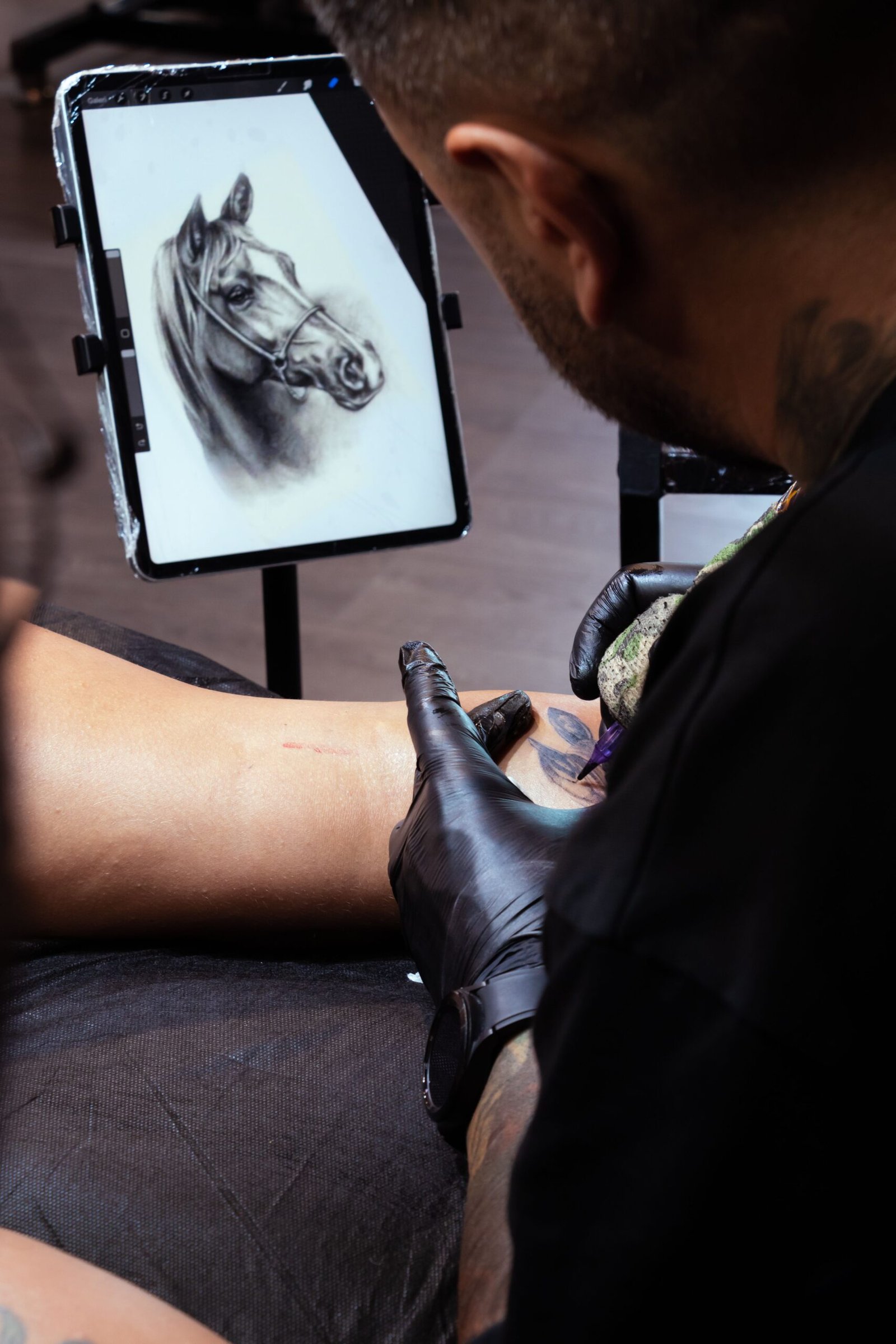
Realism is perhaps the most breathtaking style for capturing the true spirit and physical beauty of a horse. These tattoos use detailed shading, intricate linework, and careful study of light and shadow to create a design that can look like a photograph on the skin. A realistic horse portrait, often featuring the head with expressive eyes, is a popular choice, especially for those who want to memorialize a beloved horse. Realism works best on larger areas like the thigh, back, or shoulder, where there is enough space to do justice to the intricate details.
Watercolor and Abstract Tattoos
For a truly unique and modern look, watercolor and abstract styles are gaining immense popularity. These designs break away from traditional outlines, using splashes of vibrant colors—blues, pinks, oranges, and purples—that bleed into one another to create a sense of movement and freedom. A galloping horse dissolving into a wash of bright ink or a horse incorporated into a geometric, abstract composition makes for a highly artistic and personal statement piece. This style is perfect for those who want a tattoo that feels like a beautiful painting and celebrates individuality and creativity.
Specific Design Themes and Their Meanings
Beyond the general style, you can further personalize your tattoo by choosing a specific pose or theme.
Running Horse: This is the ultimate symbol of speed, passion, and breaking free. A galloping horse represents a life lived in momentum and the courage to embrace the journey.
Rearing Horse: A horse with its front legs in the air is a powerful image of protest, rebellion, and untamed energy. It symbolizes standing one’s ground and refusing to be broken.
Bucking Horse: Similar to the rearing horse, this pose is all about wild, rebellious spirit. It represents the fight for freedom and the determination to overcome any obstacle, and is a classic in Western-themed designs.
Mythical Horse (Pegasus): A winged horse is a symbol of creativity, intellectual inspiration, and soaring to new heights. It is associated with the Muses in Greek mythology and can represent a life guided by imagination and the pursuit of lofty goals.
Horse Skull: For a more edgy and contemplative design, a horse skull or skeleton represents the cycle of life, death, and rebirth. It’s a powerful symbol of honoring the past and facing change with strength.
Horseshoe: Often combined with a horse or used alone, the horseshoe is a classic talisman of good luck and protection. Its meaning can vary depending on its orientation—pointing up to catch luck or pointing down to pour it out.
Finding the Perfect Placement
The placement of your horse tattoo is just as important as the design itself. Larger, detailed pieces demand more significant “canvas” areas, while smaller designs can be tucked into more subtle spots.
Thigh: This is an extremely popular spot for horse tattoos, offering a large, flat surface for detailed portraits or running designs. It’s easy to hide but can also be shown off when desired.
Back and Shoulder Blades: The back provides an expansive area for dramatic, full-body scenes like a stampede or a large, powerful stallion. A galloping horse placed on the shoulder blade can flow beautifully with the body’s natural lines.
Forearm and Arm: This is a highly visible and versatile placement. A vertical running horse or a minimalist head can look sleek and dynamic on the forearm, while the upper arm is great for a more traditional or framed design.
Ribcage: A rib tattoo is a bold and intimate choice. The long, curved space is perfect for a running horse or a striking, vertical design, though it is known to be a more painful area.
Conclusion: Making the Design Your Own
A horse tattoo is more than just an image; it is a profound and personal statement. Whether you choose a delicate, minimalist line to whisper a quiet reminder of your inner strength, or a full-color realistic portrait of a cherished companion, a horse tattoo captures the essence of a creature that embodies power, grace, and an indomitable will.
The journey of selecting your design is a deeply personal one. Consider not just the style, but what the horse truly represents to you. Is it the wind-in-your-hair feeling of freedom? The steadfast loyalty of a friend? Or the raw power you carry within yourself? The best horse tattoos are those that tell your story, that speak to your spirit, and that capture a piece of the timeless magic that these magnificent creatures have inspired in us for millennia.
Frequently Asked Questions (FAQ)
1. What does a horse tattoo symbolize?
A horse tattoo is rich in symbolism, most commonly representing freedom, power, strength, and nobility. Depending on the design, it can also symbolize courage, loyalty, good luck, and a connection to nature. Mythical horses like Pegasus add layers of meaning related to inspiration and creativity.
2. Where is the best place to put a horse tattoo?
The best placement depends on the size and style of the design. Larger, detailed pieces look fantastic on the back, thigh, or shoulder blade, providing ample space for detail. Smaller, minimalist designs are perfect for the wrist, ankle, forearm, or behind the ear. The thigh is a top choice for its balance of space and concealability.
3. What are the most popular horse tattoo styles?
Some of the most popular styles include:
Minimalist/Fine Line: Simple, elegant outlines focusing on the essence of the horse.
Traditional/Old School: Bold lines and limited colors for a classic, timeless look.
Realistic/Portrait: Highly detailed, lifelike designs that capture the beauty of the animal.
Watercolor/Abstract: A modern, artistic choice that uses color washes and creative compositions.
4. Is a horse tattoo a good idea for both men and women?
Absolutely. The versatility of the horse makes it a perfect subject for anyone. Men often gravitate toward powerful images of stallions or realistic, bold pieces that emphasize strength. Women are frequently drawn to more delicate, elegant designs featuring flowing manes, floral elements, or fine line work, though these are just general trends and personal style always prevails.
5. Is it painful to get a horse tattoo?
The pain level varies depending on the placement. Areas with less fat and more bone, like the ribs, wrist, or ankle, can be more painful. Fleshy areas like the thigh or upper arm are generally less sensitive. However, everyone’s pain tolerance is different.
6. What is the meaning of a “Pharaoh’s Horses” tattoo?
“Pharaoh’s Horses” is a classic traditional tattoo depicting three horses overcoming a stormy sea. It is a symbol of incredible strength, power, and the indomitable human spirit. It conveys a disregard for consequences and reflects a deep, inner will to survive against all odds.
Introduction
For centuries, brick has stood as a symbol of permanence, durability, and timeless beauty in architecture. The classic red brick facade evokes a sense of history and quality that few other building materials can match. However, traditional brick construction comes with significant challenges: it is heavy, expensive, labor-intensive, and often requires structural reinforcement that makes it impractical for many renovation and design projects. Enter thin brick—a revolutionary material that captures the authentic beauty of full-thickness brick without the weight, cost, and installation complexity. Also known as brick veneer or thin brick veneer, this innovative product has transformed the way architects, builders, and homeowners incorporate the charm of brick into their spaces. Typically measuring between ½ inch and 1 inch in thickness, thin bricks are manufactured using the same high-quality clay and shale as traditional bricks, fired in kilns to achieve the same rich colors and textures. Yet their reduced weight—approximately 15 pounds per square foot compared to much heavier full bricks—makes them versatile enough for applications that were previously impossible with traditional masonry. This comprehensive guide explores everything you need to know about thin bricks, from their manufacturing processes and aesthetic possibilities to practical installation techniques and design applications.
What Are Thin Bricks?
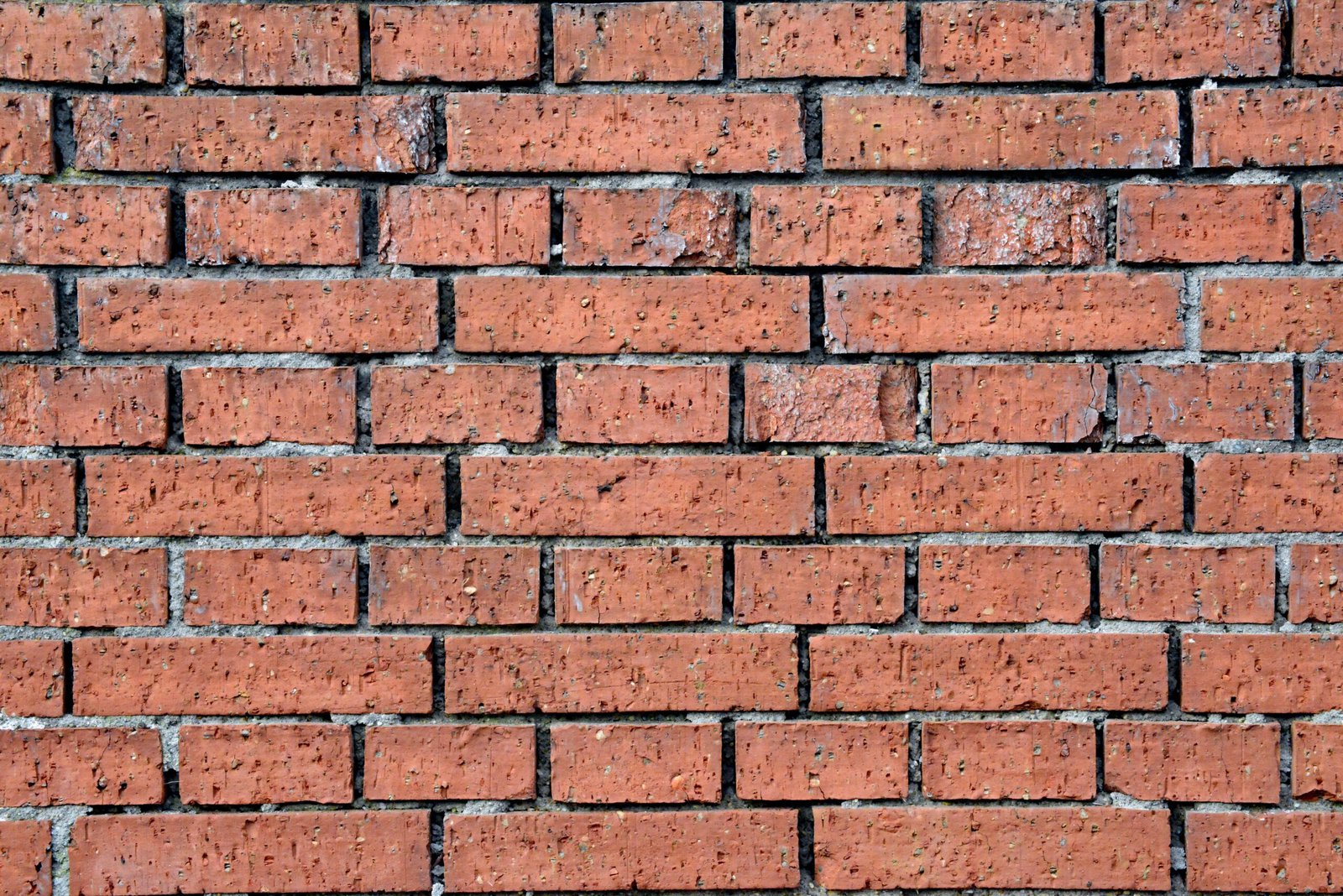
Thin bricks, often referred to as brick veneer, thin brick veneer, or brick thin veneer, are precisely what their name suggests: a thinner, lighter version of traditional clay bricks designed to mimic the appearance of full-thickness masonry. While conventional bricks measure approximately 3 5/8 inches in thickness, thin bricks typically range from ½ inch to 1 inch thick, with the most common residential products measuring around 7.5 inches long, 2.25 inches wide, and 0.5 inches thick. This significant reduction in thickness makes them substantially lighter and easier to handle, transport, and install. Despite their reduced size, thin bricks retain all the aesthetic qualities of traditional brickwork—the colors are true throughout the material, and when properly installed with mortar joints, they create the convincing appearance of a full brick wall. The most common face size for thin brick is the standard modular, with nominal dimensions of 2 2/3 inches by 8 inches, though economy modular sizes such as 4 inches by 12 inches are also popular for large commercial applications due to increased productivity and fewer visible mortar joints.
How Thin Bricks Are Manufactured
The manufacturing process of thin bricks is a fascinating blend of traditional craftsmanship and modern innovation. Like full bricks, thin bricks are made from a mixture of clay and shale—materials that originate as the very earth beneath our feet. The production process can follow several different methods, each imparting unique characteristics to the finished product. The extrusion method produces thin bricks with clean, straight edges that are ideal for modern, sleek design aesthetics. In this process, clay is fed through a pug mill for thorough mixing and then runs through an extruder where air is removed as the material is condensed. For thin bricks with slip or sand coatings, the clay is extruded as thinly as possible—typically between ¾ inch to ½ inch thick—and then cut to individual brick dimensions.
Another manufacturing method involves kiln-flashing using the kerf or “split-tile” process. This method produces thin bricks that are smooth on the face with clean edges, featuring a “keyed” or grooved back that improves adhesion to mortar or adhesive. The clay is extruded vertically and cut to width, with small sections of material removed from the center—similar to the core holes of a full brick—creating what appears to be two thin brick faces joined by cross-webbing. After drying and firing in the kiln, the two thin bricks are split apart using a hydraulic press tile splitter, leaving ridged backs for superior bonding.
Perhaps the most straightforward method involves saw-cutting thin slices from fired full bricks. In this process, full bricks are produced as normal and then a saw cuts a thin slice from the brick’s face, with water sprayed to reduce dust. This method offers the clearest benefit of enabling exact matching between full and thin brick products, since the thin brick literally comes from the same brick. It is also the only way to achieve a distressed, aged appearance, as thin bricks alone would break apart in a rumbler used to create textured edges. Manufacturers also produce matching corner units and edge caps through similar processes, ensuring that thin brick installations maintain a seamless, authentic appearance even at edges and corners.
Key Advantages of Choosing Thin Bricks
The growing popularity of thin bricks is driven by several compelling advantages that make them an attractive alternative to traditional masonry. The most significant benefit is their lightweight nature—thin bricks weigh substantially less than full bricks, making them suitable for installation on surfaces and structures that cannot support the weight of traditional masonry. This characteristic opens up creative possibilities for both interior and exterior applications where full bricks would be impossible or prohibitively expensive. The reduced weight also means easier handling during installation, lower transportation costs, and reduced structural requirements—no special footings or foundation reinforcement are typically needed.
Thin bricks offer substantial cost advantages as well. Because they use less raw material in manufacturing, they are generally more economical than full bricks. The ease of installation significantly cuts labor costs—a skilled mason can lay approximately twice the amount of thin bricks per day compared to full bricks, and projects can often be completed in a single day without waiting for curing before continuing with other work. For large-scale applications, innovative systems such as Brickwebb (thin bricks pre-adhered to mesh sheets) can speed up installation even further by allowing multiple bricks to be laid simultaneously in patterns like running bond and herringbone.
The versatility of thin bricks is another major advantage. They can be installed on virtually any surface—including drywall, plywood, concrete, and even existing tile or siding—using either thin set or thick set methods. This adaptability makes them ideal for both new construction and renovation projects where the goal is to transform outdated or damaged surfaces into beautiful masonry facades. Additionally, thin bricks come in an extensive range of colors, textures, and finishes, from classic reds and earth tones to contemporary whites and grays, allowing designers to achieve virtually any aesthetic vision. Some manufacturers even offer glazed thin bricks in bright, artistic colors, further expanding the creative possibilities.
Comprehensive Applications of Thin Brick
The lightweight and versatile nature of thin bricks makes them suitable for an impressive array of applications spanning both interior and exterior spaces. In exterior applications, thin brick siding has become increasingly popular for enhancing curb appeal and adding value to homes. Homeowners can use thin brick to transform an entire facade or create stunning accent features on portions of the exterior. The material is durable and weather-resistant, offering surface protection superior to walls without masonry while providing the timeless aesthetic of traditional brickwork. Thin brick is particularly effective for re-cladding homes previously covered with materials like vinyl or fiber cement that have suffered damage from weather or hail. Because of its lightweight nature, thin brick can be installed on almost any home’s existing structure without requiring additional foundation reinforcement.
Interior applications for thin bricks have exploded in popularity, with designers embracing the material for creating dramatic accent walls that serve as focal points in living rooms, bedrooms, and commercial spaces. The natural texture and warmth of brick add character and visual interest that cannot be achieved with paint or wallpaper. Fireplace surrounds represent one of the most popular interior uses—thin brick cladding transforms an ordinary fireplace into a stunning centerpiece that evokes the cozy charm of traditional hearths. Kitchen backsplashes made from thin brick offer both style and practicality, providing an easy-to-clean surface that creates a rustic, inviting atmosphere. Some creative homeowners have even used thin brick to create barreled ceilings with intricate herringbone patterns outlined by soldier coursing, demonstrating the material’s design flexibility. Thin brick flooring has also gained traction, particularly in high-traffic areas such as mudrooms, entryways, and commercial spaces where durability and easy maintenance are essential.
Landscaping and outdoor living spaces offer additional opportunities for thin brick applications. The material can be used to create charming garden paths, patios, and walkways that blend naturally with the landscape. Retaining walls constructed with thin brick provide both functional support and aesthetic enhancement, while pool areas and outdoor kitchens benefit from the slip-resistant properties and timeless beauty of brick surfaces. In commercial architecture, thin bricks are frequently used on building exteriors to achieve a prestigious masonry appearance at reduced cost, and in large buildings, economy modular sizes improve productivity by covering more area with fewer visible mortar joints.
Professional Installation Methods
Proper installation is crucial to the success and longevity of any thin brick project, and several established methods exist depending on the application and substrate. The thin set method involves installing thin bricks directly to the substrate using a thin layer of adhesive or modified mortar approximately 1/8 inch thick, making it suitable for interior applications where weight and thickness need to be minimized. This method does not require reinforcement lath and works well on clean, level surfaces such as drywall, cement backer board, or concrete. The thick set method is used for both interior and exterior applications and involves applying thin bricks to a mortar scratch coat that contains a reinforcing layer of metal lath or mesh. This approach provides superior strength and weather resistance, making it appropriate for exterior walls and other demanding environments.
Preparation is essential regardless of the installation method chosen. The wall surface must be clean, dry, and free of dirt, dust, or grease. Any holes, cracks, or uneven areas should be repaired and sanded smooth, and the substrate should be primed or sealed as appropriate to create an ideal bonding surface. For plywood substrates, metal lath should be attached securely and covered with a scratch coat of mortar that must cure for at least 24 hours before brick installation begins. Guidelines should be marked on the wall using a chalk line, and dry-fitting thin bricks helps plan the layout before mortar application. When installing, the thinset mortar should be spread with a notched trowel held at a 45-degree angle to create grooves that improve adhesion, and bricks should be pressed firmly into place, using spacer clips to maintain even gaps. A level should be checked regularly to ensure straight courses. For edges and corners, a wet saw or tile cutter provides precise cuts.
Post-Installation Care and Grouting
After the thin bricks are securely in place, grouting the joints is essential for achieving the authentic brick wall appearance and protecting the installation from moisture and debris. The surface should be thoroughly vacuumed to remove any dust before grout application. Selecting the right grout color and composition is critical—it should complement the thin brick’s color and texture while providing durability appropriate for the application. Grout can be applied using a grout bag or trowel, pressing it firmly into the joints to avoid gaps or voids. After filling, joints should be smoothed with a pointing tool or finger for a uniform finish, and excess grout wiped from brick surfaces with a damp sponge before it dries.
Applying a high-quality sealant after grout curing can significantly extend the life of a thin brick installation by protecting against moisture, stains, and wear. Regular maintenance simply involves cleaning with mild soap and water—harsh chemicals should be avoided as they may damage the finish. With proper care, thin brick installations can retain their beauty for decades, offering the timeless appeal of brickwork without the maintenance demands of traditional masonry.
Environmental Benefits
The brick industry has demonstrated a strong commitment to sustainability, and thin bricks offer several environmental advantages over many alternative building materials. Made from the earth’s natural clay and shale, thin bricks are manufactured through a process that has minimal environmental impact. Mining sites used to source raw materials are reclaimed after extraction and returned to a similar or better state than before mining began. The longevity and recyclability of brick result in very low net energy consumption across the product’s lifecycle. Thin bricks use significantly less raw material than full bricks—about half to one-third as much—while still delivering the same aesthetic appeal. Additionally, because thin bricks are lighter and thinner, more product can be transported per shipment, reducing transportation-related emissions. The ability to install thin bricks over existing surfaces without demolition also reduces construction waste and extends the life of existing structures. For homeowners and builders seeking environmentally responsible building materials, thin bricks represent a choice that combines sustainability with timeless beauty.
Thin Brick vs. Traditional Brick: A Comparative Analysis
Understanding the differences between thin bricks and traditional full bricks is essential for making informed material selections. Full bricks serve both aesthetic and structural functions in traditional masonry construction—they are load-bearing elements designed to support the weight of structures, requiring proper footings and foundation reinforcement. In contrast, thin bricks are purely decorative veneers that provide the appearance of brick without contributing structural support. This fundamental distinction makes thin bricks suitable for applications where full bricks would be impractical or cost-prohibitive, but it also means they cannot replace full bricks in structural applications. In terms of installation, full brick construction is labor-intensive and time-consuming, requiring skilled masons and significant mortar quantities, with projects often taking weeks or months to complete. Thin brick installations are faster, typically taking days rather than weeks, and are accessible to skilled DIY enthusiasts as well as professionals. The weight difference is substantial—full bricks require reinforced foundations and structural support, while thin bricks can be installed on standard wall construction without modifications. However, while thin bricks mimic the appearance of traditional brick convincingly, they do not offer the same level of thermal mass, fire protection, or sound insulation as full brick walls, though they do provide surface protection superior to walls without masonry.
Conclusion
Thin bricks represent a remarkable innovation in building materials, successfully bridging the gap between the timeless aesthetic appeal of traditional brickwork and the practical demands of modern construction. By capturing the authentic beauty, color depth, and texture of full-thickness bricks while offering dramatically reduced weight and installation complexity, thin bricks have opened up new creative possibilities for architects, builders, and homeowners alike. From stunning interior accent walls and fireplace surrounds to elegant exterior facades and durable flooring, the applications of thin bricks continue to expand as more people discover their versatility and charm. The variety of manufacturing methods—extrusion, kerf processing, and saw-cutting—ensures that thin bricks are available in styles ranging from sleek and modern to distressed and historic, with an extensive palette of colors and finishes to suit any design vision. The environmental benefits of using less material, reduced transportation costs, and the ability to install over existing surfaces without demolition further enhance the appeal of thin bricks as a sustainable building choice. Whether you are renovating a single room, updating your home’s exterior, or undertaking a major commercial project, thin bricks offer a practical, cost-effective, and beautiful solution for achieving the enduring charm of brick masonry. With proper installation and basic care, thin brick installations can provide decades of beauty and service, proving that sometimes the best innovations are those that make classic design more accessible to everyone.
Frequently Asked Questions
What exactly are thin bricks?
Thin bricks, also known as brick veneer or thin brick veneer, are lighter, thinner versions of traditional bricks, typically measuring between ½ inch and 1 inch thick. They are manufactured from the same kiln-fired clay and shale as full bricks and are designed to mimic the appearance of conventional brickwork while being easier to handle and install due to their reduced weight.
Can thin bricks be used both indoors and outdoors?
Yes, thin bricks are suitable for both interior and exterior applications. They can be installed on exterior facades, accent walls, fireplaces, backsplashes, flooring, and even landscaping features such as patios and walkways. The specific installation method and materials used may vary depending on whether the application is interior or exterior, with exterior installations typically requiring additional weatherproofing.
How do you install thin bricks?
Thin bricks can be installed using several methods, with the most common being thin set and thick set installation. The thin set method uses adhesive or modified mortar applied directly to the substrate, while the thick set method involves a mortar scratch coat with metal lath reinforcement for increased strength. Both methods require proper substrate preparation, including cleaning, repairing damage, and ensuring the surface is dry and level.
Are thin bricks expensive?
Generally, thin bricks are more cost-effective than traditional full bricks due to using less raw material during manufacturing and requiring less time and labor for installation. While prices vary depending on manufacturer and style, the overall project cost is typically lower than traditional brickwork, especially when factoring in reduced structural requirements and faster installation times.
Can I install thin bricks myself?
Many thin brick products are designed to be DIY-friendly, and with proper preparation and guidance, homeowners can successfully install thin bricks themselves. The lightweight nature makes them easier to handle than full bricks, and numerous online tutorials and resources are available. However, achieving professional-looking results requires careful planning, patience, and attention to detail, and large or complex projects may benefit from professional installation.
The Untold Story of Wendy Etris, the Pillar Behind AJ Styles
In the high-octane, glamorous world of professional wrestling, where the spotlight shines brightest on the larger-than-life characters inside the ring, it is often the quiet figures on the periphery who provide the true stability and strength that allow legends to thrive. The career of AJ Styles, universally acclaimed as one of the greatest professional wrestlers of all time, is a testament to this very principle. While his high-flying maneuvers and championship victories have earned him the moniker “The Phenomenal One,” the bedrock of his success is a grounded, dedicated, and fiercely private individual: his wife, Wendy Etris .
The Beginning: A High School Romance That Defined a Future
The story of Wendy Etris is inseparable from the story of Allen Neal Jones, the man the world would come to know as AJ Styles. Their narrative begins not in a grand arena or on a national stage, but in the more modest setting of Johnson High School in Gainesville, Georgia . It was here, in the mid-1990s, that a high school romance blossomed into a partnership that has now spanned over two decades.
Wendy, a cheerleader, and Allen, a member of the amateur wrestling team who would go on to become a two-time state champion, began their relationship in a moment that would define the rest of their lives . AJ, recognizing the profound connection he shared with Wendy, proposed to her on Valentine’s Day in 1996, a public declaration of commitment that she accepted . They would spend the next four years together, navigating the transition from high school sweethearts to a young married couple, before officially tying the knot on August 5, 2000 . This was not a marriage of convenience or circumstance; it was the deliberate union of two people who had grown up together and were determined to build a life side-by-side.
A Career of Choice: The High School Teacher Who Chose Substance Over Spotlight
In an era where proximity to celebrity is often leveraged for personal fame, Wendy Etris chose a drastically different path. Rather than stepping into the public eye, she built a respected and fulfilling career as a high school teacher . This choice is not a minor footnote in her biography; it is the defining characteristic that separates her from the typical celebrity spouse and underscores the values upon which the Jones family is built.
Wendy earned a bachelor’s degree in education and dedicated herself to the classroom, a profession that requires patience, intelligence, and a genuine desire to serve . Her commitment to this career was so profound that it played a pivotal role in shaping AJ’s early professional decisions. In the nascent stages of his wrestling career, when the World Wrestling Federation (WWF) offered him a developmental contract, AJ Styles famously turned it down . The reason was not a lack of ambition but a deep-seated respect for his partner’s goals. Accepting the offer would have required relocating, which would have interfered with Wendy’s college education. This sacrifice, made by AJ to honor Wendy’s career aspirations, solidified the mutual respect and partnership that defines their marriage . Wendy Etris is not just a supportive wife; she is a professional in her own right, an educator who has chosen a life of service and stability over the distractions of fame. It is believed that she continues to work as an educator, providing a sense of normalcy and purpose that is independent of her husband’s world-renowned career .
The Family Unit: Raising Four Children While One Parent Conquers the World
Balancing a demanding career as a professional educator and being the primary caretaker for four children while your spouse is a globe-trotting superstar is a feat of monumental proportions. Wendy and AJ Styles are the proud parents of three sons and a daughter: Ajay Covell, born in 2005; Avery, born in 2007; Albey, born in 2009; and their youngest daughter, Anney, born in 2014 .
Wendy has been the primary force in raising the children, ensuring that despite their father’s fame and extensive travel schedule, they maintain a sense of normalcy and stability . The family remains rooted in their home state of Georgia, a deliberate choice made by Wendy to keep her children grounded and away from the transient, often chaotic nature of the wrestling industry . AJ Styles has often spoken publicly about how his family provides the balance and perspective he needs, crediting Wendy with being the rock that holds everything together . She is the manager of the household, the keeper of routines, and the source of unwavering support, allowing AJ to focus on his career knowing that his family is in the safest and most capable hands .
A Public Presence Only When Necessary: Rare Appearances and Storyline Involvement
Wendy Etris has deliberately shunned the public eye. She maintains a private life that is a stark contrast to her husband’s, operating a social media account that is set to private and rarely granting interviews . However, there have been rare occasions where she has stepped into the public sphere, often to support AJ in a manner that fans found deeply compelling.
Her most notable involvement came during a heated 2018 feud between AJ Styles and Samoa Joe . Joe’s storyline villainy involved verbal attacks on Styles’ family, which brought Wendy and the children into the narrative. Her appearances at ringside and in video segments during this rivalry were praised for adding a layer of genuine emotion and realism that elevated the feud and highlighted the stakes for Styles . Though she was willing to participate for the sake of her husband’s career, these moments were brief, and she quickly retreated back to her quiet life once the cameras stopped rolling . Wendy’s role is, and has always been, as a supporter, not a performer, further emphasizing her preference for a life of privacy and purpose .
A Story of Unwavering Commitment
The story of Wendy Etris is not one of fame or fortune; it is a profound narrative of commitment, sacrifice, and love. While the world knows AJ Styles for his incredible in-ring abilities, those closest to the business and his fans understand that his success is built on a foundation that is a true partnership. Wendy Etris has remained a steadfast anchor, choosing a career as a dedicated educator and focusing on raising their four children . Their marriage, which has outlasted the transient relationships common in the entertainment industry, is built on a shared history, mutual respect, and a deep faith that guides their lives . In a life that could have been consumed by the spotlight, Wendy Etris chose to build a quiet legacy of strength, proving that the most powerful force behind a “Phenomenal” man is often a phenomenal woman who prefers to stay out of the spotlight .
Frequently Asked Questions (FAQs)
Who is Wendy Etris?
Wendy Etris, also known as Wendy Jones, is the wife of WWE superstar AJ Styles (Allen Neal Jones). She is a highly respected high school teacher and the dedicated mother of their four children .
When did Wendy Etris and AJ Styles get married?
Wendy and AJ Styles married on August 5, 2000, after getting engaged on Valentine’s Day in 1996. They were high school sweethearts .
How many children do AJ Styles and Wendy Etris have?
The couple has four children: three sons named Ajay Covell, Avery, and Albey, and one daughter named Anney .
What does Wendy Etris do for a living?
Wendy Etris is a career educator and works as a high school teacher. This career was so important to her that AJ Styles reportedly turned down an early developmental contract with WWE so that she could complete her education .
Is Wendy Etris active on social media?
No. Wendy Etris maintains a very private life and does not have a public social media presence. She prefers to stay out of the spotlight .

Takashi Morinozuka: Biography, Personality, Skills, and Role in Ouran High School Host Club

Yamaha TW200 Review: Specs, Performance, Pros and Cons, and Buying Guide

How to Adjust Door Hinges: A Complete Step-by-Step Guide

Charlie Rogers-Ciaffa: The Quiet Rise of a Hollywood Legacy Who Chose His Own Diamond

The Entrepreneur’s Operating System: Why Charfen.co.uk is Redefining Business Growth for UK Founders

Droven.io: The AI Knowledge Hub Reshaping How Professionals Understand Technology in 2026
 Entertainment3 months ago
Charlie Rogers-Ciaffa: The Quiet Rise of a Hollywood Legacy Who Chose His Own Diamond
- Tech3 months ago
The Entrepreneur’s Operating System: Why Charfen.co.uk is Redefining Business Growth for UK Founders
- Tech3 months ago
Droven.io: The AI Knowledge Hub Reshaping How Professionals Understand Technology in 2026
- Fashion2 months ago
The Ultimate Guide to Brick Patterns: Timeless Designs for Walkways, Patios, and Walls
- Tech3 months ago
Readmymanga com: The Comprehensive Guide to Features, Safety, and Legal Alternatives in 2026
- Fashion3 months ago
The Blazertje: Your Ultimate Guide to the Modern “Little Blazer” Taking Over Fashion
- Lifestyle3 months ago
Otelia Cox: The Quiet Strength Behind Hollywood’s Tony Cox
- Tech3 months ago
Voomixi com: The Ultimate Guide to This Digital Platform (Review, Features & User Experience)