
Lifestyle
The Ultimate Guide to Sundance Tickets: Secure Your Pass for the 2026 Film Festival



Introduction
For centuries, brick has stood as a symbol of permanence, durability, and timeless beauty in architecture. The classic red brick facade evokes a sense of history and quality that few other building materials can match. However, traditional brick construction comes with significant challenges: it is heavy, expensive, labor-intensive, and often requires structural reinforcement that makes it impractical for many renovation and design projects. Enter thin brick—a revolutionary material that captures the authentic beauty of full-thickness brick without the weight, cost, and installation complexity. Also known as brick veneer or thin brick veneer, this innovative product has transformed the way architects, builders, and homeowners incorporate the charm of brick into their spaces. Typically measuring between ½ inch and 1 inch in thickness, thin bricks are manufactured using the same high-quality clay and shale as traditional bricks, fired in kilns to achieve the same rich colors and textures. Yet their reduced weight—approximately 15 pounds per square foot compared to much heavier full bricks—makes them versatile enough for applications that were previously impossible with traditional masonry. This comprehensive guide explores everything you need to know about thin bricks, from their manufacturing processes and aesthetic possibilities to practical installation techniques and design applications.
What Are Thin Bricks?
Thin bricks, often referred to as brick veneer, thin brick veneer, or brick thin veneer, are precisely what their name suggests: a thinner, lighter version of traditional clay bricks designed to mimic the appearance of full-thickness masonry. While conventional bricks measure approximately 3 5/8 inches in thickness, thin bricks typically range from ½ inch to 1 inch thick, with the most common residential products measuring around 7.5 inches long, 2.25 inches wide, and 0.5 inches thick. This significant reduction in thickness makes them substantially lighter and easier to handle, transport, and install. Despite their reduced size, thin bricks retain all the aesthetic qualities of traditional brickwork—the colors are true throughout the material, and when properly installed with mortar joints, they create the convincing appearance of a full brick wall. The most common face size for thin brick is the standard modular, with nominal dimensions of 2 2/3 inches by 8 inches, though economy modular sizes such as 4 inches by 12 inches are also popular for large commercial applications due to increased productivity and fewer visible mortar joints.
How Thin Bricks Are Manufactured
The manufacturing process of thin bricks is a fascinating blend of traditional craftsmanship and modern innovation. Like full bricks, thin bricks are made from a mixture of clay and shale—materials that originate as the very earth beneath our feet. The production process can follow several different methods, each imparting unique characteristics to the finished product. The extrusion method produces thin bricks with clean, straight edges that are ideal for modern, sleek design aesthetics. In this process, clay is fed through a pug mill for thorough mixing and then runs through an extruder where air is removed as the material is condensed. For thin bricks with slip or sand coatings, the clay is extruded as thinly as possible—typically between ¾ inch to ½ inch thick—and then cut to individual brick dimensions.
Another manufacturing method involves kiln-flashing using the kerf or “split-tile” process. This method produces thin bricks that are smooth on the face with clean edges, featuring a “keyed” or grooved back that improves adhesion to mortar or adhesive. The clay is extruded vertically and cut to width, with small sections of material removed from the center—similar to the core holes of a full brick—creating what appears to be two thin brick faces joined by cross-webbing. After drying and firing in the kiln, the two thin bricks are split apart using a hydraulic press tile splitter, leaving ridged backs for superior bonding.
Perhaps the most straightforward method involves saw-cutting thin slices from fired full bricks. In this process, full bricks are produced as normal and then a saw cuts a thin slice from the brick’s face, with water sprayed to reduce dust. This method offers the clearest benefit of enabling exact matching between full and thin brick products, since the thin brick literally comes from the same brick. It is also the only way to achieve a distressed, aged appearance, as thin bricks alone would break apart in a rumbler used to create textured edges. Manufacturers also produce matching corner units and edge caps through similar processes, ensuring that thin brick installations maintain a seamless, authentic appearance even at edges and corners.
Key Advantages of Choosing Thin Bricks
The growing popularity of thin bricks is driven by several compelling advantages that make them an attractive alternative to traditional masonry. The most significant benefit is their lightweight nature—thin bricks weigh substantially less than full bricks, making them suitable for installation on surfaces and structures that cannot support the weight of traditional masonry. This characteristic opens up creative possibilities for both interior and exterior applications where full bricks would be impossible or prohibitively expensive. The reduced weight also means easier handling during installation, lower transportation costs, and reduced structural requirements—no special footings or foundation reinforcement are typically needed.
Thin bricks offer substantial cost advantages as well. Because they use less raw material in manufacturing, they are generally more economical than full bricks. The ease of installation significantly cuts labor costs—a skilled mason can lay approximately twice the amount of thin bricks per day compared to full bricks, and projects can often be completed in a single day without waiting for curing before continuing with other work. For large-scale applications, innovative systems such as Brickwebb (thin bricks pre-adhered to mesh sheets) can speed up installation even further by allowing multiple bricks to be laid simultaneously in patterns like running bond and herringbone.
The versatility of thin bricks is another major advantage. They can be installed on virtually any surface—including drywall, plywood, concrete, and even existing tile or siding—using either thin set or thick set methods. This adaptability makes them ideal for both new construction and renovation projects where the goal is to transform outdated or damaged surfaces into beautiful masonry facades. Additionally, thin bricks come in an extensive range of colors, textures, and finishes, from classic reds and earth tones to contemporary whites and grays, allowing designers to achieve virtually any aesthetic vision. Some manufacturers even offer glazed thin bricks in bright, artistic colors, further expanding the creative possibilities.
Comprehensive Applications of Thin Brick
The lightweight and versatile nature of thin bricks makes them suitable for an impressive array of applications spanning both interior and exterior spaces. In exterior applications, thin brick siding has become increasingly popular for enhancing curb appeal and adding value to homes. Homeowners can use thin brick to transform an entire facade or create stunning accent features on portions of the exterior. The material is durable and weather-resistant, offering surface protection superior to walls without masonry while providing the timeless aesthetic of traditional brickwork. Thin brick is particularly effective for re-cladding homes previously covered with materials like vinyl or fiber cement that have suffered damage from weather or hail. Because of its lightweight nature, thin brick can be installed on almost any home’s existing structure without requiring additional foundation reinforcement.
Interior applications for thin bricks have exploded in popularity, with designers embracing the material for creating dramatic accent walls that serve as focal points in living rooms, bedrooms, and commercial spaces. The natural texture and warmth of brick add character and visual interest that cannot be achieved with paint or wallpaper. Fireplace surrounds represent one of the most popular interior uses—thin brick cladding transforms an ordinary fireplace into a stunning centerpiece that evokes the cozy charm of traditional hearths. Kitchen backsplashes made from thin brick offer both style and practicality, providing an easy-to-clean surface that creates a rustic, inviting atmosphere. Some creative homeowners have even used thin brick to create barreled ceilings with intricate herringbone patterns outlined by soldier coursing, demonstrating the material’s design flexibility. Thin brick flooring has also gained traction, particularly in high-traffic areas such as mudrooms, entryways, and commercial spaces where durability and easy maintenance are essential.
Landscaping and outdoor living spaces offer additional opportunities for thin brick applications. The material can be used to create charming garden paths, patios, and walkways that blend naturally with the landscape. Retaining walls constructed with thin brick provide both functional support and aesthetic enhancement, while pool areas and outdoor kitchens benefit from the slip-resistant properties and timeless beauty of brick surfaces. In commercial architecture, thin bricks are frequently used on building exteriors to achieve a prestigious masonry appearance at reduced cost, and in large buildings, economy modular sizes improve productivity by covering more area with fewer visible mortar joints.
Professional Installation Methods
Proper installation is crucial to the success and longevity of any thin brick project, and several established methods exist depending on the application and substrate. The thin set method involves installing thin bricks directly to the substrate using a thin layer of adhesive or modified mortar approximately 1/8 inch thick, making it suitable for interior applications where weight and thickness need to be minimized. This method does not require reinforcement lath and works well on clean, level surfaces such as drywall, cement backer board, or concrete. The thick set method is used for both interior and exterior applications and involves applying thin bricks to a mortar scratch coat that contains a reinforcing layer of metal lath or mesh. This approach provides superior strength and weather resistance, making it appropriate for exterior walls and other demanding environments.
Preparation is essential regardless of the installation method chosen. The wall surface must be clean, dry, and free of dirt, dust, or grease. Any holes, cracks, or uneven areas should be repaired and sanded smooth, and the substrate should be primed or sealed as appropriate to create an ideal bonding surface. For plywood substrates, metal lath should be attached securely and covered with a scratch coat of mortar that must cure for at least 24 hours before brick installation begins. Guidelines should be marked on the wall using a chalk line, and dry-fitting thin bricks helps plan the layout before mortar application. When installing, the thinset mortar should be spread with a notched trowel held at a 45-degree angle to create grooves that improve adhesion, and bricks should be pressed firmly into place, using spacer clips to maintain even gaps. A level should be checked regularly to ensure straight courses. For edges and corners, a wet saw or tile cutter provides precise cuts.
Post-Installation Care and Grouting
After the thin bricks are securely in place, grouting the joints is essential for achieving the authentic brick wall appearance and protecting the installation from moisture and debris. The surface should be thoroughly vacuumed to remove any dust before grout application. Selecting the right grout color and composition is critical—it should complement the thin brick’s color and texture while providing durability appropriate for the application. Grout can be applied using a grout bag or trowel, pressing it firmly into the joints to avoid gaps or voids. After filling, joints should be smoothed with a pointing tool or finger for a uniform finish, and excess grout wiped from brick surfaces with a damp sponge before it dries.
Applying a high-quality sealant after grout curing can significantly extend the life of a thin brick installation by protecting against moisture, stains, and wear. Regular maintenance simply involves cleaning with mild soap and water—harsh chemicals should be avoided as they may damage the finish. With proper care, thin brick installations can retain their beauty for decades, offering the timeless appeal of brickwork without the maintenance demands of traditional masonry.
Environmental Benefits
The brick industry has demonstrated a strong commitment to sustainability, and thin bricks offer several environmental advantages over many alternative building materials. Made from the earth’s natural clay and shale, thin bricks are manufactured through a process that has minimal environmental impact. Mining sites used to source raw materials are reclaimed after extraction and returned to a similar or better state than before mining began. The longevity and recyclability of brick result in very low net energy consumption across the product’s lifecycle. Thin bricks use significantly less raw material than full bricks—about half to one-third as much—while still delivering the same aesthetic appeal. Additionally, because thin bricks are lighter and thinner, more product can be transported per shipment, reducing transportation-related emissions. The ability to install thin bricks over existing surfaces without demolition also reduces construction waste and extends the life of existing structures. For homeowners and builders seeking environmentally responsible building materials, thin bricks represent a choice that combines sustainability with timeless beauty.
Thin Brick vs. Traditional Brick: A Comparative Analysis
Understanding the differences between thin bricks and traditional full bricks is essential for making informed material selections. Full bricks serve both aesthetic and structural functions in traditional masonry construction—they are load-bearing elements designed to support the weight of structures, requiring proper footings and foundation reinforcement. In contrast, thin bricks are purely decorative veneers that provide the appearance of brick without contributing structural support. This fundamental distinction makes thin bricks suitable for applications where full bricks would be impractical or cost-prohibitive, but it also means they cannot replace full bricks in structural applications. In terms of installation, full brick construction is labor-intensive and time-consuming, requiring skilled masons and significant mortar quantities, with projects often taking weeks or months to complete. Thin brick installations are faster, typically taking days rather than weeks, and are accessible to skilled DIY enthusiasts as well as professionals. The weight difference is substantial—full bricks require reinforced foundations and structural support, while thin bricks can be installed on standard wall construction without modifications. However, while thin bricks mimic the appearance of traditional brick convincingly, they do not offer the same level of thermal mass, fire protection, or sound insulation as full brick walls, though they do provide surface protection superior to walls without masonry.
Conclusion
Thin bricks represent a remarkable innovation in building materials, successfully bridging the gap between the timeless aesthetic appeal of traditional brickwork and the practical demands of modern construction. By capturing the authentic beauty, color depth, and texture of full-thickness bricks while offering dramatically reduced weight and installation complexity, thin bricks have opened up new creative possibilities for architects, builders, and homeowners alike. From stunning interior accent walls and fireplace surrounds to elegant exterior facades and durable flooring, the applications of thin bricks continue to expand as more people discover their versatility and charm. The variety of manufacturing methods—extrusion, kerf processing, and saw-cutting—ensures that thin bricks are available in styles ranging from sleek and modern to distressed and historic, with an extensive palette of colors and finishes to suit any design vision. The environmental benefits of using less material, reduced transportation costs, and the ability to install over existing surfaces without demolition further enhance the appeal of thin bricks as a sustainable building choice. Whether you are renovating a single room, updating your home’s exterior, or undertaking a major commercial project, thin bricks offer a practical, cost-effective, and beautiful solution for achieving the enduring charm of brick masonry. With proper installation and basic care, thin brick installations can provide decades of beauty and service, proving that sometimes the best innovations are those that make classic design more accessible to everyone.
Frequently Asked Questions
What exactly are thin bricks?
Thin bricks, also known as brick veneer or thin brick veneer, are lighter, thinner versions of traditional bricks, typically measuring between ½ inch and 1 inch thick. They are manufactured from the same kiln-fired clay and shale as full bricks and are designed to mimic the appearance of conventional brickwork while being easier to handle and install due to their reduced weight.
Can thin bricks be used both indoors and outdoors?
Yes, thin bricks are suitable for both interior and exterior applications. They can be installed on exterior facades, accent walls, fireplaces, backsplashes, flooring, and even landscaping features such as patios and walkways. The specific installation method and materials used may vary depending on whether the application is interior or exterior, with exterior installations typically requiring additional weatherproofing.
How do you install thin bricks?
Thin bricks can be installed using several methods, with the most common being thin set and thick set installation. The thin set method uses adhesive or modified mortar applied directly to the substrate, while the thick set method involves a mortar scratch coat with metal lath reinforcement for increased strength. Both methods require proper substrate preparation, including cleaning, repairing damage, and ensuring the surface is dry and level.
Are thin bricks expensive?
Generally, thin bricks are more cost-effective than traditional full bricks due to using less raw material during manufacturing and requiring less time and labor for installation. While prices vary depending on manufacturer and style, the overall project cost is typically lower than traditional brickwork, especially when factoring in reduced structural requirements and faster installation times.
Can I install thin bricks myself?
Many thin brick products are designed to be DIY-friendly, and with proper preparation and guidance, homeowners can successfully install thin bricks themselves. The lightweight nature makes them easier to handle than full bricks, and numerous online tutorials and resources are available. However, achieving professional-looking results requires careful planning, patience, and attention to detail, and large or complex projects may benefit from professional installation.

The Untold Story of Wendy Etris, the Pillar Behind AJ Styles
In the high-octane, glamorous world of professional wrestling, where the spotlight shines brightest on the larger-than-life characters inside the ring, it is often the quiet figures on the periphery who provide the true stability and strength that allow legends to thrive. The career of AJ Styles, universally acclaimed as one of the greatest professional wrestlers of all time, is a testament to this very principle. While his high-flying maneuvers and championship victories have earned him the moniker “The Phenomenal One,” the bedrock of his success is a grounded, dedicated, and fiercely private individual: his wife, Wendy Etris .
The Beginning: A High School Romance That Defined a Future
The story of Wendy Etris is inseparable from the story of Allen Neal Jones, the man the world would come to know as AJ Styles. Their narrative begins not in a grand arena or on a national stage, but in the more modest setting of Johnson High School in Gainesville, Georgia . It was here, in the mid-1990s, that a high school romance blossomed into a partnership that has now spanned over two decades.
Wendy, a cheerleader, and Allen, a member of the amateur wrestling team who would go on to become a two-time state champion, began their relationship in a moment that would define the rest of their lives . AJ, recognizing the profound connection he shared with Wendy, proposed to her on Valentine’s Day in 1996, a public declaration of commitment that she accepted . They would spend the next four years together, navigating the transition from high school sweethearts to a young married couple, before officially tying the knot on August 5, 2000 . This was not a marriage of convenience or circumstance; it was the deliberate union of two people who had grown up together and were determined to build a life side-by-side.
A Career of Choice: The High School Teacher Who Chose Substance Over Spotlight
In an era where proximity to celebrity is often leveraged for personal fame, Wendy Etris chose a drastically different path. Rather than stepping into the public eye, she built a respected and fulfilling career as a high school teacher . This choice is not a minor footnote in her biography; it is the defining characteristic that separates her from the typical celebrity spouse and underscores the values upon which the Jones family is built.
Wendy earned a bachelor’s degree in education and dedicated herself to the classroom, a profession that requires patience, intelligence, and a genuine desire to serve . Her commitment to this career was so profound that it played a pivotal role in shaping AJ’s early professional decisions. In the nascent stages of his wrestling career, when the World Wrestling Federation (WWF) offered him a developmental contract, AJ Styles famously turned it down . The reason was not a lack of ambition but a deep-seated respect for his partner’s goals. Accepting the offer would have required relocating, which would have interfered with Wendy’s college education. This sacrifice, made by AJ to honor Wendy’s career aspirations, solidified the mutual respect and partnership that defines their marriage . Wendy Etris is not just a supportive wife; she is a professional in her own right, an educator who has chosen a life of service and stability over the distractions of fame. It is believed that she continues to work as an educator, providing a sense of normalcy and purpose that is independent of her husband’s world-renowned career .
The Family Unit: Raising Four Children While One Parent Conquers the World
Balancing a demanding career as a professional educator and being the primary caretaker for four children while your spouse is a globe-trotting superstar is a feat of monumental proportions. Wendy and AJ Styles are the proud parents of three sons and a daughter: Ajay Covell, born in 2005; Avery, born in 2007; Albey, born in 2009; and their youngest daughter, Anney, born in 2014 .
Wendy has been the primary force in raising the children, ensuring that despite their father’s fame and extensive travel schedule, they maintain a sense of normalcy and stability . The family remains rooted in their home state of Georgia, a deliberate choice made by Wendy to keep her children grounded and away from the transient, often chaotic nature of the wrestling industry . AJ Styles has often spoken publicly about how his family provides the balance and perspective he needs, crediting Wendy with being the rock that holds everything together . She is the manager of the household, the keeper of routines, and the source of unwavering support, allowing AJ to focus on his career knowing that his family is in the safest and most capable hands .
A Public Presence Only When Necessary: Rare Appearances and Storyline Involvement
Wendy Etris has deliberately shunned the public eye. She maintains a private life that is a stark contrast to her husband’s, operating a social media account that is set to private and rarely granting interviews . However, there have been rare occasions where she has stepped into the public sphere, often to support AJ in a manner that fans found deeply compelling.
Her most notable involvement came during a heated 2018 feud between AJ Styles and Samoa Joe . Joe’s storyline villainy involved verbal attacks on Styles’ family, which brought Wendy and the children into the narrative. Her appearances at ringside and in video segments during this rivalry were praised for adding a layer of genuine emotion and realism that elevated the feud and highlighted the stakes for Styles . Though she was willing to participate for the sake of her husband’s career, these moments were brief, and she quickly retreated back to her quiet life once the cameras stopped rolling . Wendy’s role is, and has always been, as a supporter, not a performer, further emphasizing her preference for a life of privacy and purpose .
A Story of Unwavering Commitment
The story of Wendy Etris is not one of fame or fortune; it is a profound narrative of commitment, sacrifice, and love. While the world knows AJ Styles for his incredible in-ring abilities, those closest to the business and his fans understand that his success is built on a foundation that is a true partnership. Wendy Etris has remained a steadfast anchor, choosing a career as a dedicated educator and focusing on raising their four children . Their marriage, which has outlasted the transient relationships common in the entertainment industry, is built on a shared history, mutual respect, and a deep faith that guides their lives . In a life that could have been consumed by the spotlight, Wendy Etris chose to build a quiet legacy of strength, proving that the most powerful force behind a “Phenomenal” man is often a phenomenal woman who prefers to stay out of the spotlight .
Frequently Asked Questions (FAQs)
Who is Wendy Etris?
Wendy Etris, also known as Wendy Jones, is the wife of WWE superstar AJ Styles (Allen Neal Jones). She is a highly respected high school teacher and the dedicated mother of their four children .
When did Wendy Etris and AJ Styles get married?
Wendy and AJ Styles married on August 5, 2000, after getting engaged on Valentine’s Day in 1996. They were high school sweethearts .
How many children do AJ Styles and Wendy Etris have?
The couple has four children: three sons named Ajay Covell, Avery, and Albey, and one daughter named Anney .
What does Wendy Etris do for a living?
Wendy Etris is a career educator and works as a high school teacher. This career was so important to her that AJ Styles reportedly turned down an early developmental contract with WWE so that she could complete her education .
Is Wendy Etris active on social media?
No. Wendy Etris maintains a very private life and does not have a public social media presence. She prefers to stay out of the spotlight .
Lifestyle
Dorothée Lepère: The Untold Story of François-Henri Pinault’s First Wife and Her Journey of Quiet Resilience
Introduction
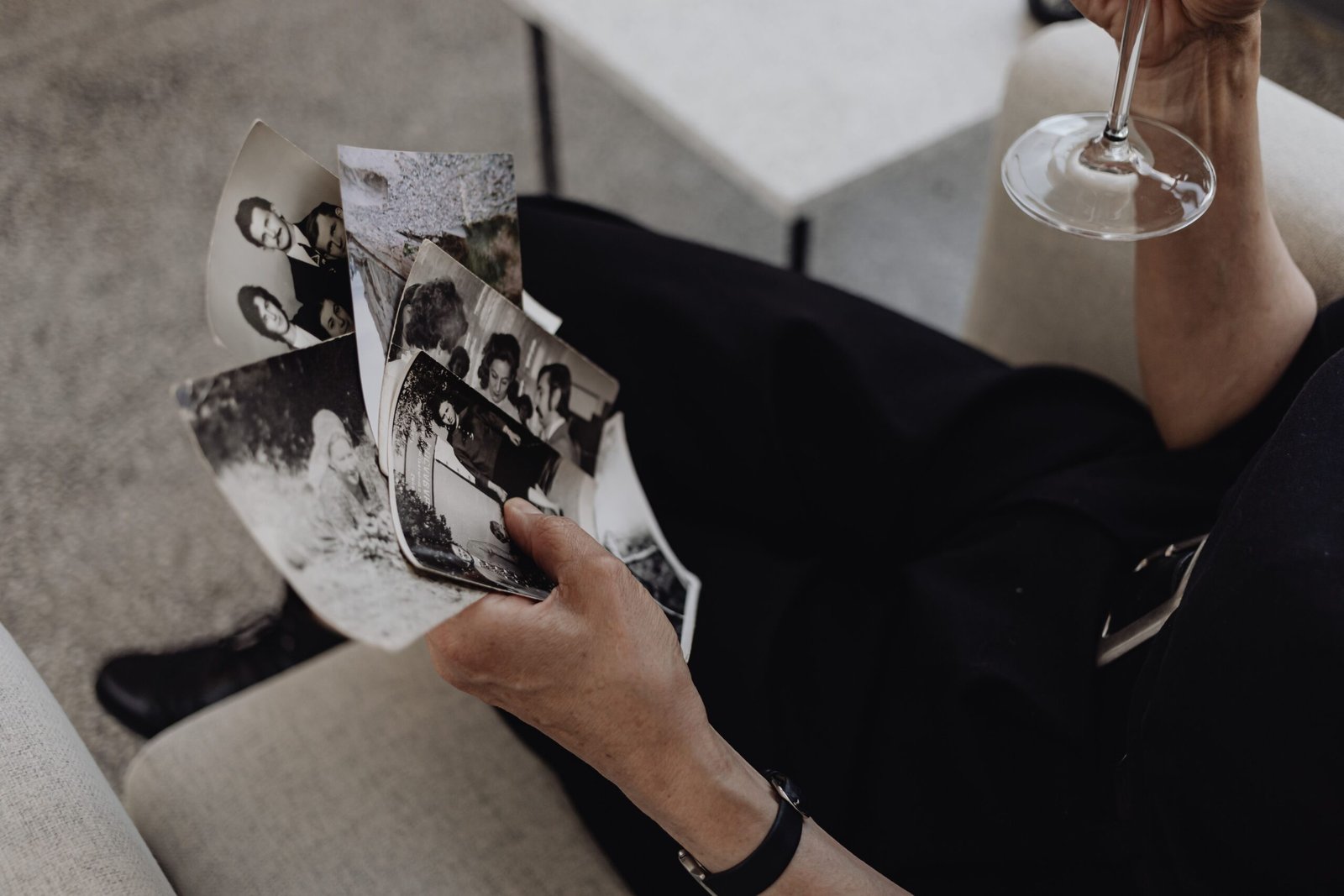
In the glittering world of French luxury dynasties, where names like Gucci, Balenciaga, and Saint Laurent command global attention, there exists a woman who chose a radically different path than the one typically associated with such power. While the world knows François-Henri Pinault as the billionaire CEO of Kering and the husband of Hollywood star Salma Hayek, a lesser-known but equally compelling figure lies in the shadows of this empire’s early history. Dorothée Lepère, the first wife of one of France’s most powerful businessmen, represents a fascinating study in quiet dignity, professional independence, and the conscious choice to live outside the glare of public scrutiny. In an era dominated by social media exhibitionism and the relentless pursuit of fame, her deliberate retreat into anonymity makes her an increasingly rare and intriguing subject .
Dorothée Lepère was born on March 10, 1965, in Paris, France, into a world rich with artistic heritage and architectural splendor that would profoundly shape her professional destiny . Growing up in the heart of a city universally recognized as the global epicenter of taste, fashion, and design, she developed an early appreciation for aesthetics, proportion, and the transformative power of beautiful spaces. This cultural immersion, surrounded by historic monuments, art galleries, and the effortless elegance of Parisian living, laid the groundwork for what would eventually become her lifelong calling in interior design. Before fully committing to the world of spatial aesthetics, Lepère experienced a brief chapter in the competitive French modeling industry, a period that gave her unique insights into fashion, textiles, and visual presentation, though she soon realized that the ephemeral nature of modeling did not satisfy her deeper creative ambitions . Instead, she pivoted toward formal training in interior architecture and design, building the foundation for a career that would later define her post-marriage identity.
The public fascination with Dorothée Lepère stems primarily from her marriage to François-Henri Pinault, which lasted from 1996 until their amicable divorce in 2004 . However, reducing her story to this single association does a profound disservice to the complexity of her journey. When she married Pinault in the mid-1990s, the family business had not yet achieved the astronomical global luxury dominance it commands today. The transformation of Pinault-Printemps-Redoute (PPR) into Kering, the rebranding and strategic pivoting toward high-end fashion houses, occurred largely after their union had ended . This timing is crucial to understanding Lepère’s story because it challenges the narrative that she was merely a beneficiary of established, overwhelming wealth and fame. She was present during the foundational years when the empire was still being built, when her husband was being groomed to eventually inherit his father’s vast business responsibilities, and when the family’s name was powerful but not yet synonymous with global luxury culture.
Throughout their eight years of marriage, Lepère deliberately chose to shield their domestic life from media intrusion while her husband climbed the executive ladder at PPR . She balanced her role as a mother and wife with maintaining her own personal and professional identity outside her husband’s corporate empire. During this period, they welcomed two children: a son, François Pinault Jr., born in 1998, and a daughter, Mathilde Pinault, born in 2001 . These two children, now adults navigating their own paths in the worlds of fashion, equestrian sports, and business, represent the enduring legacy of Lepère’s most significant work—raising grounded, accomplished individuals despite their extraordinary privilege. Her daughter Mathilde has become increasingly visible in recent years, carving out a successful career as an equestrian champion and fashion ambassador while maintaining the dignified presence that clearly reflects her mother’s influence .
The Private Life and Professional Journey of Dorothée Lepère
Early Years and Parisian Roots
Born and raised in the heart of Paris, Dorothée Lepère‘s early environment shaped her aesthetic sensibilities from childhood. Walking the historic streets of the French capital exposed her to a masterclass in classical French architecture, spatial harmony, and timeless elegance that would later inform her professional work . The city’s art galleries, museums, and design heritage provided an education that transcended formal schooling, teaching her to appreciate the relationship between light, proportion, and material choice in creating harmonious living spaces. Her family background remains intentionally private—a characteristic that has defined her entire approach to public life—but what is clear from her professional trajectory is that she grew up with an acute awareness of visual beauty and functional design .
Before establishing herself as an interior designer, Lepère experienced a brief foray into the French fashion industry as a model, a chapter that appears in multiple biographical sources and adds an interesting dimension to her creative development . This experience gave her direct exposure to the textile arts, fashion presentation, and the visual culture that would later inform her design work. However, the ephemeral nature of modeling did not align with her deeper creative ambitions, leading her to pivot decisively toward formal training in interior design . This early decision to prioritize substance over surface-level glamour would become a recurring theme in her life, foreshadowing her later choice to build a genuine professional career rather than capitalize on her high-profile marriage for personal gain.
Meeting François-Henri Pinault and Marriage
Dorothée Lepère’s path crossed with François-Henri Pinault in France during the 1990s, at a time when the young executive was already deeply involved in his family’s growing business empire but had not yet achieved the global fame and wealth he commands today . At that point, the Pinault family had built substantial wealth through retail and specialized trade, but the transformation of Pinault-Printemps-Redoute into the luxury powerhouse Kering—complete with ownership of Gucci, Saint Laurent, Balenciaga, and Bottega Veneta—had not yet been fully realized . The couple’s relationship developed away from public scrutiny, maintaining the privacy that would characterize their entire marriage.
In 1996, Dorothée Lepère and François-Henri Pinault were married in a modest and private ceremony that reflected their shared preference for discretion over media-driven hype . Throughout their marriage, Lepère maintained a quiet, down-to-earth existence, choosing not to participate in the public aspects of the fashion world even as her husband became increasingly connected to global luxury brands . Instead, she focused on creating a stable home environment and establishing her own private commitments and professional identity separate from the glamour and prestige that surrounded the Pinault name. During these eight years together, she balanced being a supportive partner to an ambitious executive with developing her own creative voice, never allowing her identity to be subsumed entirely by her husband’s growing prominence.
The 2004 Divorce: A Quiet Separation
After nearly a decade of marriage, Dorothée Lepère and François-Henri Pinault reached a crossroads in their relationship that led to the amicable finalization of their divorce in 2004 . Unlike many high-profile separations involving billionaire fortunes and powerful families, their split was handled with absolute dignity and zero public mudslinging—a testament to the character of both parties and their commitment to protecting their children’s emotional well-being. No public statements were issued, no tabloid war erupted, and no tell-all books were published . Lepère gave no interviews about what happened, made no public accusations, and simply moved forward with her life.
The timing of the divorce coincided with a massive turning point in the Pinault family hierarchy. In 2005, just a year after the split, the family patriarch officially handed over the complete management of the entire global empire to François-Henri, who then began the process of rebranding the company into Kering and transforming the group into a global luxury powerhouse . As her ex-husband stepped into the glaring light of global CEO status, attended red carpets, and ultimately married Hollywood actress Salma Hayek in 2009, Lepère gracefully exited the corporate family stage, ready to reclaim her individual identity, pursue her professional passions, and focus on raising her two children away from the media circus . This dignified silence and mutual respect have allowed the extended blended family to maintain a remarkably peaceful relationship behind closed doors.
Building an Independent Career
Founding Madame Dorothée Pinault
Stepping out of the shadow of a major luxury dynasty can be daunting, but Dorothée Lepère viewed her post-divorce life as an opportunity for creative rebirth and professional independence. In 2007, three years after her marriage ended, she took a significant step in her professional journey by formally establishing her own interior design and luxury home decor boutique in Paris, registered under the corporate entity “Madame Dorothée Pinault” . This venture represented the full expression of her creative vision and allowed her to channel her lifelong love for architecture, textiles, and spatial harmony into a thriving entrepreneurial pursuit. The name itself—using “Pinault” rather than “Lepère”—demonstrates a pragmatic approach to business, suggesting that she recognized the value of the name’s recognition while simultaneously building something independently valuable.
Her professional design philosophy centers on a harmonious blend of classic French heritage and clean, modern functionality . Within elite Parisian circles, she has become known for utilizing organic materials, neutral palettes, and handcrafted furniture to create living spaces that feel deeply warm yet unmistakably luxurious. Her approach emphasizes livability and emotional comfort, ensuring that every space feels both beautiful and realistic for the daily lives of her clients. Rather than following fleeting trends, Lepère’s work reflects a commitment to timeless elegance and authentic quality—values that mirror her personal approach to life. She has built her business through word-of-mouth referrals and consistent client satisfaction, proving that true luxury whispers rather than shouts .
True to her personal ethos, Lepère has never used the Pinault family’s connections as a marketing tool or attempted to leverage her former marriage for business leverage . Her clients are private, her projects span luxury residential spaces and boutique commercial interiors, and her reputation has been built entirely on the quality of her work rather than any association with celebrity or wealth. This deliberate approach to professional development reflects a woman who values substance over superficiality, integrity over expedience, and genuine creative expression over easy recognition. Unlike many entrepreneurs who aggressively seek publicity and social media visibility, she has relied on the quiet power of excellent work to sustain her business for nearly two decades, demonstrating that true professional success does not require constant public attention.
Design Philosophy and Professional Reputation
Dorothée Lepère‘s design style reflects her Parisian roots and her deep appreciation for classical French aesthetics, but it also incorporates contemporary functionality and sensitivity to modern living needs. She favors organic fabrics like linen, cotton, and silk over synthetic materials, emphasizing texture and comfort alongside visual appeal . Her color palettes tend toward neutrality, allowing architectural details, furniture craftsmanship, and natural light to take center stage in her interiors. Each project she undertakes is handled with careful attention to the client’s lifestyle, preferences, and the unique characteristics of the space itself, resulting in customized solutions that feel personal and authentic rather than formulaic or trend-driven.
Within the competitive world of luxury interior design, where personal branding and public visibility often play significant roles in professional success, Lepère’s approach stands out as almost defiantly private. She maintains no professional website showcasing her portfolio, no social media presence promoting her work, and no public advertising campaigns . Instead, her business has grown through the network of wealthy, discerning clients who appreciate discretion and value substance over self-promotion. This approach has not only sustained her business but has also allowed her to maintain the privacy and peace that she clearly values above public recognition. In an industry increasingly dominated by Instagram-friendly aesthetics and constant visibility, her success proves that there remains significant demand for quiet, thoughtful, and deeply personalized design work.
Philanthropy and Charitable Engagement
Beyond her professional work, Dorothée Lepère has maintained a connection to philanthropy, specifically supporting the Kering Foundation, which focuses on combating violence against women globally . Her support for this cause, connected to her ex-husband’s company, demonstrates a continued engagement with meaningful social issues while maintaining her characteristic discretion. She does not announce her philanthropic involvement, hold press events around her charitable work, or seek public recognition for her contributions. This pattern of doing meaningful work without seeking applause runs through every part of the Dorothée Lepère biography, reflecting a woman whose values are rooted in action rather than recognition .
Family and the Next Generation
Raising the Pinault Heirs
Perhaps the most significant and enduring contribution of Dorothée Lepère’s life has been her role as a mother to François Pinault Jr. and Mathilde Pinault. Following her divorce, she focused intensely on ensuring her children grew up with a sense of normalcy, balance, and emotional security, despite the extraordinary privilege attached to their family name . She made a conscious effort to keep them away from media attention, providing them with a stable and protected environment away from the pressures of their father’s growing public profile. This hands-on approach to parenting, guided by principles of humility, emotional resilience, and authentic values, has produced two young adults who have navigated their privileged positions with remarkable grace.
Today, the fruits of her dedicated parenting are visible in her adult children, each of whom has pursued their own path with characteristic discretion and accomplishment. François Pinault Jr. has largely followed the family’s discreet tradition, staying out of the public eye and working in professional capacities at companies including Google and Christie’s without seeking attention . His commitment to privacy mirrors his mother’s values, suggesting that the lessons of discretion and substance over spectacle were deeply instilled during his upbringing. Mathilde Pinault, born in 2001, has stepped into the public eye to a greater degree, building a successful career as an equestrian champion and a fashion personality . She represents French sportswear brand Dada Sport and competes in international horse riding competitions, including the Longines Global Champions Tour, with Olympic aspirations .
Mathilde Pinault: Carrying the Legacy
Mathilde Pinault’s emergence as a public figure in French fashion and equestrian sports has inevitably drawn fresh attention to her mother’s biography. Her professional achievements—balancing competitive athletics with a modeling career and now a role at Boucheron as a VIP and Celebrities Coordinator—demonstrate the same commitment to discipline, elegance, and authenticity that characterized her mother’s approach to life . Mathilde has been photographed alongside her stepmother Salma Hayek and her half-sister Valentina Paloma Pinault at fashion events, and by most accounts, the blended family maintains a peaceful and respectful relationship . This remarkable dynamic, in which children navigate relationships with a stepmother who is one of Hollywood’s most famous actresses while maintaining a close, grounded bond with their own mother, speaks volumes about the intentional parenting and emotional maturity cultivated by Dorothée Lepère.
Mathilde frequently credits her balanced perspective on life to the upbringing provided by her mother, who taught her to value authentic relationships and personal passion over superficial societal attention . She has spoken of her mother as a huge inspiration, praising her work ethic and how she balances career and family . This public acknowledgment of her mother’s influence provides a rare window into the relationship between Dorothée Lepère and her children, confirming that despite her extreme privacy, she has been a deeply present and influential force in their lives. For a woman who has deliberately stepped away from public attention, watching her daughter build her own identity through discipline, style, and public work must be profoundly meaningful—the fulfillment of a mother’s quiet dream to help her children grow strong enough to stand in their own light.
The Blended Family Dynamic
One of the most noteworthy aspects of Dorothée Lepère‘s post-divorce life is her apparently peaceful relationship with the extended family, including her ex-husband’s second wife, Salma Hayek. Multiple sources confirm that Lepère maintains a respectful co-parenting relationship and has never used her former connection to the Pinault family for press attention or business leverage . The fact that Mathilde Pinault has been photographed warmly with Hayek at fashion events suggests a functioning blended family dynamic, with children moving comfortably between the public world of their father and stepmother and the private sanctuary of their mother’s Parisian home .
This respectful coexistence between two very different women—one who has chosen a life of complete privacy and another who navigates global celebrity with undeniable charm—represents a mature and emotionally intelligent approach to family life in the public eye. Lepère’s choice not to speak negatively about her ex-husband’s new life, nor to seek any share of the Hollywood glamour now attached to her children’s father, has allowed the entire extended family to maintain remarkably peaceful relationships behind closed doors . Her restraint, in the world of high-profile divorces and billionaire families, is genuinely rare and speaks to values that transcend the typical dynamics of wealth and celebrity.
The Contrast with Salma Hayek and Public Life
Two Women, Two Different Worlds
The stark contrast between the lives of Dorothée Lepère and her ex-husband’s current wife, Hollywood superstar Salma Hayek, is a frequent subject of public curiosity. After the divorce, François-Henri Pinault’s romantic life became a major focus of international entertainment media, culminating in his star-studded 2009 Valentine’s Day marriage to Hayek . Suddenly, the Pinault name became synonymous with Oscar red carpets, star-studded galas, and global paparazzi frenzies. Hayek, with her established acting career, her $200 million net worth, and her undeniable charisma, brought an entirely new dimension of public visibility to the Pinault family .
While Hayek handles the intense global spotlight with undeniable charm and professional expertise, Lepère has maintained a beautiful parallel universe of total privacy. She has never spoken to the press about her ex-husband’s new life, nor has she sought any share of the Hollywood glamour now attached to her children’s father . This dignified silence and mutual respect have allowed the extended family to maintain a remarkably peaceful relationship behind closed doors. The contrast between these two women—one comfortable in the spotlight, the other resolutely private—could have created tension or public drama, but instead, it has resulted in a functional, respectful dynamic that serves the children and the entire extended family well.
The Choice of Privacy in a Public World
In an era when social media presence is nearly mandatory for public figures, and when personal branding has become a professional necessity, Dorothée Lepère’s complete absence from digital platforms stands out as unusual and intentional. She maintains no public accounts on Instagram, Facebook, Twitter, or any other social media platform, despite being a business owner in the luxury design space where online visibility is often considered essential for success . This is not an oversight or a generational disconnect—it is a deliberate choice to protect her personal life from public exposure and maintain control over her own narrative.
Her absence from social media also means that she controls her own story entirely. There are no paparazzi shots, no lifestyle posts, no brand collaborations, no carefully curated public image. She exists outside the attention economy entirely, refusing to participate in the digital spectacle that dominates modern life. In 2026, this is genuinely unusual for any professional, let alone one connected to one of the world’s most powerful families . Her silence around all of this is a deliberate philosophical choice that says more about her values than any interview could. She prefers to let her work speak for itself and to maintain a life that belongs entirely to her, free from the demands of public performance or digital validation.
Current Life and Legacy
Where Is Dorothée Lepère Today?
Living and working in her beloved hometown of Paris, Dorothée Lepère continues to lead a fulfilling, deeply private life well into her sixties. Her interior design firm remains a respected entity within niche French architectural circles, allowing her to interact daily with artists, craftsmen, and creators who value substance over social media clout . She remains completely absent from public social media networks, guarding her personal peace fiercely. Her primary joy continues to be her role as a mother, maintaining an incredibly close, supportive bond with both François Jr. and Mathilde . She frequently hosts her children in her beautifully curated Parisian home, providing them with a steady emotional anchor away from the hectic pace of the global fashion industry.
Estimates of Dorothée Lepère‘s net worth vary across sources, ranging from approximately $6 million to $25 million, with most recent estimates settling around $20 million . This wealth has been earned primarily through her interior design business and independent professional work, not from a divorce settlement connected to her ex-husband’s billions. She has built her own fortune over nearly two decades of entrepreneurial work, demonstrating financial independence and professional capability that stand entirely separate from the Pinault empire . Her wealth is sufficient for a comfortable, independent life in Paris, but it represents a modest fraction of the billions associated with the Pinault family—a distinction that likely suits her perfectly given her values and lifestyle choices.
Lessons from a Life of Quiet Dignity
Dorothée Lepère‘s story offers compelling lessons in an age of relentless self-promotion and digital exhibitionism. She demonstrates that proximity to immense wealth and power does not require surrendering one’s identity or values. She shows that a fulfilling, successful professional life can be built without using a famous connection as a marketing tool or seeking public recognition. Most importantly, she proves that privacy, discretion, and intentional living are not signs of weakness or irrelevance but rather expressions of strength, self-knowledge, and authentic values.
Her life also offers a powerful model of how to navigate high-profile divorce and blended family dynamics with grace and dignity. By refusing to engage in public drama, by protecting her children’s privacy, and by maintaining respectful relationships with her extended family, she has created a functioning, peaceful environment for everyone involved. This is not accidental—it reflects consistent choices made over decades, guided by principles that prioritize emotional well-being, personal integrity, and authentic relationships over public perception or personal advantage.
In the final analysis, Dorothée Lepère‘s story is not ultimately about her connection to a billionaire or her place in a famous family. It is about a woman who, when faced with the choice between public visibility and private contentment, chose the latter with unwavering consistency. She built a career she could be proud of, raised children who reflect her values, and maintained her dignity in circumstances that would have tempted many to seek revenge, attention, or advantage. In a world obsessed with fame, wealth, and visibility, her quiet commitment to privacy, independence, and authentic achievement offers a refreshing alternative—proof that a meaningful life can be lived away from the spotlight, and that true success is measured not in public attention but in the quality of one’s work, relationships, and values.
Frequently Asked Questions
Who is Dorothée Lepère?
Dorothée Lepère is a French interior designer and entrepreneur born in Paris on March 10, 1965. She is best known publicly as the first wife of François-Henri Pinault, the billionaire CEO of Kering, to whom she was married from 1996 to 2004. She founded her own interior design company, Madame Dorothée Pinault, in 2007 and has lived a deliberately private life in Paris ever since .
What does Dorothée Lepère do for work?
Dorothée Lepère runs her own interior design and luxury home decor business in Paris, operating under the corporate name Madame Dorothée Pinault. Her firm works on luxury residential projects and boutique commercial interiors, specializing in spaces that blend classical French elegance with contemporary functionality. She has built her reputation through word-of-mouth referrals rather than public advertising or social media promotion .
How many children does Dorothée Lepère have?
Dorothée Lepère has two children with her ex-husband François-Henri Pinault: a son, François Pinault Jr., born in 1998, and a daughter, Mathilde Pinault, born in 2001. Both children have grown into accomplished adults, with François maintaining a private profile and Mathilde pursuing careers in fashion and equestrian sports .
What is Dorothée Lepère’s net worth?
Estimates of Dorothée Lepère‘s net worth vary, with most recent figures placing it between $20 million and $25 million. This wealth has been earned primarily through her interior design business and professional work, not from a divorce settlement. Her financial independence reflects nearly two decades of successful entrepreneurial activity in the luxury design sector .
Does Dorothée Lepère have social media?
No, Dorothée Lepère maintains no public social media accounts on any platform. She has deliberately chosen to keep her personal and professional life completely absent from Instagram, Facebook, Twitter, and other digital platforms. This absence is a conscious philosophical choice that reflects her commitment to privacy and her preference for substance over public visibility .
Why did Dorothée Lepère and François-Henri Pinault divorce?
Dorothée Lepère and François-Henri Pinault divorced in 2004 after eight years of marriage. The separation was handled privately and amicably, with no public statements, tabloid battles, or public acrimony. Both parties prioritized the emotional well-being of their young children and maintained a respectful co-parenting relationship following the divorce .
Is Dorothée Lepère close to her children?
Yes, Dorothée Lepère maintains an incredibly close, supportive bond with both of her children, François Jr. and Mathilde. She frequently hosts them in her Parisian home and has been described as a grounding influence in their lives. Her daughter Mathilde has publicly praised her mother’s work ethic and how she balanced career and family .

Takashi Morinozuka: Biography, Personality, Skills, and Role in Ouran High School Host Club

Yamaha TW200 Review: Specs, Performance, Pros and Cons, and Buying Guide

How to Adjust Door Hinges: A Complete Step-by-Step Guide

Charlie Rogers-Ciaffa: The Quiet Rise of a Hollywood Legacy Who Chose His Own Diamond

The Entrepreneur’s Operating System: Why Charfen.co.uk is Redefining Business Growth for UK Founders

Droven.io: The AI Knowledge Hub Reshaping How Professionals Understand Technology in 2026
 Entertainment3 months ago
Charlie Rogers-Ciaffa: The Quiet Rise of a Hollywood Legacy Who Chose His Own Diamond
- Tech3 months ago
The Entrepreneur’s Operating System: Why Charfen.co.uk is Redefining Business Growth for UK Founders
- Tech3 months ago
Droven.io: The AI Knowledge Hub Reshaping How Professionals Understand Technology in 2026
- Fashion2 months ago
The Ultimate Guide to Brick Patterns: Timeless Designs for Walkways, Patios, and Walls
- Tech3 months ago
Readmymanga com: The Comprehensive Guide to Features, Safety, and Legal Alternatives in 2026
- Fashion3 months ago
The Blazertje: Your Ultimate Guide to the Modern “Little Blazer” Taking Over Fashion
- Lifestyle3 months ago
Otelia Cox: The Quiet Strength Behind Hollywood’s Tony Cox
- Tech3 months ago
Voomixi com: The Ultimate Guide to This Digital Platform (Review, Features & User Experience)